
What Happens When a Tiny Tree Meets an NFC Story Player?
A tiny tree walks up to an NFC story player, a child sets it down, and the room fills with a voice. That single gesture - no screen to unlock, no menu to scroll, no "Mom, where's the Wi-Fi password?" - is the whole product, and it is why this quiet format keeps outlasting far more complicated toys on the shelf.
1. The moment a character meets the player
Picture the tiny tree again. The child places the figure on the player, the reader recognizes a small NFC tag embedded in the base, and a specific audio file begins to play. There is no pairing, no loading screen, no account. The "magic" is not a trick; it is a deliberate design decision to make the first interaction the only interaction. A two-year-old who cannot read a word can still choose the tree, hear its story, and do it again ten minutes later without calling a grown-up.
This is the detail most product photos miss. The value is not the voice coming out of the speaker; it is the child's confidence that the object will always respond to the same simple action. A character that rewards a child's own hand is worth more than a gadget that rewards a parent's setup.

One gesture, no instructions
The photo above shows the moment the format lives for: a single, confident tap, no screen in sight. That is the bar every character on the platform has to clear, because if the child needs help the first time, the spell is already broken.
2. No screen, no menu, no Wi-Fi password
The three negatives in that line are not a slogan; they are the three things that quietly break a bedtime moment. A screen asks for attention the room does not have. A menu asks for a skill the child has not learned. A Wi-Fi password asks for a parent who is already tired. Remove all three and what remains is an object a child can own entirely on their own terms, from the first night.
Because playback is local and offline, the player does not negotiate with a router, a login, or an app store. The story is already inside. For a parent, that means the bedtime routine starts with a character, not with tech support - and for a brand, it means the product works the same on a shelf in Lisbon, Seoul, or a small bookstore in Ohio, with no dependency on local connectivity. A single SKU therefore travels across markets without a connectivity variant, which keeps warehouse logic simple for importers who sell in more than one region.
3. How the tap works, and why a child can do it alone
Under the shell, the player reads a high-frequency NFC tag at around 13.56 MHz. The short, deliberate read range is the point: a child taps one specific character, not three from across the room, and the reader is far less likely to trigger the wrong story. That short range is also why the format suits small, optimistic, slightly clumsy hands better than a long-range radio ever could.
The part worth stressing to any buyer is reliability under real use. A reader that tolerates a sloppy tap, gives a gentle chirp on a miss, and never falls silent trains independence instead of frustration. A child who can operate the toy alone at age two is a child who still reaches for it at age five - and that is the difference between a one-season novelty and a permanent fixture in the bedroom.
4. Bedtime becomes a hands-on adventure
When the tiny tree begins to speak, the child is not a passenger watching a rectangle glow. They are the one who chose the tree, placed it, and started the world. That small ownership turns a passive wind-down into a hands-on adventure the child directs. They repeat it, swap characters, and build a routine they actually look forward to, which is the hardest thing to manufacture in the sleep-aid category.
The bedtime angle matters for buyers because the evening window is where parents spend the most and forgive the least. A product that makes the last twenty minutes of the day calmer, rather than another small negotiation, earns its place on the nightstand and its place on the re-order list.
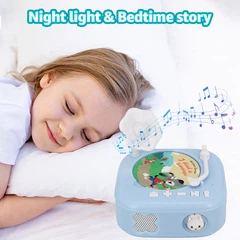
A routine the child runs
The scene above is the format's quiet promise: the child, the character, and the dark room - no glow, no scroll, no waiting. That is the bedtime the player is built for, and it is why the category keeps finding new homes in nurseries rather than playrooms.

5. One player, a growing world of characters
The player is a doorway; the characters are the world behind it. Today the tiny tree, tomorrow an owl, next month a moon - each figure is a new title, a new voice, and a new reason for the same device to matter again. A story player shipped with a single character is a toy; a platform where the character lineup keeps growing is a business with a recurring heartbeat.
For a brand or retailer, this is the structural advantage of the format. The hardware is a one-time purchase, but the character library is a release calendar. Holidays, languages, licenses, and in-house titles all become new taps on the same reader, which means the shelf presence compounds instead of going stale after the first unboxing. Buyers who merchandise by character rather than by device often find the lineup carries itself once the first hero figure proves the format.

Each character is a new chapter
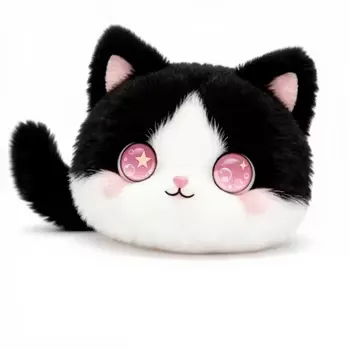
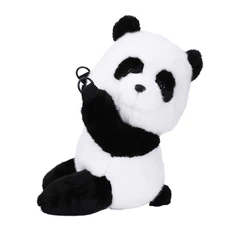
The row above is what a healthy lineup looks like: distinct, recognizable figures that share one player. Every addition is another reason for the family to come back, and another SKU for the buyer to merchandise without buying a new device.
6. Simple for children - built for the smallest hands
Simplicity is an engineering spec, not a marketing word. For the child, it means a chunky token they can grab, a tap target big enough to find in dim light, and audio that answers immediately. It means no failure that looks like "broken" - a missed tap should invite another try, never silence. It also means the figure survives the floor, the bath-adjacent drop, and the occasional chew, because the youngest users test products in ways no lab predicts.
The characters should also be recognizable at arm's length across a whole lineup, so a child can tell the tree from the owl without reading a label. Recognition is what lets the format sell itself on a shelf, where no one is there to explain it.
Recognizable at a glance
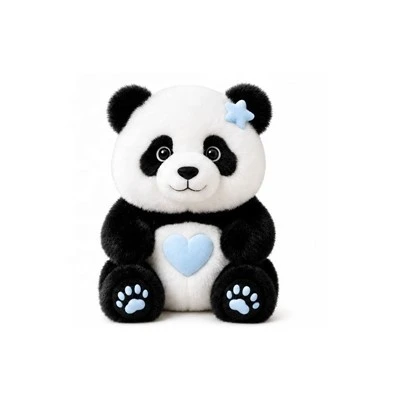
The token above is built for the hand that holds it, not the box that ships it. Clear silhouette, safe materials, and a tap that works the first time are the three things a buyer should verify before the character ever reaches a child.

7. Peaceful for parents - the Wi-Fi battle disappears
The third point of the triangle is the one parents feel first. There is no device to negotiate with at the end of a long day, no algorithm deciding what comes next, and no autoplay pulling the child past the moment you both agreed on. The content is curated and offline, so the player does exactly what it was filled with and nothing it wasn't. For a parent, that predictability is the product.
Safety backs up the calm. Output is designed to stay near the child-safe ceiling around 85 dB, the short NFC range keeps accidental reads low, and there is no camera, no microphone stream, and no data leaving the room. The parent controls what goes onto the player; the child controls when to play it. That division of labor is why the format earns trust in markets where screen-time guilt is highest.
8. Flexible for brands - your character, our player
This is the question the post ends on, and it is the most useful one for a buyer: what story would your character tell? The format turns any brand's mascot, picture-book hero, author voice, or educator persona into a physical NFC token plus an audio identity on a shared player platform. You bring the character and the content; the platform supplies the reader, the manufacturing, and the offline playback engine. No app to build, no firmware to maintain, no connectivity to support.
For an OEM or private-label partner, that means a low-friction entry into a proven category. The player already exists and already works; your differentiation lives in the character and the story, which is exactly where a brand's equity actually sits. And because the masters and the card-authoring tool are yours to keep, the character library you build becomes a portable asset, not a lock-in. A toy company, a publisher, a museum, or a children's app can each launch a hero character on the same hardware without rebuilding the wheel.

A platform, not a one-off
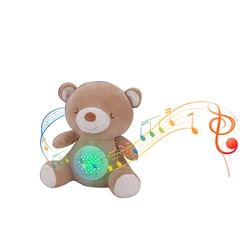
The view above shows a brand character sitting on a private-label player. That is the co-creation model in one image: your IP on proven hardware, with the content pipeline owned by you and the manufacturing handled for you.
9. What makes a character work on the player
A character is a product in its own right, and a few choices decide whether it earns the tap. Shape and size should suit the youngest target age, with no small detachable parts that fail a toddler test. The NFC tag needs enough placement tolerance that the child's hand, not a robot's, lands the read. The figure should survive drops and the occasional mouth, and it should stay recognizable next to its siblings so a lineup reads clearly from a shelf.
Art direction matters more than brands expect. A face that reads at arm's length, a color that survives bad retail lighting, and a silhouette distinct from the next character are what let the lineup sell without explanation. The best characters are the ones a child points at before a parent finishes reading the box. It is worth mocking up the full lineup on one shelf before tooling, because the characters have to earn their place next to each other, not just on their own.
10. The library is the growing asset
Stories are only the beginning. The same character can carry lullabies, early-language practice, science facts, or a holiday special, and a single voice can be recorded in many languages so the tiny tree sounds like home wherever it ships. That is the quiet compounding advantage: each new title is both a new sale and a reason the old characters stay relevant, and the library only gets richer with every release.
Protecting that library is part of the design. Signed or encrypted tags keep casual copying off your shelf, and an authoring tool you control lets you release new characters without asking permission for every card. A content business lives or dies by who owns the pipeline, and on this platform the pipeline is yours.
A shelf that keeps growing
The library above is the asset that outlasts any single shipment. Titles, languages, and seasons all become new taps on the same reader, which is why buyers should evaluate the release roadmap, not just the launch character.

11. How a brand pilots a character
You do not need a full catalog to start. The sensible entry is one hero character - the tiny tree - on a pilot run of a few hundred units, enough to test the retail or gifting moment and the content mood before you commit to tooling or a container. The character-focused questions to put in the brief are narrower than a full buying checklist: token shape and NFC placement, who records and owns the audio masters, the language plan, the MOQ split between existing and new tooling, and how new titles get authored later. A small, well-specified pilot lets both sides learn cheaply and surfaces content or art issues before they are expensive.
The pilot also de-risks the lineup. If the hero character lands, every later figure rides the same proven player and the same manufacturing line, so expansion is a content decision, not an engineering one. That is the whole appeal of building a character world on a platform someone already finished.
12. Frequently asked questions
Does the player need Wi-Fi or an app? No. Playback is local and offline; any app is only an adult companion for managing content, never required for the child to listen.
Can any brand put its own character on the player? Yes. That is the co-creation model: you supply the character and the audio, and the platform supplies the reader, the manufacturing, and the offline playback.
Is it safe for toddlers? It meets the same toy safety standards as any electronic toy, uses a short NFC read range, holds output near the 85 dB child-safe ceiling, and has no screen, camera, or data stream.
Who owns the character audio? You do. The masters and the card-authoring tool are yours to keep and grow, so the library is a portable asset rather than a lock-in.
How many characters can one player use? As many as your library releases. The reader recognizes each token and maps it to its own audio, so the same device supports an expanding world.
What is a good first order? A pilot of a few hundred units built around one hero character, then expand the lineup once the content mood is validated.