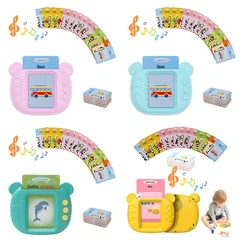
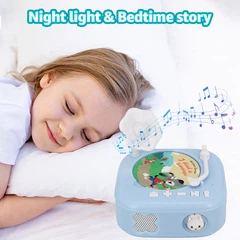
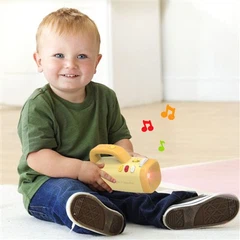

The AI Toy Under the Tree That Keeps Giving: A Christmas 2026 Guide
The tree is up, the lists are longer than the evenings, and the same question returns every December: what actually earns a place under it? A regular toy peaks on the morning of the twenty-fifth and fades by February. An AI toy is different, because the thing a child bonds with is not a function list but a character - one that talks, listens, learns a little, and keeps receiving new stories and lessons long after the wrapping is gone. That is the gift worth giving this Christmas.
1. The tree is up - so is the gift question
Every holiday season pushes parents and buyers toward the same tension: spend on a toy that photographs well for one morning, or invest in something that survives the long, quiet months after the decorations come down. The second option is harder to find than it sounds, because most toys are designed to be opened, admired, and then quietly outgrown. AI toys are built on the opposite logic. The hardware is a doorway, and the character living inside it is the reason a child comes back on a random Tuesday in March.
This is also why the category suits Christmas so well. The holidays are a moment of gifting and emotion, not specification sheets. A toy that arrives as a personality - a bear, a panda, a dinosaur, a cat - fits the morning perfectly and then keeps the relationship going when the calendar turns. That durability is precisely what makes the category worth a buyer's attention during the busiest retail window of the year, because the gift that survives January is the gift that gets reordered the following November.

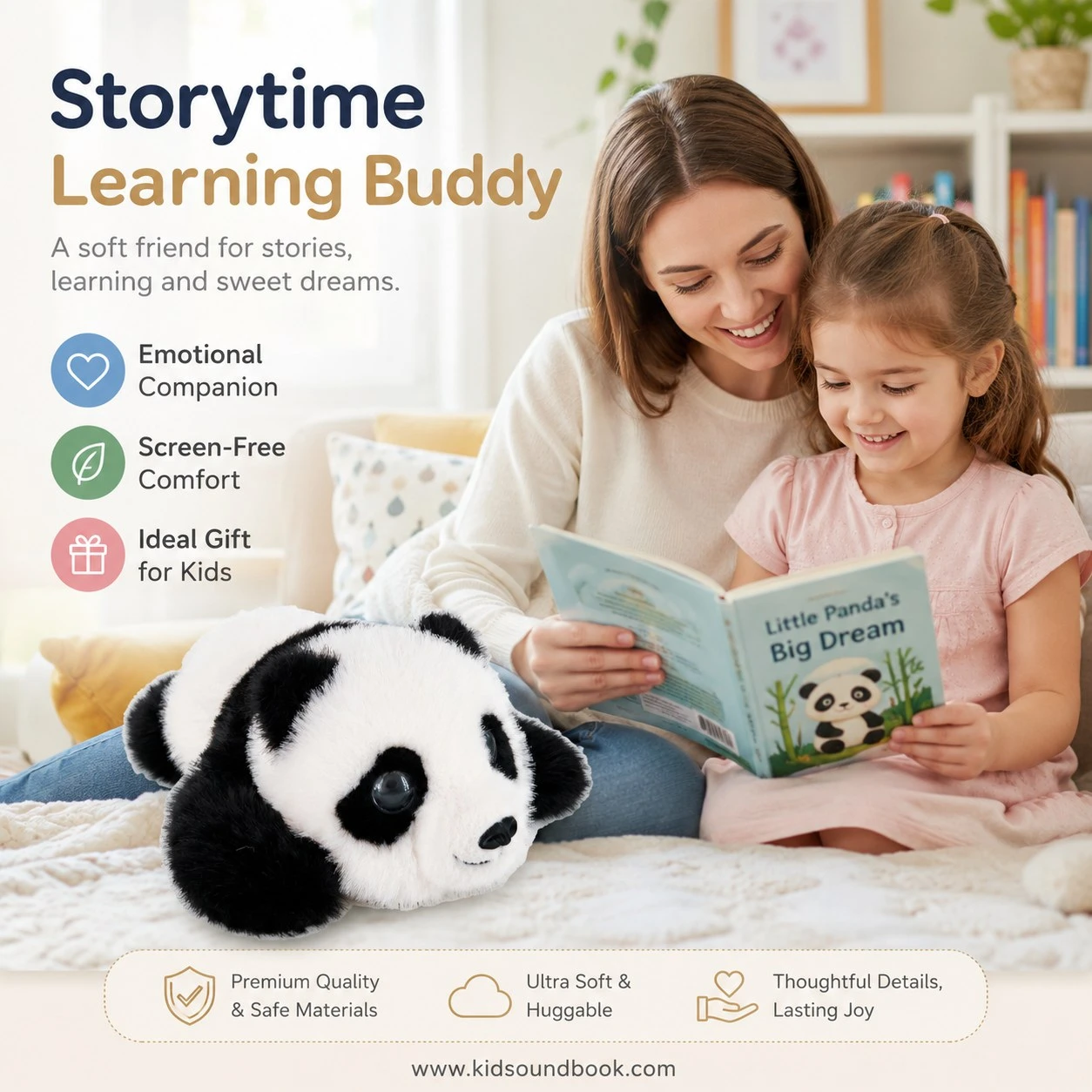
More than a one-morning toy
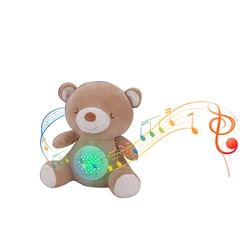
The scene above is the promise: a character waiting under the tree that still matters in March. The photo is the easy part; the year-round bond is the product.
2. Why an AI toy is the gift that keeps giving
The phrase "keeps giving" is not a slogan here; it is a structural fact about how these toys are made. A child forms an attachment to a character, and that character keeps receiving new content - fresh stories, seasonal songs, language practice, gentle reminders - delivered through updates rather than a second purchase. The toy a family unwraps in December is not the same toy they own in spring, because the inside has grown while the shell stayed comforting and familiar.
Contrast that with a conventional electronic toy, where the content is fixed at the factory and the novelty expires with the battery cover. An AI toy's value compounds: every update is another reason to reach for it, and every return visit deepens the bond. For a buyer, that means fewer returns marked "lost interest" and more reorder conversations about the next character in the lineup.
3. The screen-free calm parents want in December
December is already loud. The last thing most parents want is another glowing rectangle competing for a child's attention during the one season meant for presence, not pixels. A character AI toy is screen-free by design: the child talks and the toy answers, the imagination supplies the pictures. There is no algorithm deciding what comes next and no autoplay pulling the evening past the moment everyone agreed on.
For a gift-giver, that calm is the quiet advantage. The toy fits a bedtime routine, a car ride to a relative's house, or a quiet corner at a busy gathering without turning the room into a small cinema. It is the rare present that lowers the volume of the holiday rather than raising it, which is exactly why it earns a permanent spot instead of a closet. In a season built around togetherness, a toy that invites a child to talk rather than to watch also gives the adults in the room a rare thing: a few uninterrupted minutes, because the character is holding the conversation, not the screen.
4. A character that talks back - and remembers
What separates an AI toy from a talking plush is the conversation. The child asks, the character answers in its own voice, and the eyes - often a set of soft, expressive LEDs - shift to match the mood. A dinosaur can explain why it roars, a panda can comfort a bad dream, a cat can tease and then apologize. The personality is the product, and personality is something a child returns to the way they return to a friend.
The memory matters too, but it has to be the right kind. The best designs remember a child's name, a favorite story, and a few preferences, while refusing to build a profile or store raw recordings. That balance - personal enough to feel known, private enough to trust - is what lets a gift stay in the family for years rather than weeks.
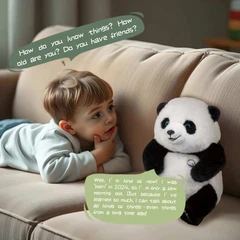
A friend that answers back
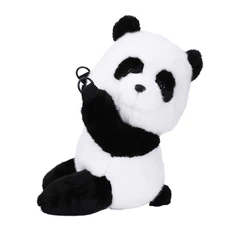
The character above is doing the one thing a ordinary plush cannot: holding a conversation in its own voice. That two-way bond is why the toy survives past the holiday and becomes part of the child's daily life.

5. New content long after the wrapping is gone
The quiet engine behind "keeps giving" is the content update. Because the character's stories, songs, and lessons can be refreshed, the toy stays current through seasons it was never built for: a winter lullaby in December, a New Year's routine in January, a spring science fact in March. Each drop is small, but together they keep the toy feeling alive when every other gift has gone quiet.
For brands and retailers, this is also the cheapest loyalty tool available. A character that receives new content does not need a repurchase to stay relevant; it needs a release. That turns a single Christmas sale into a relationship with a release calendar, which is the structural reason AI toys outperform one-and-done gadgets on the shelf year after year.

Updated, not replaced
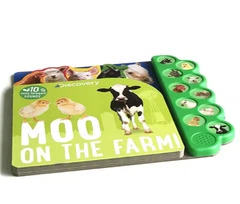
The view above represents the update that keeps the toy fresh: new stories and lessons arriving after the holidays, so the character the child met in December is still surprising them in spring.
6. Choosing by who's actually on your list
A good Christmas AI toy is chosen for the person, not the category. For a toddler, look for a chunky, huggable character with the simplest conversations and the softest edges. For a grade-schooler, a dinosaur or science-minded bear that answers curious questions becomes a study buddy disguised as a friend. For a grandchild far away, a character that speaks both the child's language and the grandparent's is a bridge across the video call. And for the parent doing the gifting, the win is a toy that calms the evening rather than extends the screen time they are trying to cut.
The mistake is buying the most features. Buy the most relationship. A character with a clear personality and a content plan will outlast a gadget with ten modes nobody opens, and the child will tell you which one they kept. For the genuinely hard-to-buy-for tween who has outgrown plush but not story, a character with jokes, facts, and a little attitude can land where another stuffed animal would not, because it meets them at the edge of childhood rather than behind it.
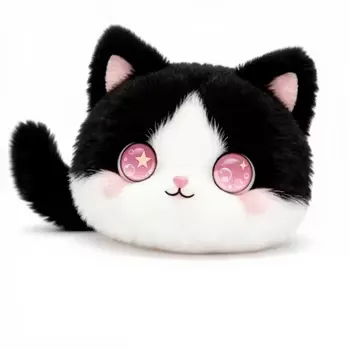
Match the character to the child
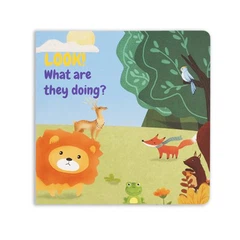
The shelf above is a reminder to shop by recipient: a comforting bear for the littlest, a curious dinosaur for the question-asker, a bilingual character for the mixed-language family. The right match is what makes the gift stick.
7. One toy, many languages, the whole family
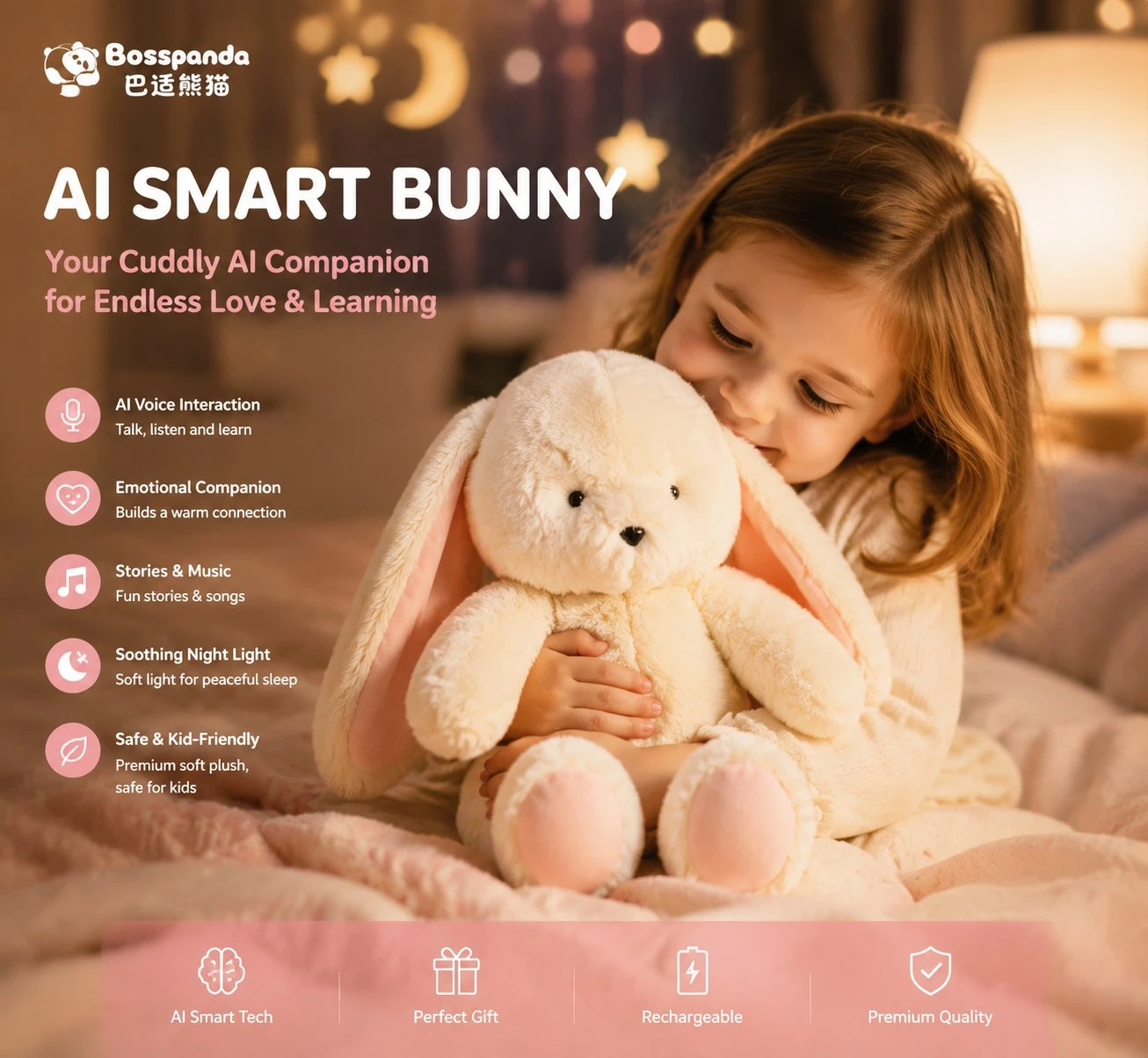
Holidays gather relatives who do not all share a language, and a toy that switches between them becomes a small unifier. Many character AI toys carry dozens of languages on the same device, so the same panda can read a bedtime story in English to a child and trade greetings in the grandparents' tongue during the visit. The character stays constant; only the voice changes, which is a neat trick for a present that has to please a whole table.
This is also a practical buying point. A multilingual character is a longer-lived gift in any mixed-language household, and for importers it opens markets a single-language toy cannot touch. The same SKU that sells in one country can speak to another without a redesign, which keeps inventory logic simple for anyone shipping across regions.
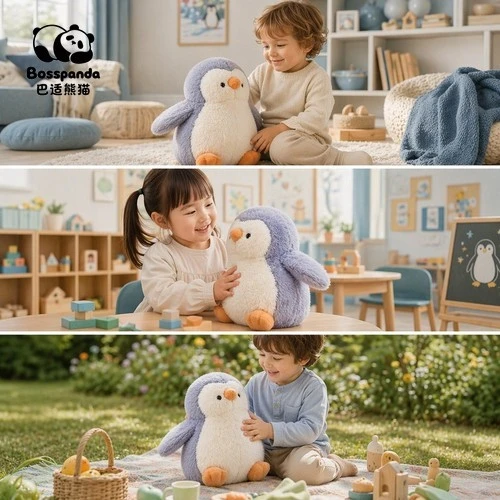
The same friend, every language
The scene above shows the multilingual advantage at its best: one character speaking to a whole family. For holiday gatherings and cross-border gifting, that flexibility is the difference between a local toy and a global one.
8. Safe by design, calm by default
A present for a child has to pass the trust test before it passes the fun one. The right AI toy holds output near the child-safe volume ceiling, avoids a camera and a constant data stream, and runs a kid mode that keeps the conversation gentle and on-topic. None of that should be a premium feature; it should be the default, because a gift that worries a parent does not stay in the home.
The calm-by-default principle also covers the content. Curated, offline-capable stories mean no surprise ad, no autoplay spiral, and no algorithm learning the child faster than the family does. A buyer can demonstrate these safeguards on the spot, and that demonstration is what converts a curious parent into a confident one. It also protects the brand, because a safe-by-default toy generates the kind of quiet, repeat purchases that a sensational but worrying one never earns once the first returns arrive.
9. Gift the personality, not the feature list
The easiest presents to wrap are the ones that need no explanation, and a character is exactly that. A child does not open a bear and ask about its processor; they ask its name. Gifting personality rather than specifications is why AI toys fit the holiday so naturally - they arrive as someone to meet, not something to configure, and they justify themselves on the shelf next to books and wooden toys rather than among gadgets.
For brands, this is the design brief that actually matters: build a character with a point of view, not a checklist of modes. A toy with a soul travels across markets and survives trends, while a toy with only features becomes this year's clearance by next December.
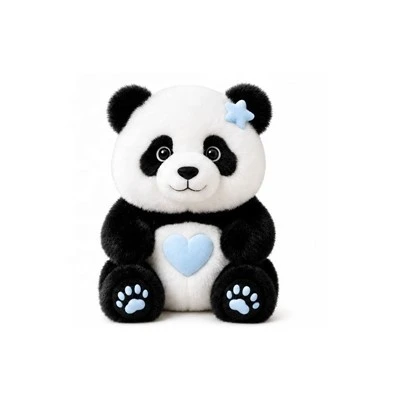
A present that explains itself
The wrapped character above needs no manual. Gift the personality and the box sells itself on a crowded holiday shelf, because children point at the friend they want before anyone reads the specs.

10. For shops: bundle, display, and pilot
Retailers get their own version of the same idea. A character AI toy merchandises beautifully at Christmas because it photographs as a friend, not a box, and it bundles naturally with a book, a plush accessory, or a seasonal outfit that needs no new tooling. The display logic is emotional: put the character at a child's eye level and let the personality do the selling. A small pilot run lets a shop test which character lands before committing to a full holiday order.
The pilot also de-risks the season. Stock the hero character first, watch what sells through December, then reorder the winners for the post-holiday lull when most competitors have already cleared their shelves. An AI toy's content updates make January a selling month, not a write-off. The same logic rewards the shop that treats the category as a year-round friend rather than a December spike, since a character with a release calendar gives staff something new to talk about every few weeks.
11. What to check before you wrap it
A short, gift-giver's check saves the awkward January return. Confirm the age grade matches the child, the languages you need are actually loaded, the battery is charged or replaceable for the morning, and the volume ceiling is demonstrably child-safe. Ask whether the character receives content updates, because that is the line between a gift that lasts and a gift that expires. And if you are buying for someone else's child, check that the toy runs without a mandatory app or account, so the present works the moment it is opened.
None of these are hard to verify, and all of them separate a keeps-giving AI toy from a forget-by-February gadget. The five minutes before wrapping are cheaper than the apology after.
12. Frequently asked questions
Why is an AI toy better than a regular one for Christmas? A regular toy peaks on the morning and fades; an AI character keeps receiving new content and stays relevant for months, so the gift outlasts the holiday.
Does it need a screen or an app to work? No. It is screen-free and conversational, and any companion app is for adults managing content, never required for the child to play.
Is it safe for young children? The right toy holds output near the 85 dB child-safe ceiling, avoids a camera and constant data stream, and runs a kid mode with gentle, on-topic conversation.
What does "keeps giving" actually mean? The character receives story, song, and lesson updates after purchase, so the toy a family opens in December is not the same toy they own in spring.
Can one toy work for a multilingual family? Many character AI toys carry dozens of languages on the same device, so the same character speaks to the whole table during holiday gatherings.
How should a shop stock these for the season? Pilot a hero character, merchandise at child's eye level, and reorder winners for January, when content updates keep the category selling.