
Why Fabric Choice Matters More Than You Think in Plush Toy Design
Plush toys aren't just stuffed fabric-they're daily companions for children. The outer material has to balance softness for comfort, durability for rough play, breathability to avoid sweat or irritation, and ease of cleaning because accidents happen. Safety certifications like OEKO-TEX or GOTS are non-negotiable for anything going near babies or toddlers.
Cost plays a big role too. High-end fabrics can push up the bill of materials, but they often justify the price with better perceived quality and longer lifespan. On the flip side, cheaper synthetics might pill or lose shape faster, leading to disappointed customers and returns. As a maker, I've learned that matching the fabric to the toy's purpose-whether it's a snuggly bedtime buddy or a rugged playmate-leads to happier kids and smoother production.
Minky Fabric: The Gold Standard for Ultra-Soft Plush Toys
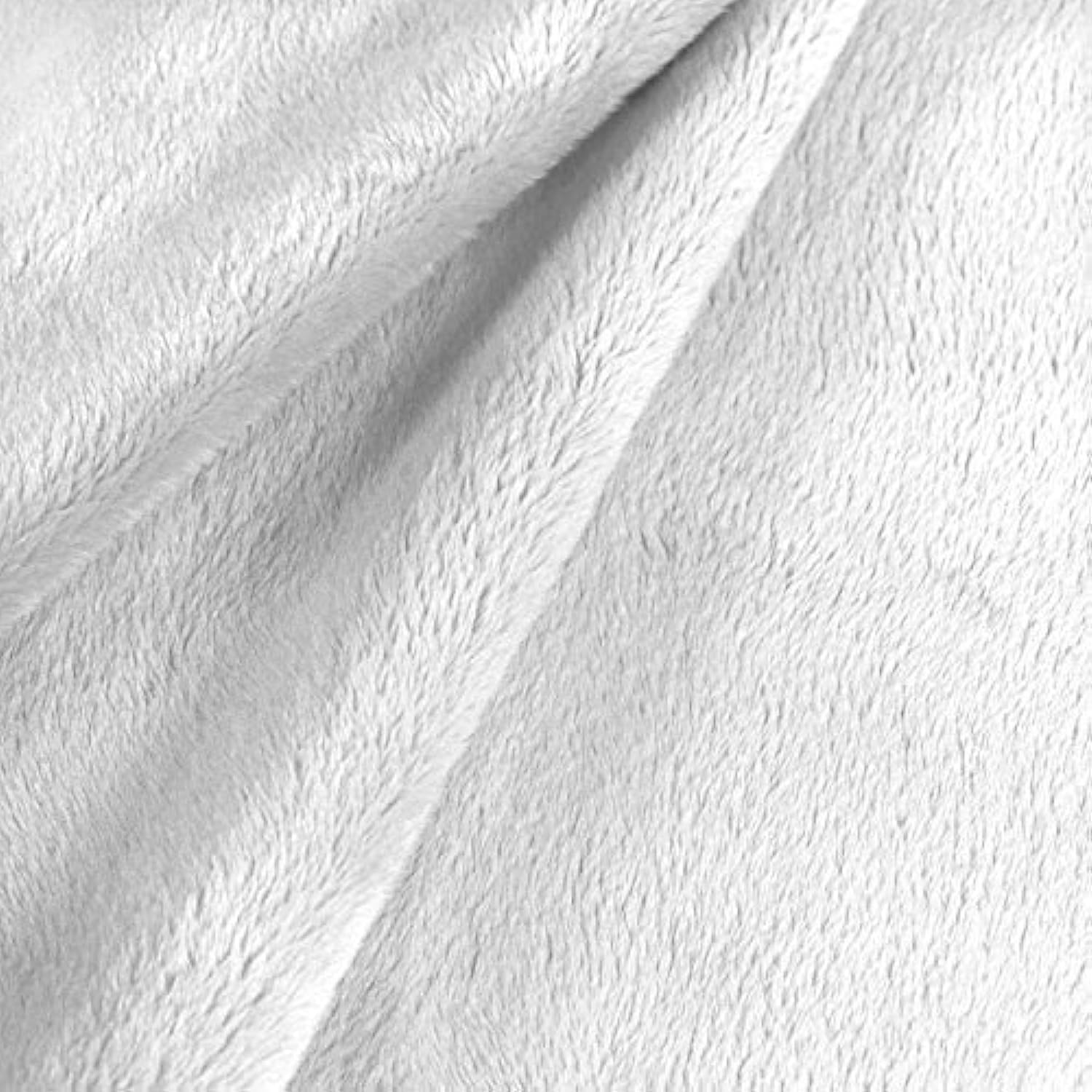
Minky, sometimes called plush or cuddle fabric, has become the go-to choice for many professional plush makers, and for good reason. This 100% polyester knit features a short, dense pile-usually 1 to 20 millimeters-that gives it that signature velvety, buttery-soft hand feel. It's what you'll find in a lot of high-end stuffed animals and baby blankets.
One of the biggest advantages is its incredible softness combined with decent durability. Minky resists tearing better than many alternatives and holds up well to machine washing on gentle cycles, though you'll want to air dry to keep the pile looking fresh. It comes in endless colors, prints, and even embossed patterns, making it versatile for everything from simple bears to detailed character designs. The stretch-often in the 10-30% range-helps the toy fill out nicely when stuffed, creating those irresistible rounded shapes without extra effort.
On the downside, minky can be slippery to sew, especially the higher-pile versions, so a walking foot on your machine is almost essential. It's not the most breathable option compared to natural fibers, which might make it less ideal for very hot climates or heavy outdoor use. Premium minky also carries a higher price tag, which can squeeze margins on large production runs. Still, for toys meant to be premium gifts or collectibles, it's hard to beat the luxurious feel that keeps kids coming back for more hugs.
Fleece: Affordable Warmth and Beginner-Friendly Simplicity
Fleece is a workhorse material in the plush world-widely available, budget-friendly, and forgiving for new makers. Usually made from polyester, it offers a cozy, slightly fuzzy texture on one or both sides and comes in a huge array of solid colors and prints. Its lightweight nature makes it great for larger toys or those designed for cooler weather play.
Pros include excellent resilience and ease of sewing. Fleece has good stretch, which simplifies turning and stuffing, and it doesn't require worrying about pile direction like furrier fabrics. It's relatively pill-resistant in higher-quality anti-pill versions and washes well, making it practical for everyday toys. Many manufacturers love it for simple designs where cost-effectiveness matters most.
However, fleece isn't perfect for intricate details. Its thickness and stretch can make sharp corners or fine features harder to achieve, leading to a somewhat blobby look in complex patterns. Over time, lower-grade fleece tends to pill or mat down, losing that initial softness. Breathability is decent, but it can trap heat more than cotton. For high-volume, budget lines or basic shapes, though, fleece delivers reliable performance without breaking the bank.
Faux Fur: Realistic Textures for Character-Driven Toys
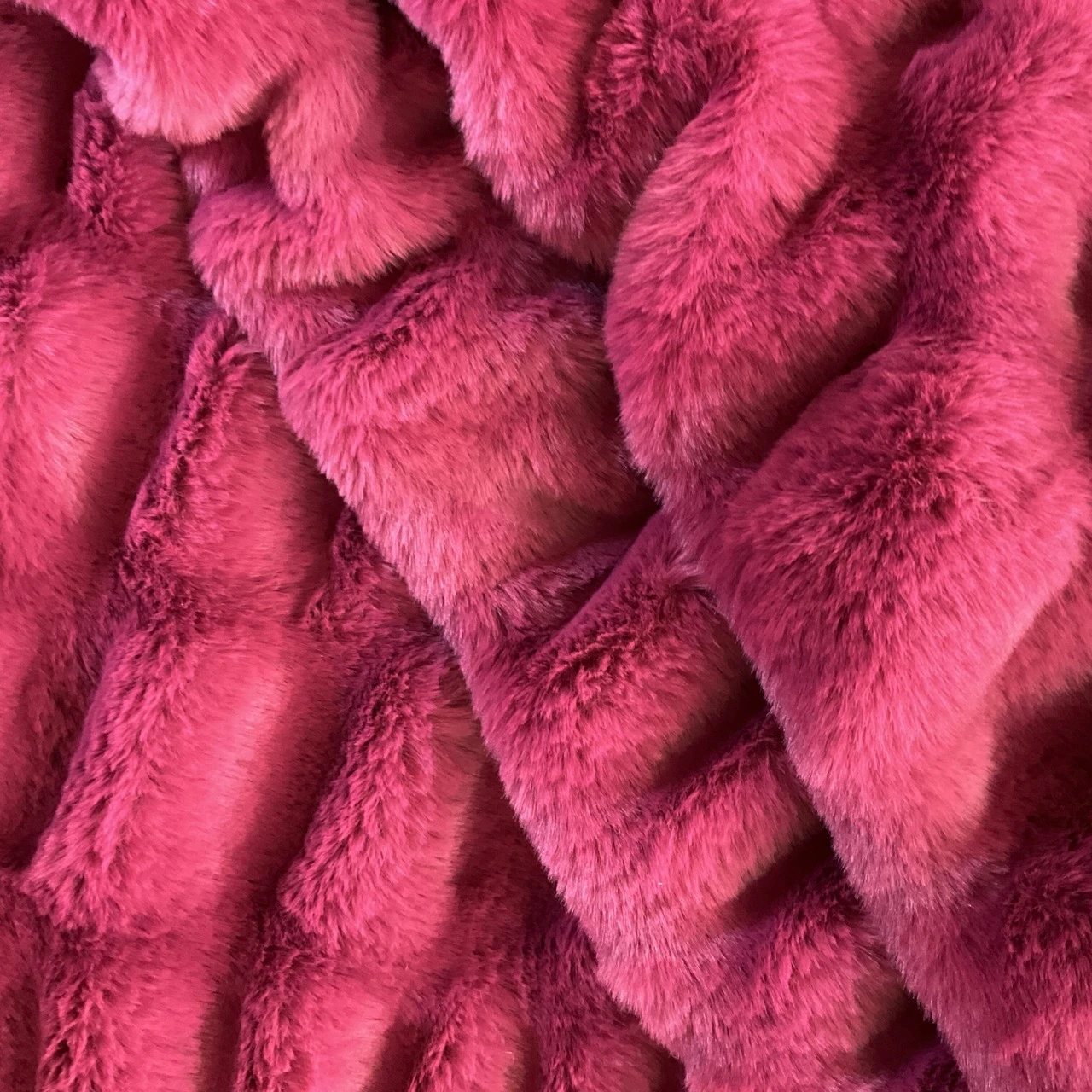
When you need that shaggy, lifelike animal look-think lions, wolves, or teddy bears with personality-faux fur steps up. Made primarily from acrylic or polyester with longer piles (20-50mm or more), it creates dramatic, textured plush toys that stand out on shelves.
The major win is realism. Nothing else mimics real animal fur as convincingly, and the fluff often hides minor sewing imperfections, which is a blessing during production. It's durable for display pieces and appeals to kids who love tactile variety. Modern faux furs are animal-friendly and come in creative colors beyond nature's palette.
Working with it, however, demands patience. No stretch, thick layers, and directional pile mean careful cutting (often with a razor blade to avoid mess) and precise sewing. It sheds during construction and can be tricky to clean-usually spot cleaning or gentle washing is best. It's heavier and more expensive, so it's often used as accents rather than the entire toy. For specialty or high-end character plush, the wow factor makes the extra effort worthwhile.
Cotton and Organic Cotton: Breathable Natural Comfort for Sensitive Skin
For parents prioritizing natural materials, cotton stands out as a safe, classic choice. Pure or blended cotton offers a smooth, matte finish with excellent breathability, making it ideal for baby toys or items used in warmer conditions. Organic versions with GOTS certification add peace of mind by avoiding harsh chemicals.
Advantages include skin-friendliness, easy printing for custom designs, and good washability. It's widely available and familiar to sewers, reducing production hurdles. Blends with polyester improve durability and reduce wrinkling.
Pure cotton's downsides are notable: it frays easily, has no stretch (complicating rounded shapes), and can shrink or deform after repeated washes. It's less inherently plush than synthetics, so it often serves as accents or bases rather than the main body. For eco-conscious lines or lightweight, breathable toys, though, cotton delivers trustworthiness that sells.
Other Specialized Options: Velboa, Sherpa, Velour, and Felt
Velboa offers a shorter, denser pile than minky-firmer but still soft and more stable for mass production. It's cost-effective with good color retention, though less luxurious.
Sherpa brings a curly, wool-like texture that's warm and casual, great for cozy bears, but it can be inconsistent in quality and trickier to sew uniformly.
Velour provides an elegant, short dense pile with a premium sheen, while felt excels at non-fraying details and flat shapes but lacks stretch and softness for main bodies.
Each has trade-offs in softness versus structure, cost versus performance, and ease of manufacturing. Smart makers mix them-minky bodies with felt ears, for example-to optimize both aesthetics and function.
Safety, Durability, and Production Considerations Across Fabrics
No matter the material, safety comes first. Look for low-pilling, non-toxic dyes, secure seams, and proper stuffing that won't clump or pose choking hazards. Durability testing-simulating hugs, tugs, and washes-is essential before scaling up.
In production, factors like sewing machine compatibility, cutting waste, and supply chain reliability matter. Synthetics like polyester dominate for consistency and price, but natural options appeal to niche markets willing to pay more for "green" credentials. Storage and shipping also play roles-some fabrics compress better or resist moisture.
| Feature | Minky | Fleece | Sherpa/Faux Fur |
|---|---|---|---|
| Softness | ★★★★★ | ★★★★☆ | ★★★★★ |
| Cost | Medium–High | Low–Medium | High |
| Durability | Excellent | Good | Moderate |
| Best For | Babies, collectors | Kids, mid-tier plush | Teddies, gift plush |
| Ease of Sewing | Moderate | Easy | Difficult |

Choosing the Right Fabric for Your Plush Toy Project
Ultimately, there's no single "best" fabric-it depends on your target audience, price point, design complexity, and brand story. For mass-market cuddle toys, minky or high-quality fleece often hits the sweet spot. Premium collector pieces might lean into faux fur or specialty blends. Baby lines benefit from organic cotton or certified minky.
Test swatches thoroughly. Feel them, sew samples, wash them, and get kid feedback. Consider the full lifecycle: how the toy looks new, after play, and after cleaning. Partnering with experienced manufacturers who understand these nuances can save headaches down the line.
Trends are shifting toward sustainable options and multifunctional designs, so staying flexible with your material palette keeps you competitive. Whether crafting one-of-a-kind gifts or thousands for retail, the right fabric transforms a good toy into a beloved keepsake.
In the end, great plush toys start with great materials and thoughtful choices. By weighing the pros and cons of each fabric type against your specific goals, you'll create products that not only sell but genuinely delight the children who treasure them. That's the real magic of this business.