Making plush toys that kids will hug, drag around, and love for years means getting the fabric right from the start. The outer material determines everything from that first irresistible cuddle factor to how well the toy holds up after countless washes, play sessions, and even the occasional trip through the dryer. Whether you're a hobbyist sewing one-of-a-kind gifts or scaling up for a small business, understanding the differences between popular plush fabrics helps you match the right texture, durability, and care needs to your project. From ultra-soft microfiber options to cozy fleece and realistic faux fur, each type brings its own strengths and trade-offs that experienced makers learn through trial and error.
In this practical guide, we'll explore the most common plush fabrics used in toy making, diving into their real-world characteristics, best applications, and honest pros and cons. Drawing from hands-on sewing experience and industry insights, the goal is to help you make informed choices that result in safe, huggable, and long-lasting creations parents feel good about buying. We'll cover everything from buttery minky styles to practical fleece and beyond, all while keeping safety, ease of sewing, and final appearance top of mind.
Why the Right Plush Fabric Makes All the Difference in Toy Making
Plush toys aren't just stuffed shapes-they become trusted companions for little ones. The fabric needs to deliver exceptional softness for comfort, enough strength to survive enthusiastic play, good breathability to prevent skin irritation, and straightforward cleaning because life with kids gets messy. Safety matters enormously too: look for non-toxic materials that meet standards for children's products, with secure seams and stuffing that won't pose risks.
Cost and availability play big roles as well. Premium options can elevate perceived quality and command higher prices, while more affordable choices make sense for everyday toys or larger production runs. The pile height, stretch, and backing all affect how the toy looks and feels when finished-whether it's a squishy round character or a structured animal with personality. Makers quickly learn that testing swatches, sewing samples, and washing them repeatedly reveals the true performance of any fabric.
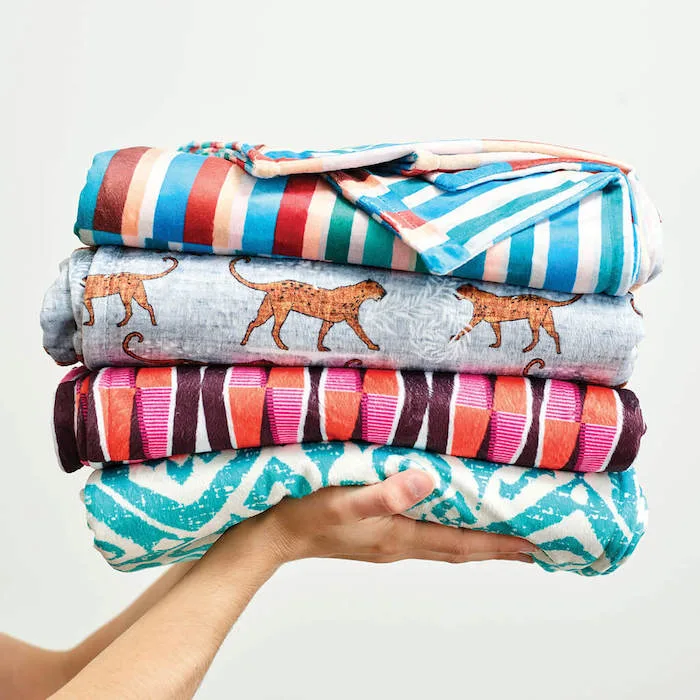


Minky Fabric: The Go-To for Buttery Soft, Cuddly Toys
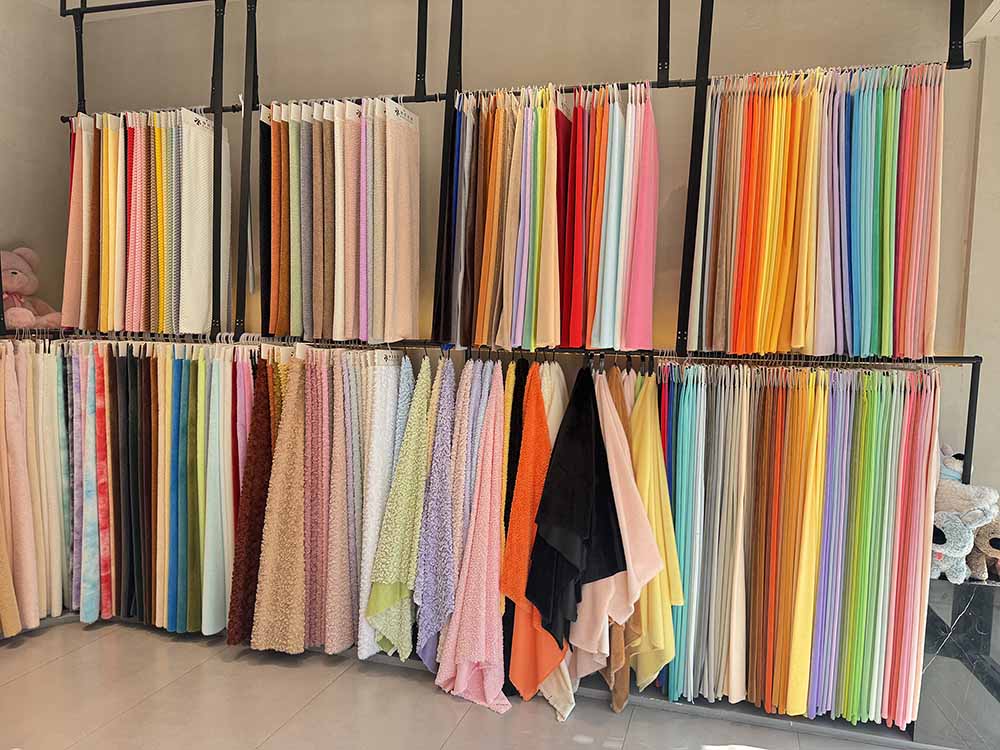
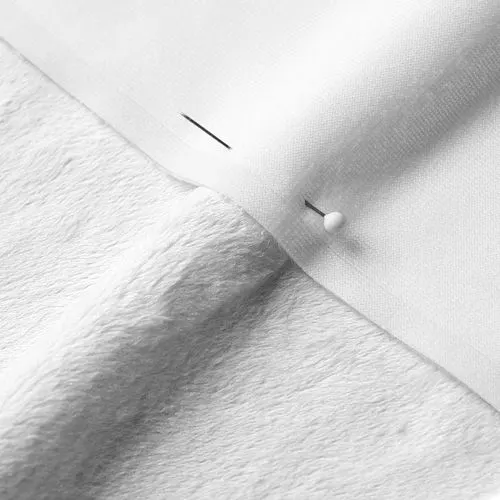
Minky stands out as a favorite microfiber plush fabric thanks to its fluffy, textured surface and pile typically ranging from 3 to 5 millimeters. This creates that signature marshmallow-like softness many associate with high-quality stuffed animals and baby blankets. The smooth backing makes pattern transfer and sewing much easier compared to fabrics with tricky textures on both sides.
Image of various minky fabric swatches in different colors, showing the dense 3-5mm pile and finished soft plush toys made with it.
One of the biggest advantages is the balance of softness and usability. Many minky varieties offer some stretch, which helps achieve those delightfully plump, rounded shapes when stuffed. It holds up reasonably well to gentle machine washing and maintains its appeal through regular use. The variety of colors, prints, and textures available makes it incredibly versatile for everything from simple bears to detailed characters.
On the flip side, longer-pile minky can be slippery to work with, requiring a walking foot or extra pins to prevent shifting. It may shed a bit during cutting and sewing, and premium grades come at a higher price point that affects margins on big runs. Less breathable than natural fibers, it might not be the first choice for very warm climates or heavy outdoor play, but for indoor cuddle toys and gifts, it's hard to beat the luxurious feel.
Velboa: Smoother and More Structured for Precise Projects
Velboa is essentially a shorter-pile cousin of minky, with a very close, dense texture that feels smooth and velvety rather than deeply fluffy. This makes it thinner overall and often easier to sew, especially for beginners or projects needing sharper details and structure. Less mess during cutting is a real plus since the short fibers don't fly around as much.
Image of velboa fabric close-ups highlighting its short, even pile and examples of structured plush toys or puppets sewn from it.
Durability and a sleek appearance make velboa great for toys, costumes, and items where precision counts. It sews cleanly, holds its shape well, and works nicely for both baby accessories and decorative pieces. The velvety surface appeals to those wanting a polished look without extreme fluff.
However, the shorter pile means it doesn't deliver quite the same cloud-like squish as longer minky options. It can feel firmer, which suits some designs but might not satisfy crafters chasing maximum softness. Like other microfiber plushs, care involves avoiding fabric softeners to preserve the texture over time.

Mochi Minky: Ultimate Stretch for Super-Squishy Creations
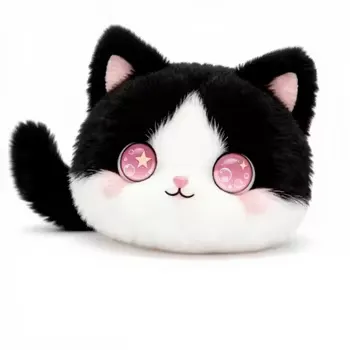
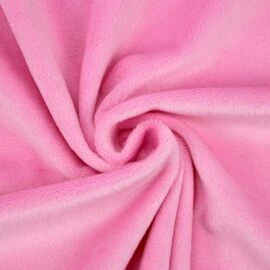
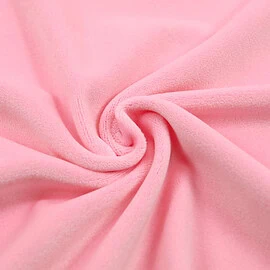
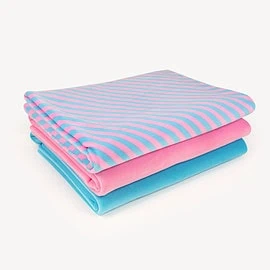
Mochi minky takes softness to another level with its ultra-short 1mm pile and impressive four-way stretch, often thanks to added spandex. This combination produces exceptionally huggable, squishy toys that compress nicely and bounce back-think of those popular ultra-soft characters kids can't stop squeezing.
Image of mochi minky fabric demonstrating its extreme stretch and very short pile, paired with examples of extra-plush, rounded stuffed toys.
The stretch makes sewing rounded shapes easier and helps the fabric resist shrinking or losing integrity over time. It also tends to shed less than longer-pile fabrics, keeping your workspace cleaner and the finished toy neater. Durability combined with the squish factor makes it ideal for modern, tactile playthings.
Challenges include its specialized nature-availability and cost might be higher than standard minky. The extreme stretch requires careful pattern adjustments and handling to avoid distortion. Still, for toys designed around that irresistible marshmallow feel, mochi minky delivers results that stand out.
Faux Fur: Bringing Realistic Animal Textures to Life
Faux fur captures the look and feel of real animal coats with piles ranging from short and sleek to long and shaggy. Available in styles mimicking everything from rabbits to llamas, it adds dramatic personality to character-driven toys, dolls, and costumes. Many options are 100% polyester for easier care, though some acrylic blends need gentler handling.
Image of different faux fur fabrics with varying pile lengths and animal-like textures, shown on finished plush animal toys.
The realism and tactile variety create toys with genuine wow factor. Longer piles hide sewing imperfections well, and the range of colors goes beyond nature for creative designs. Polyester versions are durable and machine-washable with care, making them practical for play.
Working with faux fur demands patience. Many types have little to no stretch and a directional pile, requiring careful cutting and sewing alignment. Shedding during construction is common, and heavier weights can make large toys bulkier. It's often best used strategically for accents or full-body on statement pieces rather than every project.


Sherpa and Teddy Plush: Cozy, Wool-Like Warmth
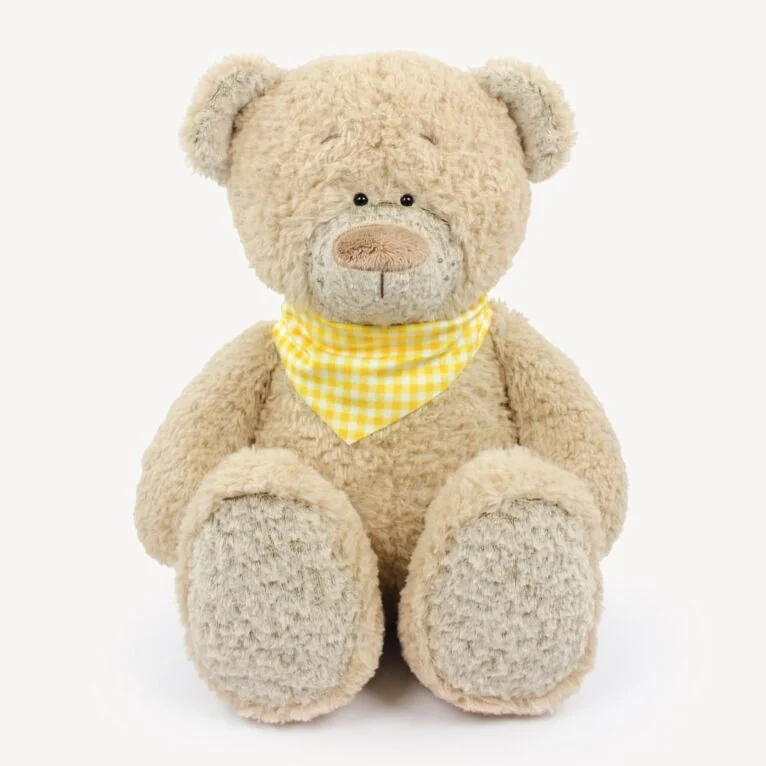
Sherpa, sometimes called teddy plush or faux sheepskin, features a bumpy, curly texture that mimics sheep's wool on one side with a smooth knit backing. This heavyweight fabric brings warmth and comfort, making it popular for cozy bears, jackets, blankets, and whimsical animals. Blends of polyester, cotton, or acrylic offer different levels of softness and durability.
Image of sherpa fabric showing its textured, sheepskin-like pile and examples of warm teddy bear style plush toys.
The combination of softness and insulation creates inviting toys perfect for bedtime or cooler play. It sews well for many projects and holds up to regular use when cared for properly. Variations like fuzzier "llama" styles add extra character.
Heavier weight can make it challenging for intricate details or very small toys. Some qualities pill or flatten with heavy agitation, so gentle washing is key. It's less ideal for super-squishy designs but excels where cozy, substantial feel is the goal.
Fleece: Affordable, Versatile Everyday Choice
Fleece is one of the most accessible plush fabrics, available in countless colors and patterns at reasonable prices. Usually polyester (sometimes blended with cotton), it offers good stretch and thickness for simple, cozy designs. Anti-pill versions perform better over time.
Image of fleece fabric bolts and simple plush toys made from it, highlighting the fuzzy texture.
Its forgiving nature makes it beginner-friendly and great for quick projects or budget lines. Easy to find and sew, fleece works well for basic stuffed animals, blankets, and outdoor wear.
Drawbacks include a tendency to pill in lower qualities and difficulty achieving fine details due to thickness and stretch. It may not feel as premium as minky but delivers solid performance where affordability and simplicity matter most.

Flannel and Other Supporting Fabrics
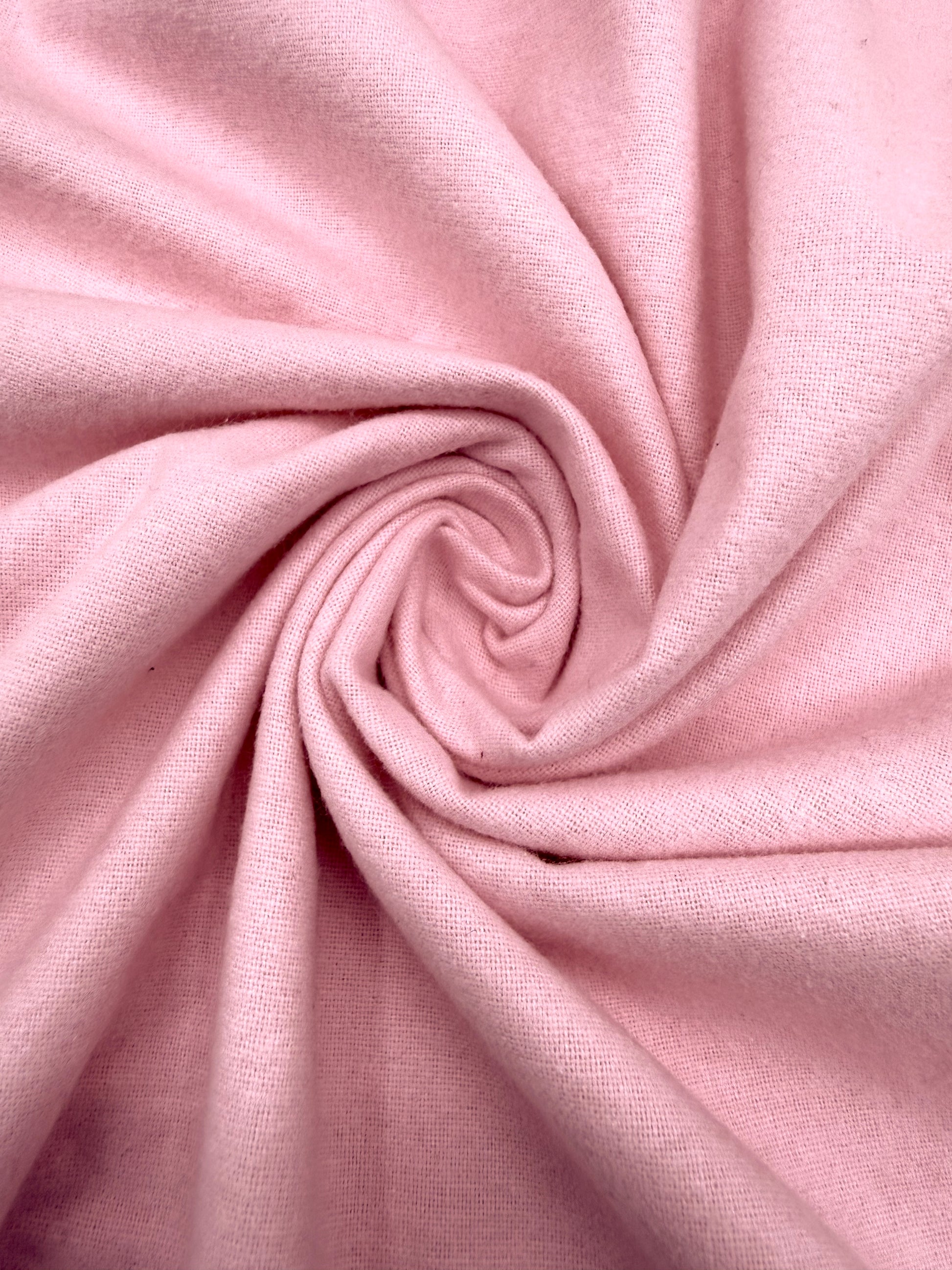
Flannel brings a soft, brushed woven surface, often cotton-based, that's lightweight yet warm. It's excellent for linings, quilts, or baby accessories but lacks the deep plushness for main toy bodies. Its textured grip helps with layering and quilting.
Image of flannel fabric patterns and its use in baby items or as accents in plush toys.
Breathability and pattern variety are strengths, though it frays more easily and has minimal stretch. Many makers combine it creatively with plushier fabrics for contrast and functionality.
Microfiber Plush Basics and Production Tips
Most modern plush fabrics like minky and velboa fall under microfiber plush-made from ultra-fine polyester fibers thinner than silk. This creates exceptional softness, durability, lightweight feel, and moisture-wicking properties that keep toys comfortable.
Image illustrating microfiber plush structure and comparison swatches.
When choosing fabrics, consider pile direction, stretch, and care requirements. Always test for colorfastness and shrinkage. Safety testing, reinforced seams, and quality stuffing complete the picture. Combining fabrics-minky bodies with felt details or sherpa accents-often yields the best results.
Making Smart Fabric Decisions for Your Plush Projects
Ultimately, there's no single perfect fabric. Minky and mochi styles suit ultra-soft, huggable toys, while velboa and fleece work for structured or budget-friendly options. Faux fur and sherpa shine for character and warmth. Test thoroughly, factor in your audience and price point, and prioritize materials that balance beauty with longevity.
The plush toy world rewards thoughtful material choices. By understanding these fabrics deeply, you'll create pieces that don't just look cute but feel wonderful and last through years of adventures-exactly what every maker hopes for.