

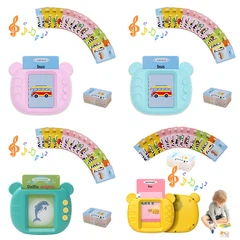







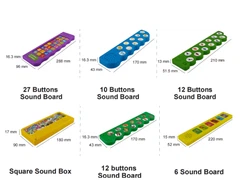



Products like the Tonies Box have set a high bar by combining physical figurines with digital storytelling through simple NFC taps. For developers and manufacturers eyeing this booming edutainment market, the big question is how to create something competitive without blowing the budget or complicating the design.
Enter the Jieli AC791N series. This line of system-on-chips (SoCs) from Jieli Technology offers a tailored solution for NFC-enabled audio players that can go head-to-head with established players in the space. In this deep dive, we'll explore why these chips stand out, how they address real-world product requirements, and what it takes to bring a winning device to market. Whether you're an OEM looking to scale production or an innovator dreaming up the next big interactive toy, understanding the AC791N's strengths could give your project a serious edge.
Why the NFC Audio Player Market Is Heating Up
Kids' audio players aren't new, but the integration of NFC technology has transformed them from basic sound boxes into magical storytelling companions. Tap a character figurine on the device, and it instantly pulls up the right story, song, or educational content. Remove it, and playback pauses-perfect for short attention spans and on-the-go play.
This physical-digital blend appeals to parents tired of screen-heavy gadgets. It encourages independent play, limits blue light exposure, and creates a tactile experience that feels more like traditional toys. Market demand is growing as families seek screen-free alternatives that still deliver rich content libraries. Devices need to support WiFi for content downloads, Bluetooth for easy setup, reliable local storage for offline use, and crystal-clear audio that keeps kids engaged.
Safety is non-negotiable too. Toys must meet strict standards like EN71 for child safety, meaning rugged builds, no small parts hazards, and reliable performance that won't frustrate users. Cost-effectiveness matters just as much-high BOM (bill of materials) costs can kill competitiveness in a price-sensitive market. This is where specialized audio-focused SoCs like the Jieli AC791N shine, offering integration that simplifies engineering while hitting performance targets.


Core Features That Make the AC791N Series Stand Out
At its heart, the AC791N series is built for audio-first applications with modern connectivity. The flagship AC791N and its premium sibling, the AC7916A, pack a lot into a single chip, reducing the need for multiple discrete components.
Developers get dual-band WiFi (802.11 b/g/n) alongside Bluetooth 5.0, including BLE support. This combo handles wireless content delivery and seamless app pairing without extra hardware headaches. A high-performance dual-core DSP optimized for audio processing ensures smooth decoding and playback, even for high-quality files. Peripherals are plentiful too, making it straightforward to hook up an external NFC reader like the PN532 via I2C or SPI.
The result? A cleaner PCB layout, smaller overall device size, and lower manufacturing costs. Compared to piecing together a general-purpose MCU with separate WiFi and audio chips, this integration can shave significant dollars off the BOM while improving reliability-critical for toys that get dropped, spilled on, or played with roughly.
For budget-conscious lines, Jieli's related AC69xx series pairs nicely with external NFC controllers for offline-focused players. Content loads onto internal flash or a TF card upfront, keeping things simple and affordable for high-volume production runs.
How the AC791N Delivers on Real User Expectations
Let's break down how this hardware meets the expectations set by successful products in the category.
Intuitive NFC Interaction: The chip's flexible interfaces make integrating NFC modules a breeze. Place a figurine with an embedded NFC tag on the player, and the system quickly identifies it and launches the associated audio. It's responsive enough to feel instantaneous, mimicking the magic that keeps kids coming back.
Seamless App Connectivity: First-time setup is often a pain point for connected toys. The AC791N's native BLE support enables straightforward mobile app provisioning for WiFi networks. Parents can manage content libraries, download new stories, or even create custom audio through a companion app without wrestling with complicated menus on the device itself.
Reliable Content Delivery and Storage: A typical 30- to 60-minute story at 128 kbps MP3 weighs in around 28-56 MB. The AC791N's WiFi capabilities handle this efficiently. Theoretical peaks reach about 8 MB/s, but real-world sustained speeds of 2-4 MB/s mean downloads finish in 15-30 seconds-fast enough that kids (and parents) won't lose interest waiting. Local storage keeps everything playable offline, ensuring the device works during travel or in spotty signal areas.
Immersive Audio Quality: The dedicated DSP isn't just marketing speak. It's tuned for audio tasks, delivering clear, rich sound that brings stories to life. Volume controls, effects, and multi-format support add polish that elevates the whole experience beyond basic beep-and-boop toys.
Durability and Safety: While the chip itself doesn't dictate enclosure design, its efficiency supports longer battery life and less heat generation-both pluses for child-safe products. Combined with proper mechanical engineering, these players can withstand the rigors of daily toddler use while meeting global regulatory requirements.


AC7916A: Taking It to the Premium Level
For brands aiming at the high end, the AC7916A steps things up. Running at up to 320 MHz with a dual-core floating-point DSP, it handles more demanding workloads like complex user interfaces or multitasking. Expanded memory-578 KB on-chip SRAM plus support for up to 8 MB external SDRAM-opens doors to richer graphics and software features.
Built-in ISP for camera input and RGB display interfaces are particularly exciting. Imagine a player that not only plays audio but also recognizes physical picture books via vision AI or shows animated visuals on a small screen synced to the story. This kind of multimedia capability could redefine interactive play, blending audio with visual storytelling in ways that feel fresh and engaging.
Comparing the AC791N to Popular Alternatives Like the ESP32
Many developers default to the Espressif ESP32 because it's versatile, has a huge community, and supports familiar toolchains like Arduino or ESP-IDF. It's a solid general-purpose IoT chip with WiFi and Bluetooth.
However, for audio-centric NFC players, the AC791N brings targeted advantages. Its DSP is optimized specifically for audio processing, often resulting in better sound quality and efficiency out of the box. The higher level of integration for this use case can mean a simpler design and lower costs compared to adding extra audio codecs or power management to an ESP32 setup.
The ESP32 excels in flexibility and open-source resources, but Jieli's solution shines when time-to-market and audio performance are priorities. For commercial toy production, where optimized BOM and proven audio pipelines matter, the AC791N series frequently proves more practical.
Navigating Development: SDK, Support, and Going to Market
No chip is perfect in isolation, so it's worth looking at the ecosystem. Jieli provides a mature proprietary SDK with examples for NFC reading, WiFi streaming, and audio functions. While it may not match the open-source vibrancy of ESP32 communities, it's highly tuned for audio applications and can speed up development for teams experienced with embedded systems.
Support channels and certification assistance (CE, FCC, RoHS) are strong suits, especially important for toys sold internationally. Manufacturers benefit from Jieli's focus on commercial applications, which often translates to reliable supply chains and documentation tailored to production realities.
Challenges exist-smaller community means leaning more on official resources for edge cases-but for focused projects like NFC audio players, this specialization is often a net positive. Teams can leverage ready-made audio pipelines rather than building everything from scratch.


Strategic Advantages for Manufacturers and Innovators
Choosing the right SoC impacts everything from development timeline to retail pricing and long-term reliability. The AC791N series offers a scalable path: start with cost-optimized offline models using AC69xx variants, then move up to full WiFi+NFC connected experiences, and even premium multimedia versions with the AC7916A.
This flexibility lets companies target different market segments without redesigning from the ground up. Lower BOM costs improve margins or enable competitive pricing. Audio optimization and integration reduce engineering risks and testing time. And the focus on child-friendly, engaging experiences aligns perfectly with parent demands for educational, screen-light play options.
In a market where differentiation comes from both technology and user delight, these chips provide the foundation to innovate-whether that's adding parental controls, expanding content partnerships, or exploring AI-enhanced features in future iterations.
Potential Roadmap and Future-Proofing Your Product
Looking ahead, the edutainment space will likely see more convergence of audio, visuals, and interactivity. The AC791N platform's multimedia capabilities position developers well for this evolution. Firmware updates, content ecosystem growth, and accessory expansions (more figurines, add-on modules) can keep devices relevant for years.
Manufacturers should prioritize robust app ecosystems, high-quality content curation, and seamless updates. Pairing strong hardware with thoughtful software and safety design creates products that parents trust and kids love.
A Practical Path Forward for NFC Audio Innovation
The Jieli AC791N series isn't just another chip option-it's a strategic enabler for next-gen NFC audio players that balance performance, cost, and features effectively. From intuitive tap-and-play magic to efficient content delivery and premium upgrade paths, it checks the boxes that matter most in today's competitive toy landscape.
For hardware teams and brands ready to capture share in the growing interactive audio market, this platform offers feasibility today and scalability tomorrow. By leaning into specialized audio SoCs rather than generalist solutions, developers can bring delightful, safe, and affordable experiences to children while building viable, profitable products.
The opportunity is clear: the next wave of storytelling toys is here, and chips like the AC791N are helping make it accessible and exciting for everyone involved. Whether refining an existing line or launching something entirely new, this technology deserves serious consideration.