










Overview
Understanding UN38.3 and MSDS is essential for anyone who handles, ships, or buys lithium batteries. Many teams use these documents every day, but they serve different purposes. UN38.3 focuses on transport safety testing for lithium cells and batteries. MSDS (also called SDS) focuses on chemical hazard information and workplace safety. Both are important. They work together to reduce risk, improve compliance, and keep people safe during storage, handling, and transportation. This guide explains each document in clear terms, highlights key differences, and shows when you need one or both. ✅


What Is UN38.3?
UN38.3 is a set of transport tests defined by the United Nations Manual of Tests and Criteria, Section 38.3. It applies to lithium-ion and lithium-metal cells and batteries. The goal is simple: prove that batteries can travel safely by air, sea, road, or rail. If a battery fails, it cannot be shipped as a standard item. Airlines, couriers, and freight forwarders usually require proof that your battery passed UN38.3 before they accept it.
What UN38.3 Tests Include
Altitude simulation: checks pressure changes during air transport.
Thermal test: checks safety under rapid temperature swings.
Vibration: simulates transport movement over long distances.
Shock: tests sudden impact.
External short circuit: ensures protection under a short event.
Impact or crush: checks mechanical abuse resistance.
Overcharge (for rechargeable cells): confirms control under charging errors.
Forced discharge (for primary cells): verifies behavior when misused.
Passing UN38.3 means the battery type is considered safe for transport under normal conditions. It does not replace shipping labels, packaging rules, or airline policies. Those rules still apply.
What Is an MSDS?
An MSDS (Material Safety Data Sheet), also called SDS today, is a standardized chemical safety document. It explains hazards, ingredients, safe handling, storage, firefighting measures, exposure controls, PPE, first aid, and spill response. For lithium batteries, the MSDS also includes information about electrolyte hazards, potential risks during damage or fire, and recommended response actions. MSDS documents help employers train teams, help warehouses store products properly, and help emergency responders act fast.
What an MSDS Includes
Identification: product name, manufacturer, and contacts.
Hazard identification: health, physical, and environmental risks.
Composition: chemical components and concentration ranges.
First-aid measures: what to do if exposure occurs.
Firefighting measures: suitable media and special hazards.
Accidental release measures: spill and leak response.
Handling and storage: do's and don'ts to reduce risk.
Exposure controls and PPE: ventilation and protection.
Stability and reactivity: conditions to avoid.
Toxicological and ecological data: health and environment impact.
Transport, regulatory, and disposal information.
An MSDS supports workplace safety and legal compliance. It is not a transport test report and does not prove air-shipping eligibility.
Key Differences at a Glance
Purpose
UN38.3: Proves transport safety performance through testing. It answers, "Can this battery be shipped under standard conditions?"
MSDS: Communicates chemical hazards and safety procedures. It answers, "How do we handle, store, and respond to incidents safely?"
Scope
UN38.3: Applies to each battery type or model design. It is technical and test-focused.
MSDS: Applies to the product as a chemical article. It is safety and communication-focused.
When Required
UN38.3: Required by carriers and regulators for most lithium batteries before shipment. Without UN38.3, many carriers will refuse the shipment.
MSDS: Required for workplace hazard communication and often requested by customers, customs, and warehouses.
Who Uses It
UN38.3: Logistics teams, airlines, forwarders, compliance officers.
MSDS: Safety officers, warehouse staff, customers, emergency responders, HR and training teams.
Do You Need Both?
In most cases, yes. If you produce, sell, or ship lithium batteries or battery-powered products:
You need UN38.3 test evidence to move goods through air or international routes.
You need an MSDS to support safe storage, handling, and incident response.
Together, they reduce operational risk, support legal compliance, and build trust with partners and regulators.
Common Misunderstandings
"An MSDS is enough for shipping."
Not correct. An MSDS helps with safety communication. It does not replace UN38.3 testing. Carriers will still ask for proof of UN38.3 compliance.
"A UN38.3 report covers all future shipments."
Partly correct. UN38.3 applies to the tested type. If the design, cell, PCM/BMS, enclosure, or electrolyte changes, you may need re-testing or a variation review. Always verify with your compliance team and carrier.
"Power banks and toys are exempt."
Most battery-powered products still need UN38.3 for the battery and correct packaging, labels, and documentation. Always check carrier and IATA/IMDG rules.
How UN38.3 and MSDS Support Each Stage of the Lifecycle
Design and validation: UN38.3 confirms transport safety of the design. MSDS supports hazard evaluation and safety labeling.
Production and QA: UN38.3 keeps shipping lanes open. MSDS supports worker training, PPE selection, and chemical handling.
Warehousing and distribution: UN38.3 helps pass carrier checks. MSDS guides storage temperature ranges and incident response.
Customer support and after-sales: UN38.3 proves safe transport history. MSDS assists with safe use, damage handling, and disposal advice.
Practical Tips for Teams
For Manufacturers and OEM/ODM Brands
Keep a controlled list of battery models and their UN38.3 status.
Track component changes that could affect test validity.
Maintain current MSDS versions that match the exact product.
Train staff on label use, packaging, and emergency steps.
Align suppliers on documentation quality and update cycles.
For Importers and Distributors
Request UN38.3 test summaries or full reports before purchase.
Ask for an MSDS that clearly matches the product code.
Confirm packaging instructions (e.g., IATA PI 965–970 for lithium) with your forwarder.
Keep digital copies ready for audits and customs reviews.
For Warehouses and Operations
Store batteries in cool, dry, ventilated areas away from heat sources.
Use clear labeling for state of charge and hazard warnings.
Create a simple response plan for swelling, leaking, or thermal events.
Rotate inventory and prevent deep discharge during long storage.
Compliance and Documentation Checklist
UN38.3 test report or summary for the exact battery type.
MSDS/SDS in the local language when required by law.
Packing instructions, labels, and SoC limits per mode of transport.
Emergency contact details and training records.
Clear tracing of product codes, lot numbers, and design changes.
Why This Matters for Your Business
Clear documentation reduces delays, extra fees, and shipment rejections. It protects workers and customers. It also supports your brand in global markets. When you combine UN38.3 and MSDS, you create a complete safety picture: performance under transport stress and safety guidance under real-world use. That means fewer surprises, smoother logistics, and greater confidence across your supply chain. 📦🔒
Work With XDT
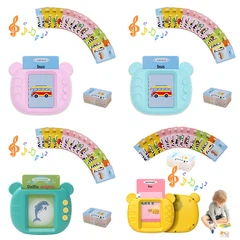
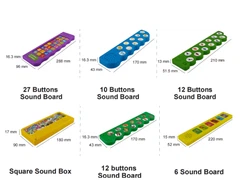
XDT supports OEM and ODM projects that include lithium-powered education toys and sound books. Our team helps align product documentation with shipping and safety needs. If you need guidance on UN38.3, MSDS, packaging, or labeling for your projects, we are ready to assist.
Website: www.kidsoundbook.com
Email: happy@xinditai.com
WhatsApp: +8613824343309
LinkedIn: https://www.linkedin.com/in/happy-gao-education-toy-oem-odm/
YouTube: https://www.youtube.com/@XDTHappy
FAQ
Is UN38.3 mandatory for all lithium batteries?
For most air shipments and many international routes, yes. Carriers typically require proof of compliance before acceptance.
Is an MSDS the same as a test report?
No. An MSDS is a safety information sheet. A UN38.3 report is evidence of passing transport tests.
How often should I update an MSDS?
Update when regulations change, ingredients change, or new hazard data becomes available. Review at least every three years as a best practice.
What if my battery pack uses a new cell model?
You may need new UN38.3 testing or a formal variation assessment. Confirm with your test lab and carrier.
Can I ship prototype batteries?
Special provisions may apply. Some routes allow limited prototype shipments under strict conditions. Consult your forwarder in advance.
Conclusion
UN38.3 and MSDS serve different but connected roles. UN38.3 verifies transport safety through rigorous testing. MSDS communicates chemical hazards and safe handling steps. Most businesses that make, store, or ship lithium batteries need both. By managing these documents well, you reduce risk, improve efficiency, and protect people and property. For support with documentation and compliance in your battery-powered toy or sound book projects, contact XDT today.