





🚀 Breaking Free from Screens
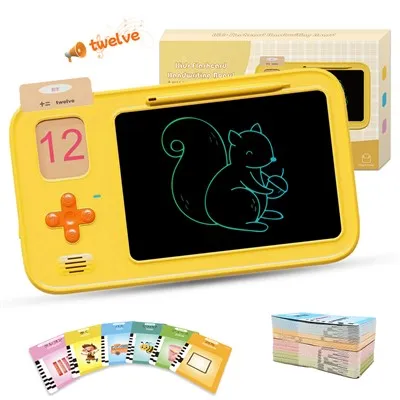
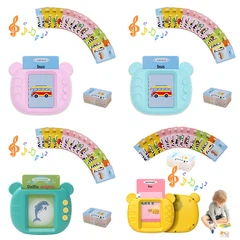
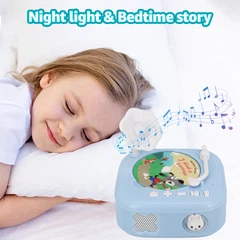
In an era where 72% of parents worry about screen time (Common Sense Media 2024), our Magnet Data Transfer Story Box emerges as a true offline hero 🦸♂️. Unlike app-dependent solutions, this plug-and-play system brings Tonies box-like magic without requiring smartphone pairing or WiFi connectivity.
Development Timeline
4-6 months for a full-featured MVP (Minimum Viable Product)
Discovery Phase: 2-3 weeks (Requirement analysis & feature prioritization) 4
UI/UX Design: 4-6 weeks (Including child-friendly interface testing) 1
Core Development:iOS: 8-10 weeks 1Android: 8-12 weeks 4Backend: 6-8 weeks (Content management + parental controls)
QA & Certification: 3-4 weeks (Including COPPA compliance)Critical Cost Drivers
Hardware Integration (Bluetooth/NFC pairing): Adds $25k-$40k 1
Content Security (DRM protection): $15k-$30k implementation 3
Compliance (COPPA/GDPR-K): $10k-$18k for legal audits 4
Ongoing Costs
Annual Maintenance: 15-25% of initial dev cost 2
App Store Fees: 15%-30% of in-app revenue 3
Content Updates: $5k-$8k/month (For weekly story rotations)


Figures of Tonies Box

APP of Tonies Box

Tonnie box with figures on the top

Our magnet attach story box with 6pin on the top

Work logic of the magnet connect

Construction of the story box
What do we do now?
Function video-1
Function video-2

An USB drive in every figure
The Necessity of Apps in Modern Children's Toys: A Balanced Perspective 🌟
The integration of apps into children's toys has sparked debates among parents, educators, and child development experts. While critics argue that screen-based interactions risk displacing tactile play, the reality is more nuanced. Here's why thoughtfully designed apps are not just beneficial but essential for today's play ecosystem:
1. Enhanced Educational Value 💡
Apps transform passive toys into dynamic learning tools. For instance, a plush animal paired with an app can teach language through interactive storytelling or introduce math via gamified challenges. Studies by the American Academy of Pediatrics highlight that guided screen time (1–2 hours/day) can boost cognitive skills when content is age-appropriate and goal-oriented.
2. Personalized Engagement 🎮
Unlike static toys, app-connected devices adapt to a child's learning pace. Imagine a puzzle toy that adjusts difficulty based on real-time performance analytics or a coding robot that evolves with the child's skill level. This responsiveness fosters growth mindsets and reduces frustration.
3. Parental Collaboration & Safety 🔒
Apps empower parents to monitor play patterns, set time limits, and curate content. For example, a parent dashboard might track progress in literacy apps or block unsafe features. This bridges the gap between digital freedom and responsible oversight-a critical balance in our tech-driven world.
4. Future-Proofing Play 🚀
As AR and AI redefine industries, app-enabled toys prepare children for tomorrow's challenges. A chemistry set with AR simulations lets kids visualize molecules, while AI-driven storytelling toys encourage creative problem-solving. These tools don't replace traditional play-they expand its horizons.
The Caveat: Quality Over Quantity 📱
The key lies in intentional design. Apps should complement, not dominate, playtime. Prioritize toys that:
Encourage offline exploration (e.g., apps prompting outdoor scavenger hunts).
Avoid addictive mechanics (e.g., infinite scrolling or autoplay).
Align with developmental milestones (e.g., fine motor skills for toddlers).
Final Thought: Apps in toys are neither inherently good nor bad-they're a mirror of our priorities. By demanding ethical design and mindful usage, we can harness technology to cultivate curiosity, resilience, and joy in the next generation. 🌍
💬 What's your take? Are app-connected toys a leap forward or a step too far? Let's discuss! #EdTech #ChildDevelopment #ParentingInDigitalAge #FutureOfPlay

My vCard

Our catalog