



What Exactly Are Talking Flash Cards and Why Do They Work So Well?
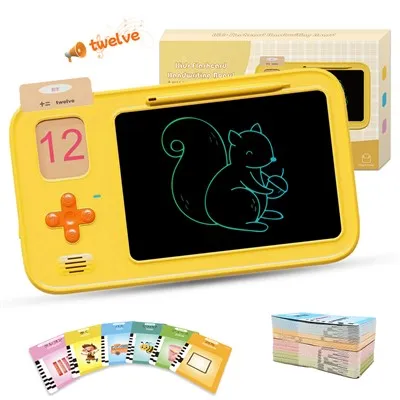
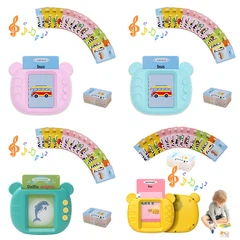
At their core, talking flash cards consist of a handheld reader unit and a set of printed cards. When a child places a card on or near the reader, it triggers pre-recorded audio that speaks the word, explains a concept, or plays related sounds. This hands-on interaction makes learning feel like play rather than work. Kids stay engaged because they control the pace, and the immediate audio feedback reinforces what they see on the card.
The appeal goes beyond fun. Screen-free learning aligns with growing parental concerns about too much tablet or phone time. These devices deliver consistent, high-quality educational content offline, which means they work anywhere-at home, in the car, or during travel. For brand owners, this simplicity translates to broad market potential. Products in this category can be positioned as premium learning tools, affordable everyday helpers, or even licensed character versions that tie into popular IPs.
Breaking Down the Core Technical Principles
The technology behind talking flash cards is intentionally straightforward, which helps keep costs manageable while ensuring reliability. The card recognition system is the heart of the device. Options include barcode scanning, RFID tags, or simple contact-based triggers. Each method has trade-offs: barcodes are inexpensive to print but may require precise alignment, while RFID allows for more forgiving placement and can support additional interactive features.
Inside the reader sits an embedded audio IC with a preloaded voice database. This chip handles playback efficiently without needing constant power draws. A low-power microcontroller unit (MCU) manages the overall operation, coordinating card detection, audio output, and any extra features like volume control or mode switching. The speaker is typically an 8Ω unit rated around 0.5 to 1 watt-loud enough for a child's room but not overkill for battery life.
This architecture shines because it prioritizes offline use, durability, and low power consumption. Parents don't have to worry about Wi-Fi connections or app updates, and the devices can withstand the rough handling that comes with toddler use. For global retail, this reliability is a major selling point, reducing returns and building trust with distributors and big-box stores.
R&D and Product Design: Turning Ideas Into Kid-Friendly Reality
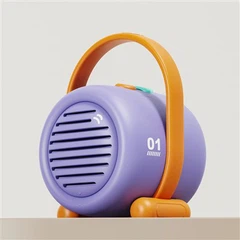
Creating a successful talking flash card product goes far beyond slapping audio onto cards. Industrial design plays a huge role in making the device safe and appealing for little hands. Think rounded edges, sturdy anti-drop construction, and lightweight builds-usually under 150 grams-so kids can carry them easily. A modular approach, where the main reader unit separates from the card storage, adds convenience for both storage and future expansions.
Color, material, and finish (CMF) choices let brands customize the look to match their identity or target audience. Bright, cheerful colors attract attention on store shelves, while softer, premium materials signal higher-end positioning. Hardware development involves custom PCB layouts optimized for clear audio playback, integration of multi-language voice chips, and reliable rechargeable lithium batteries in the 300–600mAh range with modern USB-C charging.
Some brands push further with optional features like Bluetooth connectivity for pairing with apps (while keeping core functions offline), interactive quiz modes that test knowledge, or LED lights that provide visual feedback. These extras can justify premium pricing but require careful balancing to avoid complicating the user experience or driving up manufacturing costs.


Content Engineering: The Real Differentiator for Brands
While the hardware gets the product working, the content makes it memorable and effective. Strong curriculum design covers phonics, everyday vocabulary, animal sounds, colors, shapes, and more. Localization into multiple languages-English, Spanish, French, Japanese, Arabic, and others-opens doors to international markets. Brands with existing intellectual property can integrate characters or themes, creating deeper emotional connections with families.
Audio quality matters immensely. Professional studio recordings with clear enunciation and engaging voices turn a basic toy into an educational companion. For brand owners, investing in content development often yields the highest returns because it creates repeat purchase opportunities through expansion card sets and builds long-term loyalty.
OEM Versus ODM: Choosing the Right Manufacturing Path
Brand owners have two main routes when bringing talking flash cards to market: OEM and ODM. Original Equipment Manufacturing suits faster market entry. You work with existing designs, adding your logo, customizing packaging, swapping languages, or making minor tweaks. This approach minimizes upfront investment and speeds up time to shelf.
Original Design Manufacturing, on the other hand, offers full customization for true differentiation. From new industrial designs and custom molds to tailored firmware and exclusive content libraries, ODM lets brands create something uniquely theirs. This path requires more investment and time but can command higher margins and stronger market positioning, especially when competing against generic imports.
Many successful brands blend both approaches-starting with OEM to test the waters and then moving to ODM for flagship lines.
Manufacturing Realities: MOQ, Capacity, and Quality Control
Minimum order quantities for standard configurations often start around 1,000 units per SKU, making these products accessible for smaller brands or pilot launches. Integrated supply chains in manufacturing hubs like Shenzhen handle everything from injection molding to surface-mount technology (SMT) assembly, scaling up to 50,000–100,000 units per month when demand grows.
Lead times are reasonable: sampling in 7–15 days and mass production in 25–45 days. This agility helps brands respond to seasonal opportunities like back-to-school or holiday shopping.
Quality control follows strict multi-stage processes. Incoming materials get inspected (IQC), production lines are monitored (IPQC), and finished goods undergo final checks (OQC). Electronic components face aging tests to ensure long-term stability. For brand owners, partnering with manufacturers who have robust systems reduces headaches and protects reputation.
Meeting Global Standards: Certifications That Open Doors
Compliance isn't optional in the toy and electronics space. Key certifications include CE for Europe, EN71 for toy safety, ASTM F963 for the US market, FCC for electromagnetic compliance, and RoHS/REACH for hazardous substances. Battery-related docs like UN38.3 and MSDS are also critical, along with packaging tests for safe shipping.
Having these certifications ready makes it easier to sell on Amazon, land deals with major retailers, and export internationally. Manufacturers who understand this landscape can guide brands through the process, saving time and avoiding costly redesigns.


Why Talking Flash Cards Represent a Scalable Opportunity
Several trends point to strong growth potential. Parents increasingly seek screen-free alternatives that still deliver educational value. The low technical barrier for users combined with high scalability for brands creates an attractive category. Content can be refreshed regularly without hardware changes, extending product lifecycles and encouraging ongoing purchases.
These devices also fit nicely into the broader smart toy ecosystem. Future versions could incorporate AI elements or connect to larger platforms while preserving the core offline, durable experience that parents love.
Success in this space comes down to several factors: tight integration between hardware and content, flexible manufacturing support, solid certification pathways, and smart market positioning that resonates with local needs and cultural preferences. A capable partner in manufacturing hubs can provide end-to-end support-from initial concept through global distribution-helping brands move faster and compete effectively.
Practical Tips for Brand Owners Getting Started
If you're considering launching or expanding a talking flash card line, start by defining your target audience and unique value proposition. Will you focus on bilingual learning, STEM concepts, character licensing, or something else? Next, evaluate OEM versus ODM based on your budget and timeline. Build in time for thorough testing with real families to refine usability and audio content.
Pay close attention to packaging-it's often the first thing parents see in stores or online. Clear age recommendations, benefit highlights, and appealing visuals can drive impulse buys. Finally, plan for content expansion packs from day one. This creates a natural subscription-like revenue stream and keeps customers coming back.
Looking Ahead in the Educational Toy Landscape
Talking flash cards embody a sweet spot in children's products: simple enough for widespread adoption yet sophisticated enough to deliver real developmental benefits. As the industry evolves, brands that prioritize quality, safety, and engaging content will thrive. Whether you're a startup founder or an established player diversifying your portfolio, investing thoughtfully in this category offers strong potential for both impact and profitability.
By focusing on the technical foundations, design excellence, manufacturing reliability, and content depth outlined here, brand owners can create talking flash card products that not only sell well but also make a genuine difference in how young children learn and explore their world. The opportunity is there for those ready to combine proven technology with creative vision and solid execution.