

Understanding the T5 Chip and Why It Fits AI Plush Toys
At its core, the T5 chip is a highly integrated Internet of Things (IoT) processor built on the ARMv8-M Star architecture. It can run at clock speeds up to 480 MHz and includes a dedicated Neural Processing Unit, or NPU, that's specifically tuned for on-device AI tasks. Think voice wake-up, basic speech recognition, and running lightweight AI models right there in the toy without needing to phone home to the cloud every single second.
This matters a lot for plush toys. Kids don't want to wait for a slow internet connection when they're trying to chat with their teddy bear. The T5's local processing delivers low-latency responses, which keeps the interaction feeling natural and immediate. At the same time, it connects seamlessly to cloud services-often through established ecosystems like Tuya-for more complex conversations powered by large language models. This hybrid approach means the toy can handle simple requests offline and tap into richer, more dynamic content when connected.
Compared to fully open-source chips that might offer more customization but require heavier lifting from developers, the T5 shines in reliability and speed. It's designed for real-world embedded applications where power efficiency, stable performance, and global server support are non-negotiable. For international markets, this is huge because it includes built-in features for content moderation and privacy compliance that are critical when dealing with children's data.
Developers who've worked with it often highlight how the mature ecosystem cuts down on headaches. Instead of piecing together disparate components, teams get a platform where hardware, firmware, and software play nice together from day one. That translates to faster prototyping and fewer surprises when scaling up to production.
The Big Advantages That Make T5 Stand Out for Plush Toy Makers
One of the standout features is the strong on-device AI capabilities. The NPU handles wake-word detection, basic intent understanding, and even some content filtering locally. This reduces dependency on constant cloud access, which not only saves battery but also improves responsiveness in spotty Wi-Fi situations-like a living room during playtime. Parents appreciate toys that work reliably without draining data plans or raising connectivity concerns.
Cloud integration is another winner. When paired with overseas servers, the T5 delivers stable, low-latency performance for users around the globe. It comes with safeguards around privacy and moderation that align well with regulations for kids' products. In an era where safety and data protection are top priorities for parents and retailers, this built-in compliance helps brands avoid costly redesigns or legal hurdles later on.
Speed to market is perhaps the biggest practical advantage. Using the T5 ecosystem, teams can go from concept to functional prototype much quicker than with more fragmented approaches. Custom wake words, full-duplex conversations (where the toy can listen while speaking), and barge-in features (interrupting naturally) become achievable in weeks rather than months. For startups or established toy companies testing the waters with AI plush, this rapid iteration cycle is a game-changer.
Supply chain reliability seals the deal. The T5 and its modules are proven in smart home and toy categories, with good availability of stock and consistent performance across samples. In an industry where production delays can kill momentum, having a dependable component like this reduces risk significantly.
Of course, no solution is perfect for every scenario, but for first-generation AI plush toys aiming for quick validation and steady shipments, the T5 route often hits the mark.


Mapping Out a Typical Customization Workflow
Bringing an AI plush toy to life with the T5 chip follows a logical, streamlined process that smart teams run in parallel to save time. It starts with solid product specification and concept development. Teams need to think about the overall size-usually medium-scale plush with a slightly bigger head to comfortably house the electronics and speaker. Interaction style is key: button-free voice wake-up using digital signal processing (DSP), continuous dialogue, and barge-in capabilities make the toy feel truly alive.
Structural design gets careful attention too. A long rectangular module housing that runs through the body into the head allows for easy removal during charging or cleaning. Hook-and-loop fasteners (think Velcro) instead of zippers make the toy more parent-friendly for washing.
Next comes hardware selection. Battery choice is crucial-medium-capacity rechargeable lithium-polymer batteries often provide the best balance of runtime (several hours of active use), size, safety, and manufacturability. Audio quality can't be overlooked; pairing a high-quality 4Ω multimedia speaker with a dedicated sound chamber delivers clear, engaging sound that enhances storytelling and conversations. Optional sensors like gyroscopes for detecting orientation or capacitive touch for extra interactivity can add delightful layers without complicating the core design.
On the software side, integration involves implementing the DSP wake-up engine, training custom wake words tailored to the toy's character, enabling full voice interactions, and linking to cloud-based LLMs for natural, context-aware responses. Prototyping uses available reference samples for quick testing, while plush design iterates on things like accessibility and durability. Safety certifications run alongside everything else to keep timelines tight.
Finally, production ramp-up moves from pilot runs to full-scale manufacturing, refining molds and assembly as real-world data comes in. This parallel approach-tackling hardware, firmware, and soft goods at the same time-can dramatically shorten the journey from idea to store shelves.
Hardware Recommendations That Deliver Results
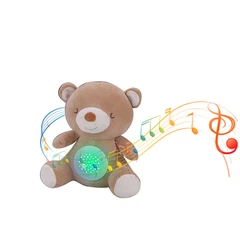
Successful T5-based AI plush toys tend to follow some proven hardware best practices. Aim for a medium-sized body, around 35 by 30 centimeters, with that enlarged head for optimal electronics placement and audio projection. The module design I mentioned earlier-spanning torso to head-makes maintenance straightforward for parents.
Battery life and safety go hand in hand. A well-chosen lithium-polymer pack gives kids plenty of playtime without making the toy too bulky or raising thermal concerns. Audio systems with independent chambers prevent muffled sound, which is essential when the toy is telling bedtime stories or singing songs.
Adding gyroscopes can let the toy react to being picked up or tilted, creating fun, responsive behaviors. Touch sensors open doors to petting interactions or simple games. Every component must meet stringent children's toy standards like CE, ROHS, FCC, ASTM F963, and CPSIA to ensure safety and market access.
These specs aren't just nice-to-haves-they directly impact how engaging and trustworthy the final product feels to families.


Strategic Thinking: T5 Today, More Flexibility Tomorrow
When deciding on a platform, many teams weigh the T5 ecosystem against more open alternatives, like dual-core Wi-Fi SoCs with custom AI integrations. The T5 excels in speed, stability, and ecosystem support, making it ideal for initial launches where you need reliable performance and fast feedback from real users.
Open routes offer greater long-term flexibility, potentially lower ongoing costs, and freedom from platform dependencies. They're often better for second-generation products once you've validated demand.
A smart phased strategy many companies follow is to launch with T5 for quick, stable market entry and user insights, while designing the plush shell, molds, and structure to be reusable for a future open-platform version. This minimizes redesign costs and positions the brand for scalability and innovation down the road.
The Bigger Picture: Why T5-Powered AI Plush Toys Matter Now
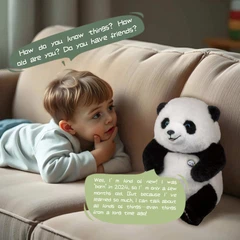
Voice interaction and emotional companionship are becoming central to how kids play and learn. Plush toys that can listen, remember preferences, tell personalized stories, and provide gentle guidance represent the next evolution in educational and entertainment products. The T5 chip provides a solid, balanced foundation that lets developers focus on creativity and user experience rather than fighting hardware limitations.
For brands entering this space, understanding T5 customization opens doors to products that feel magical yet practical. Parents get peace of mind from safety features and reliable performance, while kids gain a friend that grows with them.
Looking ahead, as AI continues to advance, platforms like the T5 will help drive more sophisticated interactions-maybe even multimodal experiences combining voice with gestures or visuals in future iterations. The key is starting with technology that works today while keeping an eye on tomorrow's possibilities.
Whether you're a toy manufacturer scaling up production, a developer prototyping the next big hit, or a brand looking to differentiate in a crowded market, diving into T5 chip customization offers a practical path forward. It combines technical reliability with the creative freedom needed to build plush toys that don't just entertain but truly connect with children in meaningful ways.
The future of play is interactive, intelligent, and incredibly soft-and chips like the T5 are helping make that future a cuddly reality on store shelves and in kids' bedrooms around the world.