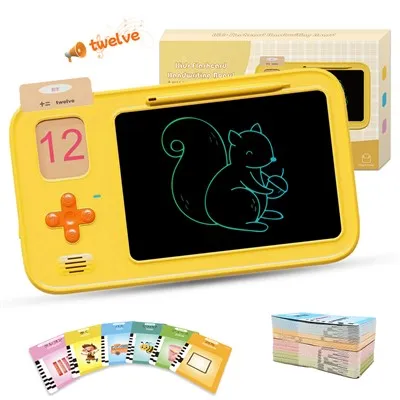
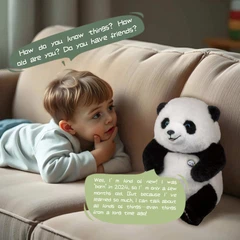
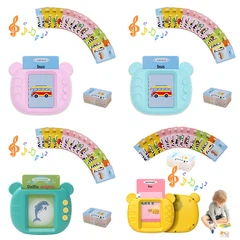
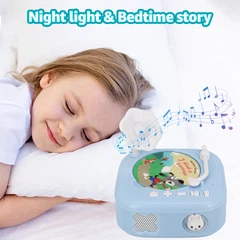

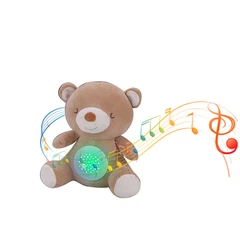





In the R&D lab of Shenzhen New Dietai Electronics, a plush teddy bear is making expressive faces at a group of engineers - when a tester pretends to cry, the bear's eyes instantly droop with a concerned look; when someone laughs heartily, its eyes immediately curve into crescent moons and give a playful blink. This is not a scene from a sci-fi movie, but a daily test of the "AI Emotion Eyes" technology.
From "Listen and Talk" to "Understanding Your Feelings"
Traditional smart toys can only engage in simple voice interactions. A child says "hello," and it replies "hello" - like a cold repeater. Toys equipped with "AI Emotion Eyes" this one-way output model.
At the core of this technology is an emotion perception algorithm that integrates acoustic feature analysis with semantic understanding. When a child says, "I'm not happy today" in a tearful voice, the toy captures not just the words, but also the sobbing tone, changes in speaking speed, and even subtle pauses. Using this multi-dimensional data, it can accurately determine whether the child is sad, excited, or confused - much like how humans intuitively read a friend's emotions.


Recognition is only the first step; the real magic lies in response. When a child cries after falling down, the AI plush toy lowers its eyes and plays soothing music in a gentle voice. When the child excitedly talks about fun moments in kindergarten, the toy widens its eyes, dilates its pupils, and shows curiosity and delight. This "empathetic interaction" makes the child feel: it really listens, it really understands me.
More Than Just "Eyes": Multi-Sensory Immersive Companionship
"AI Emotion Eyes" is so named because the eyes are the most intuitive window to emotions. Current products can already achieve over a dozen dynamic expressions: happy eyes curve into crescent moons with quick blinks, pupils dilate when surprised, eyelids slowly close when sleepy, and eyelids droop when sad.
But the ambition of this technology goes far beyond that. Combined with voice, touch sensors, and motion feedback, these toys are creating a multi-sensory immersive experience: hugging it makes its "heart beat faster," petting its head makes it squint with pleasure, and its expressions change with the storyline when listening to a story. For young children who cannot yet fully express themselves with language, this "non-verbal" form of communication is actually more direct and provides a greater sense of security.


More Than Just "Companionship": An Invisible Coach for Children's Emotional Education
The value of "AI Emotion Eyes" is not just as a toy to entertain children - it could be the gateway to the next generation of children's emotional education.
Research shows that over 10 million children in China face issues of emotional neglect. In the fast-paced urban lifestyle, parents are busy with work, and children often face screens alone. An AI plush toy provides a neutral, patient, and non-judgmental listener - children can say things to it that they dare not say to their parents, learning to recognize and express their emotions through interaction.
An even more cutting-edge application is "emotion recognition games." The toy asks, "Guess how I'm feeling right now?" and then changes its eye expressions for the child to guess the answer, teaching children to observe and understand non-verbal emotional cues in a playful way. For children on the autism spectrum and other special needs groups, this low-pressure, repeatable "social practice" is becoming a powerful supplement to traditional interventions.
Warmth and Boundaries: The Ethical Concerns of Technology
Of course, any technology that touches "emotions" must be approached with caution. The biggest concerns for parents are: could this toy become a "data spy"? Will children become overly dependent on virtual companionship?
Reassuringly, most manufacturers are already aware of these issues. Current "AI Emotion Eyes" products generally use pure voice interaction - no camera is installed, significantly reducing privacy risks. Some offer an "offline privacy mode" where all data is processed locally and not uploaded to the cloud. A parent management app can monitor usage time, filter inappropriate content, and generate children's emotional development reports. Technology should be a bridge, not a barrier.