Market Overview and Growth Projections
The educational toys segment dominates the global toy market, accounting for 27% of the total $121.3 billion industry in 2025. With a projected 6% CAGR, the broader toy market will reach $217.2 billion by 2035, but specialty educational segments show even stronger momentum:
Preschool educational toys (ages 0-5): $10.84 billion market (2024), growing to $13.74 billion by 2031 at 3.5% CAGR
STEM/learning toys (all ages): Accelerating toward $54.14 billion by 2030 at a robust 7.2% CAGR
Sensory toys: Fastest-growing niche at 8.5% CAGR (2025-2032), driven by therapeutic applications for neurodiverse children
The first half of 5 demonstrated remarkable recovery, with global toy sales up 7% year-over-year. Building sets (+12%) and games/puzzles (+36%) led growth, reflecting demand for skill-development toys. Licensed educational toys (e.g., STEM-themed characters) surged 17%, now representing 35% of sales.
Key Market Drivers

1 Parental and Educational Shifts
85% of parents globally prioritize toys combining entertainment with developmental benefits
Rising early education investment: 35% of middle-class families spend >$200 monthly on educational products
School integration: Teachers increasingly use educational toys as teaching aids for STEM and social skills
2 Technological Innovation
Smart connectivity: 45% of new educational toys feature app integration for progress tracking (2024)
AI-powered tutors: Early-learning robots (e.g., Lego's coding kits) personalize challenges based on child's ability
Sustainable materials: Non-toxic, biodegradable components now influence 68% of parental purchases
Demographic and Economic Forces
1.1 billion children aged 0-6 worldwide create massive addressable market
Asia-Pacific dominance: China accounts for 25%+ of global educational toy consumption, growing at 9% annually

1 Infants (0-12 months): Sensory Foundations
Touch exploration: Textured balls, fabric books with crinkle paper
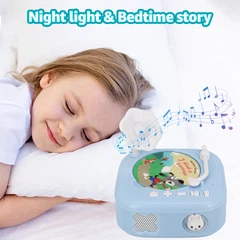
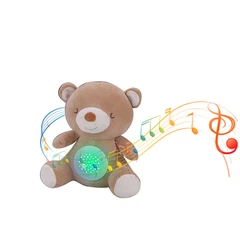
Auditory development: Musical mobiles, sound-producing rattles
Cause-effect learning: Push-activated lights/sound toys
2 Toddlers (1-3 years): Motor Skill Builders
Fine motor development: Large knob puzzles, shape sorters
Balance coordination: Push carts, weighted sensory balls
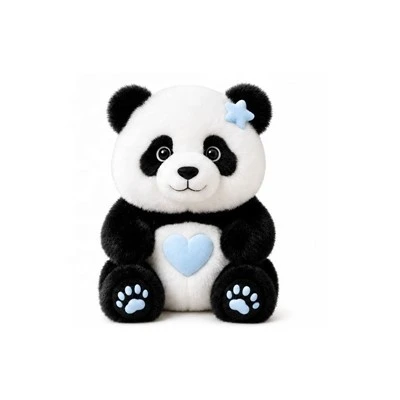
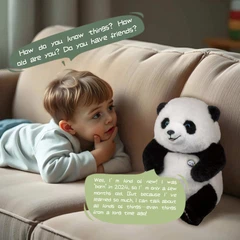
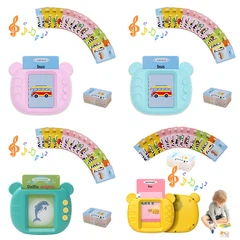
Language starters: Picture cards, talking stuffed animals
3 Preschoolers (3-5 years): Creative Problem-Solving
STEM foundations: Magnetic tiles, simple gear sets
Role-playing: Doctor kits, grocery stands for social-emotional growth
Puzzles: 20–50 piece jigsaws to develop spatial reasoning
4 School-Age (6+ years): Critical Thinking
Coding kits: Programmable robots (e.g., Lego Mindstorms)
Scientific experimentation: Chemistry sets, microscope kits
Strategy games: Chess, resource-management board games
Market Trends Reshaping the Industry
The "Big Child" Effect
Teen/adult buyers now drive 40% of growth for complex building sets and collectibles
Intergenerational play: 62% of parents purchase educational toys they enjoy using with kids
Digital-Physical Hybridization
App-enhanced learning: Physical toys + companion apps (e.g., Osmo's drawing system)
AR integration: Flash cards revealing 3D animal models via smartphone cameras
Therapeutic Applications
Sensory toys for neurodiverse children: Weighted blankets, fidget tools, calm-down bottles
Occupational therapist partnerships: Brands like Melissa & Doug co-develop clinical tools