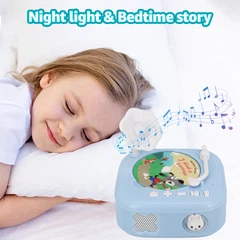
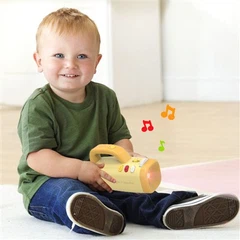
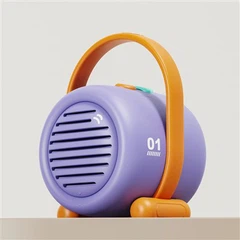
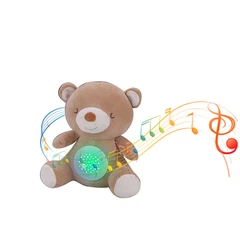
For parents, teachers, and therapists raising or educating children with Autism Spectrum Disorder (ASD), Attention Deficit Hyperactivity Disorder (ADHD), Sensory Processing Disorder (SPD), or other special needs, finding tools that effectively soothe emotions and promote development is an ongoing quest. Sensory play toys, designed specifically to address these core challenges, transcend the category of ordinary toys to become a key bridge connecting a child's inner world with the external environment.
Why is Sensory Play Crucial for Children with Special Needs?
Many children with special needs experience differences in how they process sensory information compared to neurotypical children. They may be hypersensitive (experiencing pain, avoidance) or hyposensitive (seeking intense sensory input) to stimuli like light, sound, or touch. These differences often lead to:
Increased Emotional Dysregulation: Prone to anxiety, frustration, or meltdowns.
Difficulty Concentrating: Easily distracted by irrelevant stimuli or unable to focus due to insufficient sensory input.
Challenges with Social Interaction: Sensory discomfort hinders participation in activities.
Poor Self-Regulation: Difficulty managing emotions and behavioral states.

Core Value of Sensory Play Toys: Calming Meets Education
Emotional Calming & Self-Regulation:
Stress Relievers: Provide controlled sensory input (e.g., squeezing, stroking, weight) to help release tension, anxiety, and excess energy, returning to a calm state. For example, a weighted compression vest or squeezable stress ball offers deep pressure input, creating a calming effect similar to a hug.
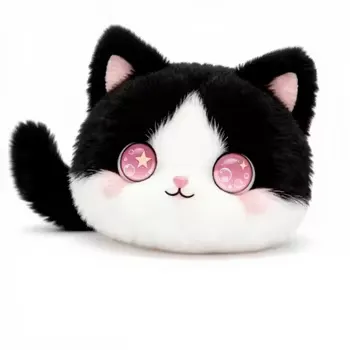
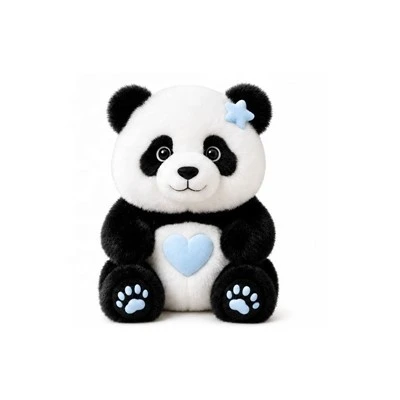
Safe Outlet: When feeling overwhelmed, familiar sensory toys (like textured fidget cubes, chewelry) become safe comfort objects, enabling self-soothing and preventing harmful behaviors (e.g., self-injury).
Improved Focus: By meeting specific sensory needs (e.g., vestibular input from a rocking chair, proprioceptive input from push/pull toys), children can better filter out distractions, preparing for learning and task execution.
Sensory Integration & Development:
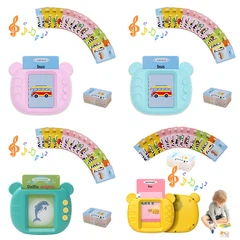
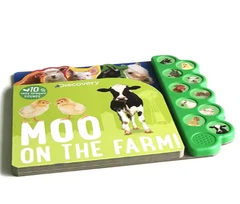
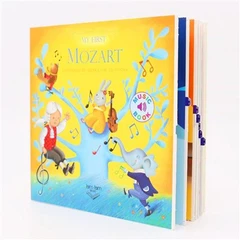
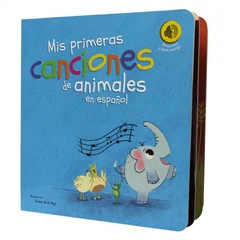
Neurological Training: Toys offer diverse sensory stimuli (visual, auditory, tactile, proprioceptive, vestibular), helping the brain organize and integrate this information more effectively, improving body awareness and coordination. For instance, exploring different textures (rice, beans, water beads) in a sensory bin enriches tactile experiences, talking falsh cards , "By combining dual sensory input of visual and auditory stimuli, it significantly enhances learning outcomes, making it particularly beneficial for language learning, children's education, and memory training."

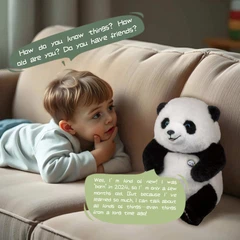
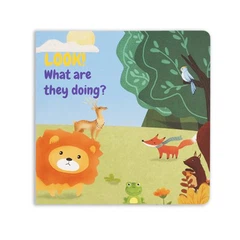
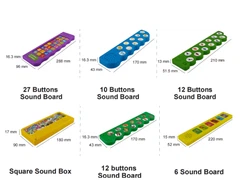
Reducing Sensitivities: Gradual exposure to gentle stimuli (e.g., playing with glowing/color-changing toys, listening to soft-sound toys,kids story machine ) in a safe, fun environment helps decrease hypersensitivity to specific sensations.
Cognitive & Skill Building:
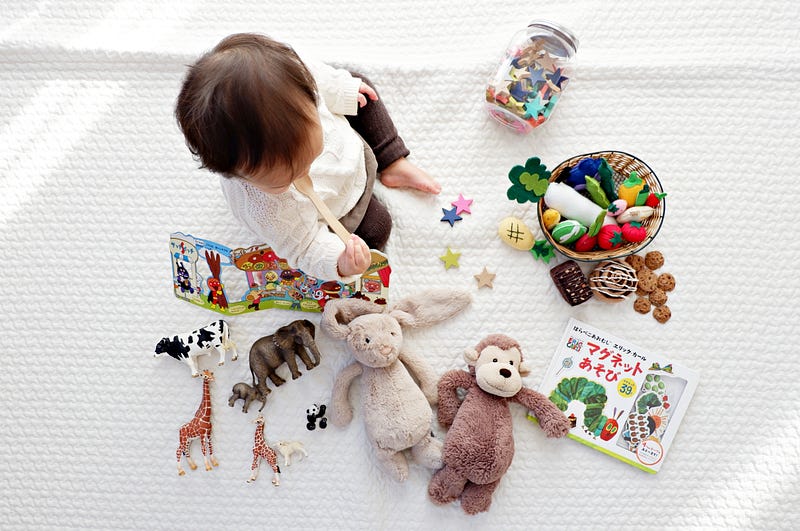
Learning Catalyst: Sensory experiences are foundational for cognitive development. Manipulating sensory toys (e.g., shape sorters, textured puzzles) helps children naturally learn concepts like colors, shapes, sizes, textures, and cause-and-effect.
Language & Communication Bridge: Shared sensory play experiences (e.g., building together in a sand tray, describing sensations) create rich contexts and motivation for language expression.
Fine & Gross Motor Development: Operating twist toys, stacking sensory blocks hones hand-eye coordination and fine motor skills; pushing/pulling heavy toys or playing on a balance board promotes gross motor skills and balance.
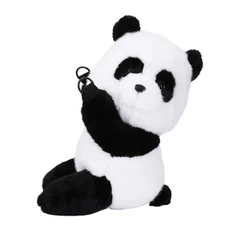
Social Skills Practice: Structured or guided group sensory activities (e.g., sound plush toy Blow & Glow Dino Challenge: Build Friendships Through Play!
Blow into your musical light-up dinosaur and see who makes it glow the brightest! This fun, interactive game encourages friendly competition while helping kids bond and build social skills through shared sensory fun.

Choosing Effective Sensory Toys for Children with Special Needs
Focus on Individual Needs: This is key! Observe if the child is a sensory seeker (craves movement, deep pressure, touching everything) or a sensory avoider (overwhelmed by noise, resists touch). Choose toys that specifically meet their needs (provide input for seekers, offer calming/gentle exploration for avoiders).
Consider Sensory Channels: Where does the child need the most support? Tactile (textured toys, squishies), Vestibular (rocking chair, spinner), Proprioceptive (weighted blanket, wagon), Visual (fiber optic lamp, sand art table), Auditory (white noise machine, sound toys)?
Safety First: Non-toxic materials, no small part hazards, easy to clean/sanitize. Ensure chew toys meet food-grade safety standards.
Age-Appropriate & Engaging: Select toys matching the child's developmental level and interests to encourage active participation.
Consult Professionals: Occupational Therapists (OTs) or Physical Therapists (PTs) provide invaluable assessments and recommendations for toys best suited to the child's current goal

Conclusion: Sensory Toys – Pathways to Calm and Understanding
Sensory play toys are far more than simple diversions. For children with special needs, they are essential tools, acting as critical supports that help them understand themselves, manage emotions, explore the world, and ultimately reach their learning and social potential. By carefully selecting toys that match a child's unique sensory profile and using them within a nurturing, supportive environment, parents, educators, and therapists can build a strong bridge towards inner calm, sensory integration, and holistic development. Investing in appropriate sensory toys is an investment in a child's present well-being and future growth.
Here are some articles related to the importance of sensory play for children with special needs:
"What is the Popular Science Knowledge of Sensory Training in Children's Rehabilitation": Published on Xiaohe Medical Code, the article points out that sensory training refers to helping children develop and improve the functions of their sensory organs such as vision, hearing, and touch through targeted activities and stimuli. It is crucial for children's growth and development, as it can promote brain development, enhance motor coordination, improve emotions and behaviors, and strengthen learning abilities, etc.
"Loved Sticking Hands into Rice Jars as a Child? This Has Long Been a Required Course in American Kindergartens": Published on Bao'er Beibei Guan, the article mentions that sensory play can stimulate the development of babies' brain nerves and promote the development of babies' language, cognition, social skills, fine motor skills and other aspects.
"Special Children Need 'Special Games'": Published on China Education News Network, the article, aiming at the characteristics of children with special needs such as visual impairment, hearing impairment, intellectual disability and autism, expounds the suitable types of games and ways to play for them. For instance, visually impaired children can establish an ear-hand learning chain by shaking a bell, so as to cultivate the habit of exploring the external world with their hands; children with intellectual disability can exercise muscle flexibility and nerve coordination through gross motor games and fine motor games, etc.
"Sensory Integration Training Equipment": Published on Douyin Encyclopedia, it introduces the role of sensory integration training equipment. For example, it can provide children with multiple stimuli such as vision, hearing, smell and touch at the same time, and combine these stimuli with sports. It has obvious effects in improving children's concentration, motor coordination and academic performance.