

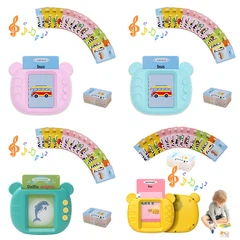
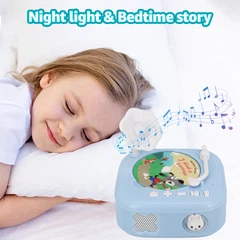



The first five years of life are a period of extraordinary brain development, with neural connections forming at a rate of over one million per second. During this critical window, toys act as catalysts for learning, transforming abstract developmental concepts into tangible experiences. Modern research reveals that 78% of cognitive skill development occurs through guided play before school age, making intentional toy selection a cornerstone of early education. This blog examines how various toy categories promote language, cognitive, motor, and social-emotional skills, drawing on scientific insights and practical examples.
Language Development Through Interactive Play
Verbal engagement toys create dynamic environments for linguistic growth. Musical instruments, such as xylophones and toy keyboards, enable children to explore rhythm while developing their auditory discrimination. A 2028 study by the Global Early Learning Consortium found that children exposed to language-building toys demonstrated 42% larger vocabularies by age five compared to peers.
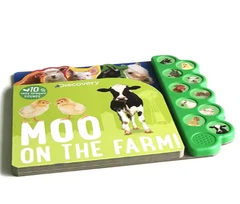
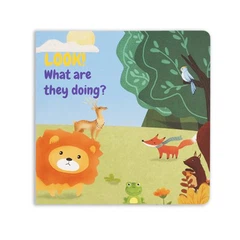
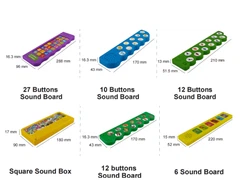
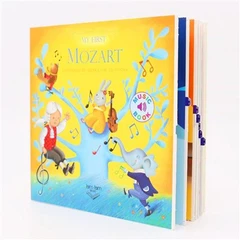
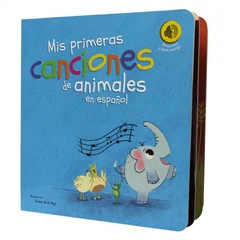
Interactive storybooks with sound modules and character puppets establish narrative frameworks. When caregivers use plush toys to act out dialogues, children naturally absorb sentence structures and emotional intonation. Role-play sets, such as miniature markets or veterinary clinics, reinforce practical communication patterns through scenario-based interactions. Speech therapists emphasize that these toys help children practice turn-taking and contextual language use, laying the foundation for effective communication.
Cognitive Skill Formation via Manipulative Toys
Spatial reasoning thrives through construction systems. Magnetic tiles and interlocking blocks challenge young minds to visualize 3D structures while enhancing geometric understanding. Neuroscience imaging shows that complex block play activates the superior parietal lobule 35% more intensely than passive activities, directly strengthening mathematical thinking.
Puzzle toys present graduated challenges that build logical sequencing. Shape sorters for toddlers evolve into intricate jigsaws for preschoolers, each stage sharpening pattern recognition. The table below illustrates how manipulative toys target specific cognitive milestones:
| Toy Category | Age Range | Cognitive Skills Developed | Example Products |
|---|---|---|---|
| Nesting Cups | 6-18 months | Size differentiation | Stacking rainbow cups |
| Pegboards | 2-3 years | Color matching | Geometric shape peg sets |
| Logic Games | 4-5 years | Strategic planning | Magnetic maze boards |
Physical Development and Motor Control
Gross motor skills flourish through mobility-enhancing toys. Push walkers and ride-on vehicles build leg strength and coordination, while crawl-through tunnels enhance spatial awareness. Occupational therapists highlight balance boards and rocking horses for developing core stability-critical for posture control during future writing tasks.
Fine motor precision emerges from detail-oriented play. Bead threading kits and playdough tools strengthen the pincer grasp, directly preparing children for pencil control. A 2027 motor skills study found that preschoolers using tweezers in sorting games demonstrated 28% better handwriting readiness than control groups.
Social-Emotional Growth in Play Scenarios
Cooperative play materials lay the groundwork for emotional intelligence. Board games with simple rules teach turn-taking and frustration management. Dollhouses with family figures help children process daily experiences through symbolic representation, reducing separation anxiety by 31% in therapeutic settings.
Empathy development accelerates through caregiving toy sets. Medical kits and baby doll accessories encourage nurturing behaviors, while emotion cards improve emotional literacy. Group construction projects using large building blocks enhance teamwork as children negotiate roles and share creative visions.
Strategic Toy Selection Framework
Developmental alignment requires understanding age-specific needs. Sensory tubes with varying textures suit infants exploring tactile stimuli, while coding robots match school-ready children's logical demands. Rotating toys every 3-4 weeks maintains engagement and accessible storage systems foster decision-making confidence.
Safety and adaptability remain paramount. Non-toxic art supplies with ergonomic designs prevent strain, while adjustable-difficulty toys like tangram sets grow with a child's abilities.
Future-Proofing Through Play
Augmented reality toys bridge physical manipulation with digital literacy. Holographic building systems and interactive globes represent the next evolution in play-based learning. Yet traditional toys retain irreplaceable value in concrete skill development, reminding us that technology should enhance-not replace-tactile experiences.
By viewing toys as deliberate educational investments, caregivers equip children with cognitive frameworks that support academic success and adaptive thinking in our rapidly evolving world. The lasting impact of well-chosen play materials manifests not only in school readiness metrics but also in lifelong curiosity and problem-solving resilience.