




I.Visual Appeal: The "Eye-catching Rules" of Color and Shape
1. High-saturation Colors and Dynamic Color Matching
Vivid and Bright Colors: Children are highly sensitive to high-saturation colors like red, yellow, and blue, which can quickly attract their attention. For example, LEGO's classic red-yellow-blue building block sets and Barbie's pink-themed packaging both stimulate children's interest through colors.
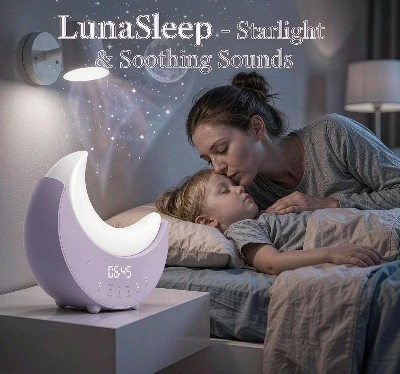
Gradient and Light-shadow Effects: Toys with gradient colors or light-shadow changes (such as glowing tops, musical building blocks with LED lights Animation music projection ) can enhance attractiveness through dynamic visual stimulation, especially popular among 3-6-year-olds.

II.Products Description
2. Anthropomorphic and Exaggerated Shapes
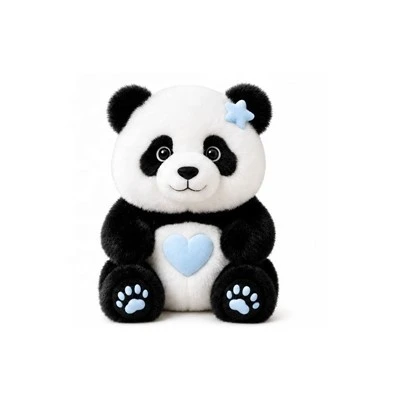
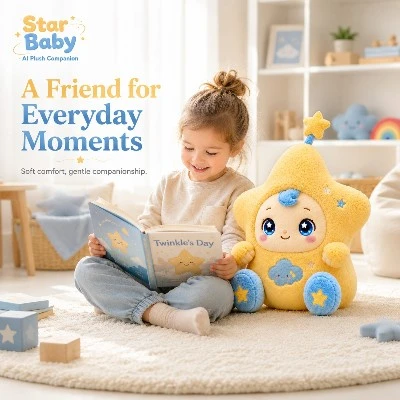
Cute Anthropomorphic Shapes: Cartoon images with big eyes and round lines (such as Peppa Pig dolls, Hello Kitty peripherals) conform to children's cognition of "cuteness" and easily generate emotional resonance.
Exaggerated Proportions and Fantasy Elements: Dolls with oversized heads, "transformable" robots (such as Transformers), and characters with wings or magic elements (such as Disney princesses) can satisfy children's imagination of a fantasy world.
1. Operable Functional Design
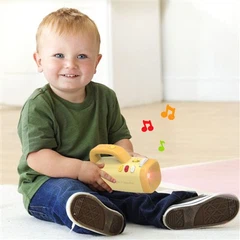
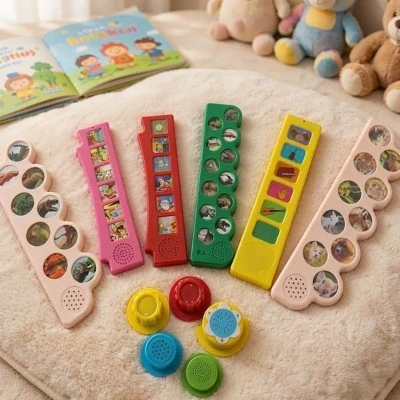
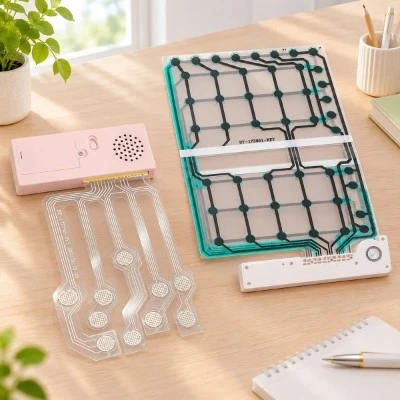
Audio-visual Interaction and Feedback: Press-activated sound toys (such as Talking Tom Cat , talking panda ) and musical keyboards with button lights enhance fun through instant sensory feedback, suitable for 1-3-year-olds.
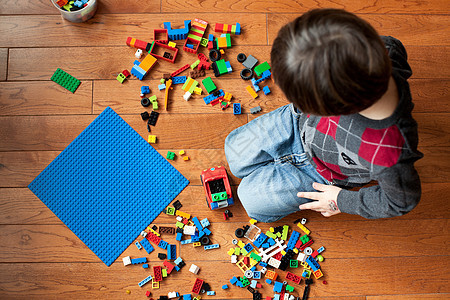
Modular and Detachable Structures: Detachable toy cars and assemblable dinosaur models allow children to gain a sense of accomplishment in "destruction-reconstruction" and exercise hands-on ability (such as Bruco large-particle building blocks).

2. Role-playing and Scene Simulation
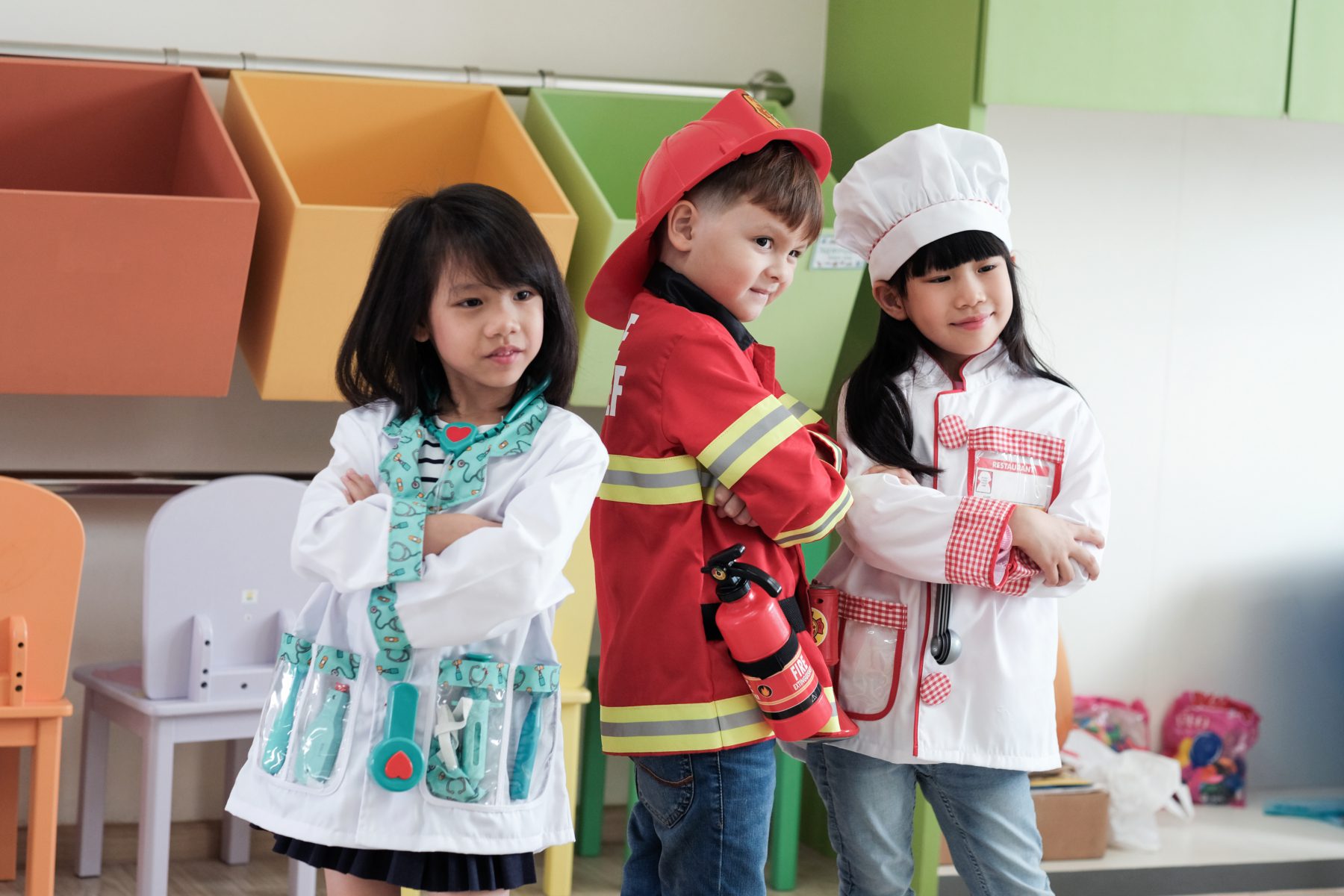
Playhouse Scene Toys: Kitchen sets, medical kits, supermarket cash registers, etc., support children in imitating adult life and meet the needs of social interaction and imagination development (such as VTech's "Happy Kitchen" series).
Immersive Plot Interaction: Storyline-based toys (such as the "Disney Princess storybook + doll" combination) or toys that require children to participate in puzzles (such as children's version of escape rooms) can enhance (substitution feeling).
III. Sensory Stimulation: Multi-dimensional Experience to Enhance Attraction
1. Tactile Satisfaction of Materials
Soft and Smooth Texture: The fluffy fabric of plush toys and the delicate touch of silicone teething toys bring a sense of security to infants (such as Fisher-Price's (sound and light seahorse)); smooth plastic building blocks are suitable for older children to operate.
Differentiated Touch Contrast: Cloth books with multiple materials such as fluff, granules, and smooth surfaces (such as the Guess Who I Am series) help children recognize different touches.

2. Auxiliary Design of Sound and Smell
Crisp and Pleasant Sound Effects: The rustling sound of rattles and the melody of toy pianos can stimulate auditory development, especially loved by 0-2-year-olds.
Fun Scent Elements: Some toys (such as "strawberry-flavored" play food) add safe fragrances to enhance the immersive experience through smell (must comply with national safety standards to avoid allergy risks).
IV. IP and Emotional Connection: From "Toy" to "Companion"
1. Characterized Design of Popular IPs
Toys from Animated/TV Works: Airplane dolls from Super Wings, transformers from Ultraman, etc., establish emotional bonds through familiar IP images and form a "fan effect".
Customizable Character Toys: Dolls with replaceable clothes and DIY facial expressions (such as American Girl dolls) allow children to gain a sense of "exclusivity" and increase interaction frequency.
2. Social Attributes and Sharing Functions
Multi-player Collaborative Toys: Large building block tables, team board games (such as the children's version of Monopoly), support parent-child or peer play together to meet children's social needs.
Displayable and Collectible Designs: Blind box figures (such as Pop Mart), model toys with display boxes, attract children (especially teenagers over 8 years old) by taking advantage of "scarcity" and "collecting desire".

V. Education and Growth: The Hidden Need of "Learning While Playing"
1. Cognitive Enlightenment Elements
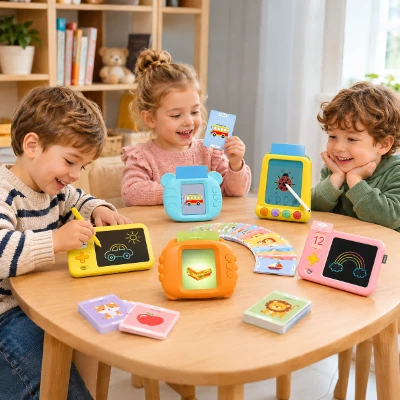
Cognition of Shapes/Colors/Numbers: Inlay toys, number matching cards, help children learn basic concepts through gamified design (such as (Guyu's "multifunctional game table")).
Scientific Experiments and Exploration: Children's microscopes, chemistry experiment sets, integrate knowledge into play to satisfy the exploration desire of children over 6 years old (such as ThinkFun's "Circuit Maze" toy).
2. Ability Cultivation Orientation
Fine Motor Training: Bead stringing, bean clamping toys, exercise small hand muscles; skipping ropes and balance bikes target gross motor development (suitable for 3-6 years old).
Logical Thinking Challenges: Maze toys, puzzles, programming robots (such as UBtech's Jimu robot), improve thinking ability through task-based gameplay.
VI. Safety and Durability: The "Invisible Plus" from Parents' Perspective
Although children may not directly perceive it, safe and easy-to-clean designs indirectly affect usage frequency:
No sharp edges, detachable parts ≥3cm (to avoid swallowing risks);
Materials such as food-grade silicone and environmental water-based paint (such as Babycare's teething toys);
Easy-to-wipe surfaces (such as plastic playhouse toys), meeting parents' hygiene needs and thus more likely to be purchased.
Conclusion: The Core Logic of Children's Toy Design
Children's love for toys essentially stems from the pursuit of "fun, interactivity, and emotional satisfaction". Whether it is a brightly colored shape, a sound-light function, or a familiar IP character, the design should focus on children's sensory experience, cognitive development, and emotional needs, while taking into account parents' considerations of safety and education. For example, LEGO has become a cross-age classic case by combining "color + modularization + IP co-branding" (such as the Marvel series building blocks), which not only attracts children to play actively but also meets parents' expectations for cultivating creativity.