




What Is Toy Packaging Engineering?

Toy packaging engineering is the discipline that decides whether a product survives the journey from our factory to your warehouse and whether it sells once it reaches the shelf. It covers three jobs that are usually owned by three different people: the transit pack has to survive drop, vibration and warehouse stacking; the retail pack has to present and demonstrate the product in the few seconds of attention an aisle allows; and the outer case has to earn its keep against freight cost, because what you ship is volume as much as weight.
What makes toy packaging engineering a structural subject rather than a graphic one is that the outcome is decided by board grade, flute, closure style, insert geometry, product geometry and carton utilisation. None of those are artwork decisions. A colour box that prints beautifully and fails a drop programme is not a printing problem; the fix is a different board, closure or insert.
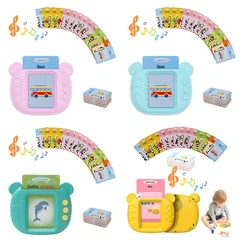
For a talking flash card programme the stakes are unusually specific. The product is a shallow reader body of roughly 25 x 18 x 3 cm plus a deck of 400gsm laminated cards, and the deck is usually the heaviest and most damage-prone element in the carton. Cards bend, corners soften, and a loose deck loads the reader and the slot every time a case is handled. Those failures reach a buyer as review scores, as claims, and as a conversation about whether the range gets a second season.
Read toy packaging engineering as a schedule rather than as a drawing. The carton print plate, the translated manual, the marketplace dimension field and the test report are four separate documents with four separate owners, and they do not close on the same day. The most common toy packaging engineering failure is not a weak box. It is a sound box printed from a file somebody changed after the test was run, which leaves you with goods that no longer match their own documentation.
As an OEM/ODM manufacturer of talking flash cards since 2010, we treat toy packaging engineering as a specification with an owner and a freeze date, not as the last task before shipment. Board, insert, dieline and pack-out sequence are declared before tooling starts, so the carton that arrives describes the unit it carries.
How Toy Packaging Engineering Turns Into a Purchase Decision

Toy packaging engineering is settled in five places, and each one has a fixed slot on the project calendar. None of them is the artwork.
Dimension A → Declare the transit environment before you choose a board: Who ships it, by which mode, through how many handling points, floor-stacked or racked, and whether it enters a fulfilment network with its own handling profile. That profile is what decides board grade, flute and closure, and it differs between a palletised retail order and a parcel network. We issue STP design files within 3 days of a frozen brief, so product geometry and pack geometry are designed in the same week instead of one chasing the other.
Dimension B → Design the pack around the product geometry, not after it: A flat body is the single biggest advantage this category has. Card slot, card deck, reader, USB or SD access and battery compartment all sit in one plane, which keeps the gift box shallow and lets an outer case carry more units per cubic metre. We produce 3D printed proof parts within 3 days, so slot fit and deck retention are checked on a printed part rather than discovered on steel.
Dimension C → Write the pack-out behaviour into the programme white paper: How many cards ship inserted and how many in a separate wrap, which way the deck faces, what the unit does the first time a consumer opens it, plus volume steps and timer logic. The programme white paper is completed within 3 days. It belongs in a toy packaging engineering conversation because pack-out sequence, printed warnings and firmware behaviour are all part of the same declared configuration.
Dimension D → Test the unit you are actually going to pack: A drop programme run on a hand-built sample does not describe a shipment, and this is where a toy packaging engineering file most often stops matching the goods. A PCBA sample is ready within 5 days, and that is the configuration we pack, drop and ship.
Dimension E → Freeze the artwork before tooling and before bulk: Exclusive tooling is completed within 30 days and mass production within 30 days of approval. Carton print plate, manual translation sign-off and marketplace dimension fields all close before first article, because after that a text change is a reprint and a geometry change is new steel.
Key Features of Toy Packaging Engineering for Talking Flash Cards

1. Board Grade and Closure Chosen Against the Drop Programme
Feature: carton board grade, flute, closure style and insert geometry are named items on the packaging bill of materials, each recorded against the transit profile it was selected for, which is how a toy packaging engineering decision stays auditable after the order ships.
Advantage: the pack is specified for a journey rather than for a price per box. A substitution then has to pass through a change event, so it cannot happen silently inside a purchase order.
Benefit: fewer damaged arrivals, fewer marketplace claims, and a review score that reflects the product instead of the box it travelled in. In this category the two most expensive reviews a listing can receive are cards that arrive bent and a reader that will not seat a card; both are toy packaging engineering outcomes, not product defects.
Evidence: ISO9001-documented incoming material control, AQL 1.0 inspection across a daily capacity of 20,000+ units, and 2 quality engineers working alongside a 10-person QC team.
2. The Insert Is a Structural Part, Not Padding
Feature: a formed insert that holds the reader and the card deck separately, restraining the deck on all four edges so it cannot migrate during handling.
Advantage: the deck cannot press into the reader or load its own corners in transit, and the slot stays in registration, which keeps recognition reliable after a long journey.
Benefit: a lower damage rate without adding board weight, and an opening sequence that photographs well. Demonstrability at goods-in is the cheapest conversion lever a retail pack owns, because the customer photograph becomes the next customer's evidence.
Evidence: 3 structural and design engineers, 3D printed proof parts within 3 days so insert geometry is validated before tooling, and 400gsm laminated card stock produced on our own print line.
3. Flat Geometry Is a Freight Decision
Feature: a reader body at roughly 25 x 18 x 3 cm, a shallow gift box, and an outer case sized to a pallet footprint rather than to a convenient number.
Key functions include:
• carton utilisation calculated in units per outer case and cases per pallet, not in box dimensions alone
• dimensional weight checked before the dieline is drawn, for any channel that charges on volume
• one case format serving several colourways, so a mixed order does not split the print minimum
Advantage: a flat pack carries more saleable units per cubic metre than a deep one, and volume is what a freight quotation charges for. Depth is a recurring cost, not a one-off.
Benefit: lower landed cost per unit and lower fulfilment fee per unit, which lands directly on contribution margin. A few centimetres of unnecessary box depth is a cost you pay on every single reorder.
Evidence: 120+ countries and regions shipped, 1,000,000+ units manufactured cumulatively, and 2 graphic designers holding dielines and artwork as versioned files.
4. The Card Pack Is a Second SKU Without a Second Programme
Feature: supplementary card packs produced as printed matter on the same 400gsm laminated stock, quoted separately from the reader.
Advantage: a new card pack involves no tooling, no electronic content, no certification cycle and no firmware change, so it is the cheapest new item you can add to a range.
Benefit: refill revenue with almost no inventory risk. A failed small-language or themed experiment leaves you with paper rather than with dead boards, which turns a market test from a commitment into a trial.
Evidence: 200+ card capacity with 138 preloaded cards across six themes, printed on our own line and quoted separately from the reader MOQ.


5. Window, Try-Me and Shelf Demonstrability
Feature: retail carton options including a window panel and a hang tab, with a pack-out that presents the insert-a-card action in the first opening movement.
Advantage: the product demonstrates itself with no power, no staff and no screen, which matters because this category sells on a physical action that a closed box does not explain.
Benefit: higher conversion off the shelf and fewer returns from buyers who did not understand what they had bought. It also reduces dependence on marketplace video, the most expensive asset a listing carries.
Evidence: around 10 new products developed each year with retail pack options, and OEM and ODM each around half of our business, so pack formats are tested against live shelf programmes rather than in isolation.
6. One File Per SKU, With Three Freeze Dates
Feature: carton dieline, manual and instruction translations, marketplace dimension fields and the traceability code held as one versioned document set per SKU.
Advantage: the unit, the carton, the report and the listing all carry the same identity, so a mismatch is caught before shipment instead of at goods-in.
Benefit: no reprint, no relabelling at destination, and no listing that goes quiet in the week the container was supposed to start selling. This is the point where toy packaging engineering stops being a cost line and becomes schedule insurance.
Evidence: artwork and dielines managed as versioned files by 2 graphic designers, traceability coding linking carton to production lot and sealed sample, and 100% functional testing on every unit before packing.
B2B Applications: Where Toy Packaging Engineering Decides the Deal

The same toy packaging engineering decision reads differently depending on who signs the order. Here is what each buyer type should hold a supplier to, and where the packaging question stops being technical and starts being commercial.
1. Brand Owners - If you are building a differentiated early-learning range from zero, the pack is part of the brand, not a container for it. A shallow gift box, a deliberate pack-out sequence and a visible first action are what make a card system feel like a considered product rather than a bundle of paper. We start from your course structure and work backwards into a deck size, a slot geometry and a dieline, so the sequence you approved in a rendering is the sequence that ships. With around 10 new products a year and OEM and ODM at roughly half and half, the same team handles a bespoke reader and a re-shelled platform.
2. Large Supermarket and Chain Retail Buyers - This is the channel where packaging is inspected as a document set before it is inspected as a box. We arrive with BSCI and SEDEX social audit reports, ISO9001 quality management, CE (EN71) covering EN71-1, EN71-2 and EN71-3, EN 62115 for the electrical content, FCC Part 15 where a radio feature is present, RoHS, UKCA, and CPSIA with the supporting documents behind a children's product certificate, all of it under an AQL 1.0 inspection standard with 100% functional testing on every unit. On the packaging side specifically, we supply barcodes and carton marking, shelf-ready case formats, a reserved text zone for age grading, warnings and importer identity, and translated manuals managed as controlled files. Which items your own channel requires should be confirmed in your buyer's technical manual; we build to the requirement you bring us and document what we built.
3. Importers and Distributors - You need a standard SKU you can reorder without reopening the project. Our answer is a frozen toy packaging engineering specification: once board, insert, dieline and pack-out sequence are declared, repeat orders are built to that declaration and lot-coded. With 20,000+ units of daily capacity and 120+ countries and regions of export experience, replenishment needs no new development round, and the document pack travels with the goods.
4. Amazon and E-commerce Sellers - Your exposure is a listing that goes quiet in the week your container was supposed to start selling, and the two causes are dimensional weight and review scores. A flat reader body keeps the fulfilment fee low, and a formed insert plus 100% functional testing removes the two reviews that cost the most here: cards arriving bent, and a reader that will not seat a card. We hold the dimension fields and the carton artwork at the same revision, so what your account declares and what arrives are the same object.
5. Education and Kindergarten Chains - Institutional buyers ask a different question: how the item holds up across a term and how it is stored between sessions. That makes the deck the central toy packaging engineering problem rather than the reader. We specify card stock, deck restraint and storage format together, write a volume cap into the specification, and ship one content version per site. Institutions buy in sets, so the outer case matters as much as the gift box.
6. Gift, Museum and IP Licensing Programmes - Licensed volumes reward speed and punish variability, because one bad batch damages a programme rather than a SKU. A card pack is the lowest-cost licensed item you can produce: no tooling, no electronic content, no certification cycle and no firmware change, so a new theme is a print job rather than a development round. Where a licensed character is involved, we work only from a rights chain you can show us, and we treat the character voice as an approved asset with its own persona sheet rather than as something generated on the day.
OEM/ODM Customization Services for Talking Flash Cards

Product Design Customization
Design output is where a packaging decision becomes geometry, so we issue it early and in a form your own team can read.
• STP design files within 3 days of a frozen brief, covering reader body, slot geometry and battery compartment
• 3D printed proof parts within 3 days, so slot fit and card retention are checked on a printed part rather than on steel
• Deck size, card thickness and slot tolerance resolved together, because recognition accuracy is a tolerance question rather than a chip question
• Flat body kept deliberately shallow, so carton utilisation and dimensional weight are designed in rather than measured afterwards
Every design output lands in the packaging file, so a change made on screen is recorded before it reaches a cutting table or a print plate.
Hardware Customization
Hardware is where a card programme either stays one product or quietly becomes two, and where a toy packaging engineering file most often stops matching the goods.
• Optical or contact recognition path selected against your price point, with the reader built to the chosen path from the first sample
• Storage of 4GB to 16GB sized to your twelve-month language plan rather than to your first order
• USB or SD content update path, so a language addition is a content project rather than a hardware re-quote
• Own mould shop with 10 injection machines, exclusive tooling in 30 days and mass production in 30 days from approval
Software & Audio Content Customization
Audio is firmware, and firmware is part of the configuration that gets packed and declared. The programme white paper is completed within 3 days and freezes what the unit does before content is recorded.
• Playback logic, volume steps and timer behaviour documented as a controlled specification rather than left to the sample
• Native-speaker voice recording across six languages, with a persona sheet fixing tone, pace and form of address so a range sounds the same in every market
• Content version and language code burned into the unit and mirrored on the outer carton, so a mixed shipment is caught at goods-in
• PCBA sample within 5 days, so audio, storage, slot geometry and packaging are reviewed as one configuration instead of three
When audio is treated as a declared item, a new language becomes a content decision rather than a hardware re-quote.
Packaging & Compliance Customization
Toy packaging engineering is handled here as a controlled file with an owner, a revision number and a freeze date.
• Board grade, flute and closure selected against your declared transit profile, not against a price per box
• Formed insert holding reader and deck separately, validated on 3D printed parts before tooling
• Dieline and artwork versioned, with a reserved text zone for age grading, warnings and importer identity
• One case format with market-specific text zones, so an EU and a UK version do not split your print minimum
• Traceability coding linking carton to production lot and sealed sample, and the change rule stated in writing before tooling

Why Choose XINDITAI as Your Talking Flash Card Partner
Factory-Direct Manufacturing
Manufacturing since 2010, with a 5,000 square metre facility, our own mould shop and our own print line. That combination is what makes a toy packaging engineering file repeatable: reader, insert, deck and carton are held under one roof and one document set, so a specification is true across orders rather than true once.
• 10 injection machines and an in-house tool room, so insert and housing geometry can be corrected before steel is committed
• 3 structural and design engineers, 4 electronics engineers, 2 quality engineers, 1 AI content creator, 2 graphic designers and 10 QC on staff
• Daily capacity of 20,000+ units, with OEM and ODM each around half of our business
Global Export Experience
We have shipped to 120+ countries and regions, manufactured 1,000,000+ units cumulatively, and served 20,000+ customers through 100+ manufacturing partners. That volume is why we treat toy packaging engineering as a schedule: at this scale a late carton change is a container, not a sample.
• Certification set including ISO9001, BSCI, SEDEX, CE (EN71), FCC, RoHS, UKCA and CPSIA
• AQL 1.0 inspection with 100% functional testing on every unit before packing
• 7x24 sales response, and around 10 new products developed each year

Frequently Asked Questions About Toy Packaging Engineering
Q1: What is the minimum order quantity for a custom talking flash card?
MOQ depends on how much of the product is new, and toy packaging engineering splits the answer into three thresholds. A standard platform with your colour, artwork and audio content carries the lowest threshold because no tooling is involved. A bespoke reader body involves exclusive tooling, and amortisation works on units rather than on months, so we size the tool to your twelve-month forecast. Card packs are quoted separately, because their print minimum is a printing decision. Send the forecast and we will quote all three side by side.
Q2: Can you support a supermarket or chain retail compliance and packaging review?
Yes, and this is the channel we are most used to. We supply BSCI and SEDEX social audit reports, ISO9001 quality management, CE (EN71) covering EN71-1, EN71-2 and EN71-3, EN 62115 for the electrical content, FCC Part 15 where a radio feature is present, RoHS, UKCA, and CPSIA with the supporting documents behind a children's product certificate, under an AQL 1.0 inspection standard with 100% functional testing. On packaging we supply barcodes, shelf-ready case formats, translated manuals and a reserved text zone for age grading, warnings and importer identity. Which items your own channel requires should be confirmed in your buyer's technical manual; we build to the requirement you bring us and document what we built.
Q3: What data does a talking flash card collect, and where does it go?
The standard configuration has no camera, no microphone, no network path and no cloud account. Content plays locally from the storage on the board, so there is nothing to upload and no account for a consumer to create. Where a market needs an LLM-driven conversational feature instead of a fixed command set, we document it as its own configuration with a one-page data map covering what is collected, where it is processed, how long it is retained and how it is deleted. We claim no privacy certification we do not hold, and we will not describe a configuration we have not built.
Q4: How long does development take from brief to shipment?
STP design files in 3 days, 3D printed proof parts in 3 days, the programme white paper in 3 days, a PCBA sample in 5 days, exclusive tooling in 30 days, and mass production in 30 days from approval. Those windows only hold if the packaging file was closed before tooling started. The most common cause of a slipped date is not slow tooling; it is a carton text or insert decision reopened in week six.
Q5: Can you customise the packaging and keep the tooling private?
Yes. Exclusive tooling stays yours, and we confirm ownership in writing before steel is ordered. Toy packaging engineering is handled as a versioned file: dieline, artwork, carton marking and manual all carry the same revision, and we reserve a market-specific text zone so an EU and a UK version share one carton format and do not split your print minimum. That is the single cheapest way to serve two markets from one production run.
Q6: What happens if something goes wrong after delivery?
Warranty terms are fixed in the purchase contract rather than in a brochure, so what applies to your order is written down before it ships. Every unit passes 100% functional testing before packing, and lots are traceable to the sealed sample, the material records and the carton revision. If an issue appears, our sales team runs 7x24, and because the packaging file is versioned we can identify the affected revision and production window instead of asking you to quarantine the whole shipment.
Future Trends in Talking Flash Cards
1. Packaging moves from a cost line to a margin line - Buyers who still treat toy packaging engineering as the last task before shipment are paying for it in freight and fulfilment fees. What changes is that carton utilisation and dimensional weight are asked for in the first quotation round, alongside unit price.
2. The card pack becomes the refill business - Hardware is thin margin and printed matter is not. A supplementary card pack carries no tooling, no electronic content, no certification cycle and no firmware change, which makes it the cheapest new item a range can carry and the safest way to test a theme or a language. Expect ranges to be planned around a reader and a roadmap of decks rather than around a single box.
3. Demonstrability replaces explanation on the shelf - A closed box that needs a paragraph of text loses to a pack that shows its action in one movement. Window panels, pack-out sequence and an opening that reveals the insert-a-card gesture are becoming toy packaging engineering items rather than graphic preferences, because the customer photograph now does the selling that a shelf talker used to do.
4. Fewer platforms, more decks - The economics now favour one frozen reader platform carrying several decks, colourways and languages. It keeps the test plan short while letting a brand refresh a shelf without requalifying a new construction. The savings are not in the plastic; they are in the re-testing and re-tooling that never happen.
Conclusion: Start Your Talking Flash Card Project Today
Toy packaging engineering is best read as a schedule rather than as a drawing. Board grade, insert geometry, carton utilisation and dieline revision are four decisions, each free to change on a screen and expensive to change once a print plate exists and steel is cut. The most common toy packaging engineering failure is not a weak box; it is a sound box printed from a file that changed after the test was run. Which transit test methods and carton marking requirements apply in your destination should be confirmed with your own laboratory, notified body or local market authority against the current text.
If you are planning a talking flash card programme, send us the channel, the deck size and the twelve-month forecast. We will come back with a board and insert specification, a carton utilisation figure and a development calendar you can put in front of your buyer, so toy packaging engineering answers freight cost and shelf presentation in week one instead of at goods-in.
Contact Us
Contact: Zoey
WhatsApp: +86 13342950150
Email: xdt06@dtdianzi.com
Company: SHENZHEN XINDITAI ELECTRONIC CO., LTD | Website: www.kidsoundbook.com