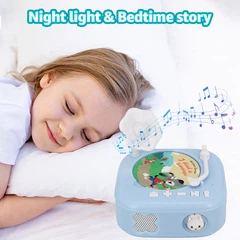
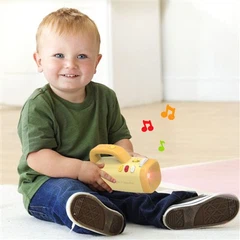
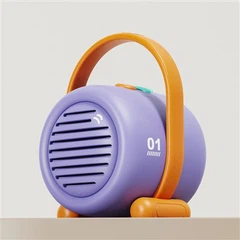
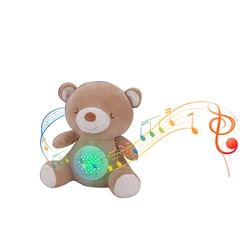
What Is Toy Factory Audit Checklist?

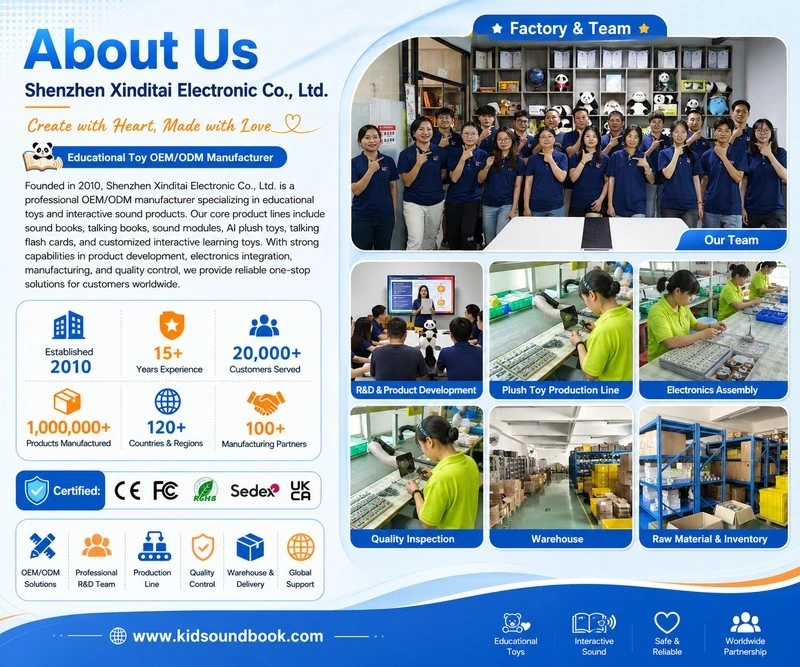
Toy factory audit checklist is the list of things a buyer verifies on a supplier's own floor before placing a production order, rather than the folder of certificates a supplier sends ahead of the visit. The certificates answer one narrow question: is this factory allowed to bid. The visit answers a harder one: can this line repeat the exact product you are buying at your promised volume, three months from now. A working checklist therefore walks the live line, pulls recent records and traces one finished unit back to a batch, instead of photographing a showroom shelf. A children's projector toy makes this sharp: what matters is not the enclosure but the optical alignment, the focus and brightness steps and the reel change a child performs every evening - none of which a certificate describes. As an OEM/ODM manufacturer in Shenzhen since 2010, we keep the running line, the test record and the change-control file open to buyer review, so those questions are answered with floor evidence, not a reissued PDF.
Buyers usually reach for a toy factory audit checklist from one of three directions: a first order with a new supplier, a retail programme that makes the factory part of the compliance story, or a reorder after a quality question nobody could narrow to a batch. All three are the same underlying problem. A certificate is a snapshot of a date; a line is a habit. The only way to tell whether the habit holds is to watch it, and to ask for yesterday's record rather than a sample built for the visit. That is why the checklist belongs in the brief, before tooling, and not in the calendar of a polite factory tour.
How Does a Toy Factory Audit Checklist Work?
Read a toy factory audit checklist as evidence of repeatable output rather than as a folder of certificates. A folder proves a supplier was auditable on a given date; evidence from the floor proves the same line can build a Kids Story Projector to the same file next month and next season.
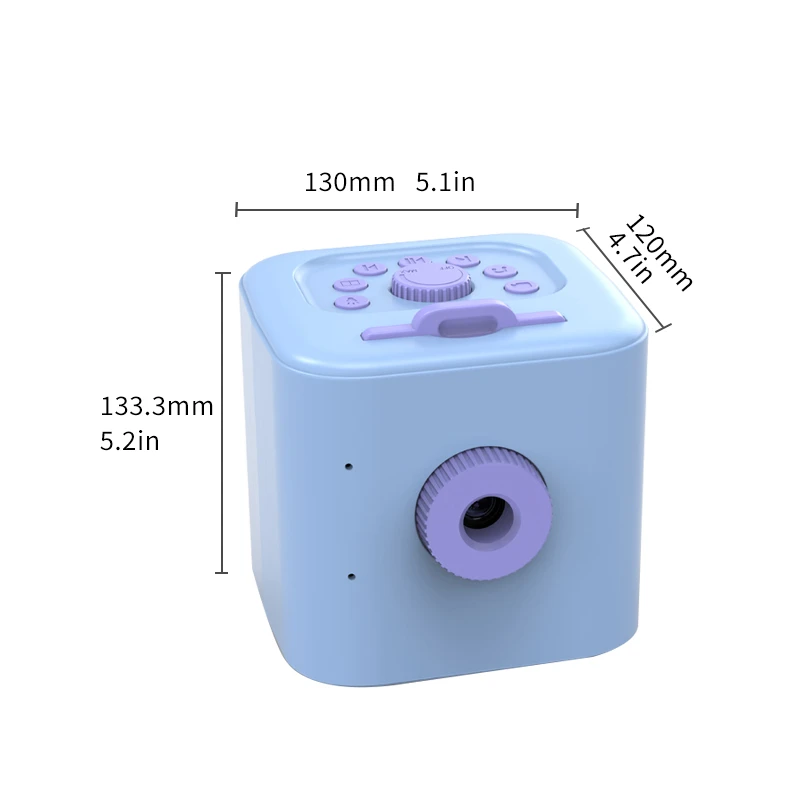
How a Kids Story Projector Works: Functions in Detail
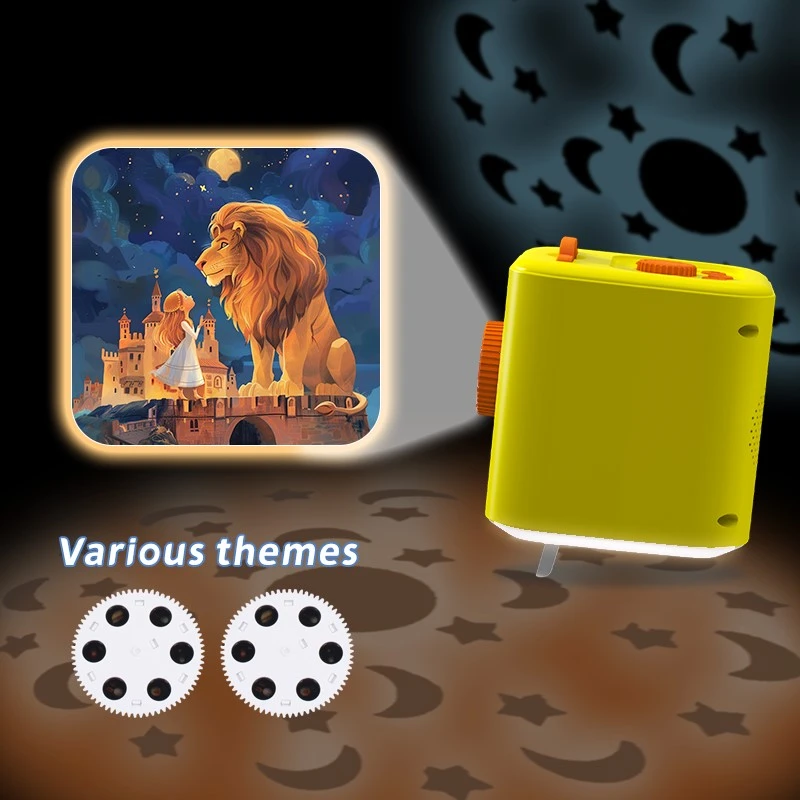
Function 1 - Wall projection with synced audio: the unit casts a story image onto a wall while playing the matching narration from on-board storage, so a child follows one scene and one voice together; throw distance, image size and the audio-to-frame sync window are brief lines fixed before the 5-day PCBA sample.
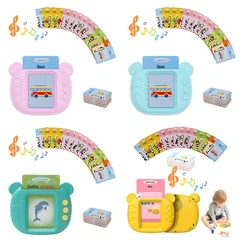
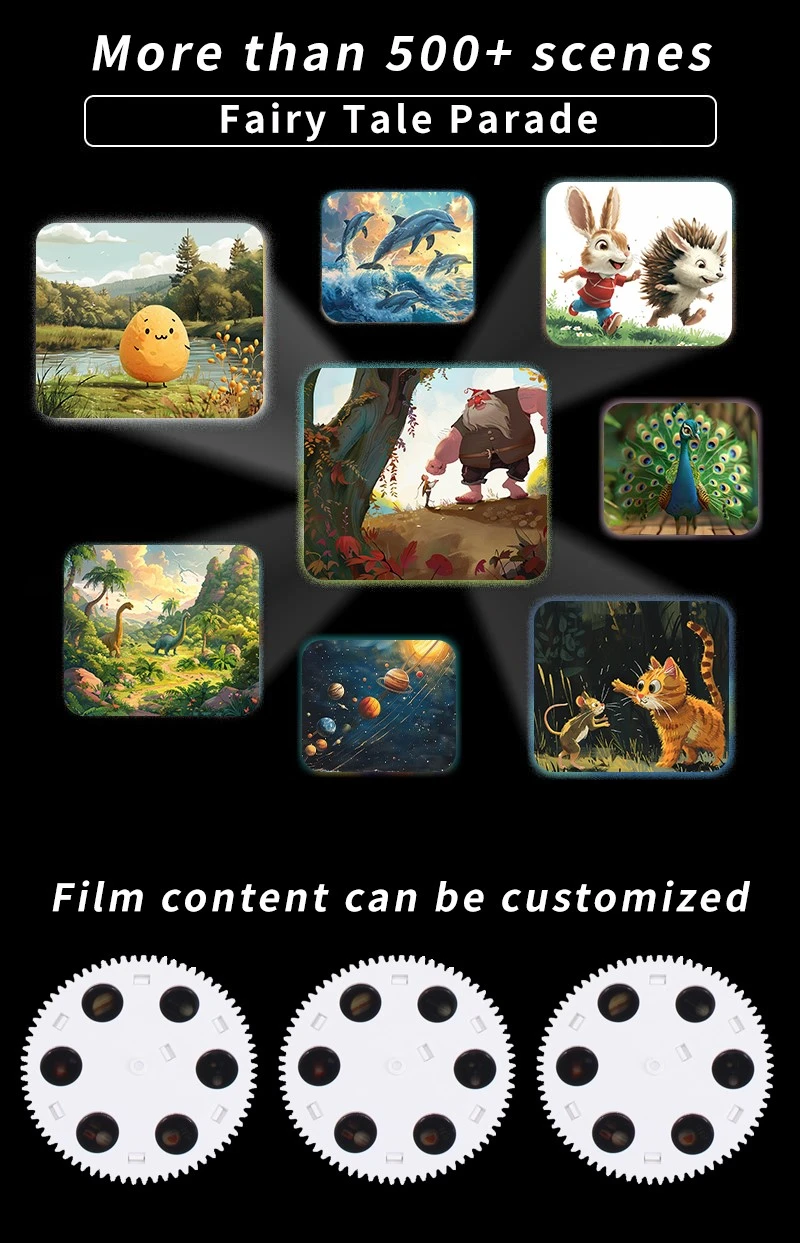
Function 2 - Replaceable content reels and cards: stories arrive on swappable reels or cards, so one Kids Story Projector carries a growing library without a new board; reel geometry, frames per reel and insertion force are brief lines confirmed against the 3-day 3D printed model.
Function 3 - Focus and brightness adjustment: a manual focus ring and stepped brightness control set the image for a story corner or classroom at different distances; focus travel, brightness steps and the default out-of-box position are brief lines, not tuned by eye on the line.
Function 4 - ABS housing with a secured power bay: the projector body uses non-toxic ABS with a secured compartment for AAA cells or a rechargeable lithium pack, checked under AQL 1.0 sampling with 100% functional testing; the power choice is recorded in the order file.
Function 5 - Six-language native-voice library: English, Chinese, Spanish, Arabic, French and Japanese narration is recorded by native voices and held on 4GB–16GB of on-board storage, so one children's projector toy plays the same approved script in every destination; a language variant is an audio and print decision, not a new optical platform.
Function 6 - Projector System optical path: the lens, reel gate and light path are aligned as one assembly, checked per unit before packing; the toy factory audit checklist should ask to see the alignment jig and its calibration record, because an optical fault reads as a blurred story on a shelf rather than as a parameter on a spec sheet.
Function 7 - IP-ready content library: the reel format supports licensed characters and themed packs, so a Kids Story Projector grows a second season on the same approved 30-day tool; artwork, voice and reel identity freeze as one version before the print plate is cut.
Function 8 - Unit-level test and batch record: every children's projector toy passes 100% functional testing and carries a batch identity linking it to the day, line and test result; a buyer can point at one finished unit and pull its record, which is the difference between an audit that verifies a process and a tour that admires a sample.
With the product functions mapped to the records they leave, the visit is five checks, not five departments, and each one hands you something that can be signed and dated.
Step A → Define what you are verifying before the visit: write the checkpoints - live line, optical jig, incoming inspection, test record, traceability - into the brief before the 3-day STP file is drawn. A checkpoint defined here costs a line of text; one invented at the factory gate costs a second visit.
Step B → Walk the live line, not the showroom: ask to see the Kids Story Projector being assembled and compare it with the 3-day 3D print and 5-day PCBA sample you approved. A sample is built by the most careful pair of hands in the building; a line is what your customer receives.
Step C → Pull three recent records: ask for an incoming-inspection sheet on ABS shells and reels, a 100% functional-testing log from a production day, and a batch identity traceable from one finished unit. Recent means yesterday, not a set prepared for auditors.
Step D → Check change control against the 30-day tooling window: the 30-day mold and 30-day production run stay valid only if a change to lens, reel or firmware is logged and re-approved; ask who signs a change and where that signature lives, because an undocumented tweak is the cheapest way to inherit a season of returns.
Step E → Seal the findings into the order file: record the approved line, jig version, test record and sample set as one toy factory audit checklist version before production starts, with a standard sample round quoted in seven working days; a reorder then repeats a documented line.
Key Features of a Toy Factory Audit Checklist

1. A Live Line Is the Only Honest Sample
Feature: a toy factory audit checklist starts on a running Kids Story Projector assembly line, not in a showroom of hand-built units.
Advantage: a running line shows the cycle, the jig and the operator's actual sequence; a sample shelf shows the best unit the factory could make with unlimited attention.
Benefit: you qualify the process your orders use, so the first and fifth shipments come off the same station rather than from two standards of care that surface later as a returns spike.
Evidence: our 5,000 ㎡ factory runs 20,000+ units per day with 10 QC staff, and the line that builds the approval sample is the line that builds the order.
2. The Optical Jig Is the Real Specification
Feature: focus, brightness and reel alignment are set against a calibration jig and a written record on every children's projector toy.
Advantage: a jig turns "the picture looks clear" into a repeatable setting; without it, optical quality depends on which operator closed the housing that morning.
Benefit: clear, consistent projection is the difference between a product that demos well and one that survives a month of evening use without blurred-image complaints landing on your service team.
Evidence: 100% functional testing and AQL 1.0 sampling are recorded per production batch, with the jig version logged in the order file.
3. Incoming Inspection Bounds the Whole Batch
Feature: ABS shells, reels and electronics are checked on receipt against the approved brief before they reach the line.
Advantage: a problem caught at the gate is a supplier conversation; the same problem caught after assembly is a finished unit that has to be opened, reworked or scrapped.
Benefit: the audit protects landed cost and launch date at once: a bad reel lot is cheap to reject on Monday and expensive to recall three weeks later - a toy factory audit checklist that skips the gate is betting the season on someone else's supplier.
Evidence: our 2 quality engineers and 10 QC staff work from the same brief, with non-toxic ABS and 4GB–16GB storage specified at incoming inspection.
4. A Record Is Worth More Than a Promise
Feature: every unit's 100% functional-testing result is written down with a batch identity rather than reported as a percentage in a meeting.
Advantage: a written record can be pulled, dated and compared across runs; a verbal assurance cannot be checked after the container leaves.
Benefit: when a retailer asks how a lot was verified, you answer with a document, not a phone call, shortening the compliance conversation and avoiding a full-pallet hold.
Evidence: 1,000,000+ units manufactured to date are logged in documented batches, and the test result travels with the part itself.
5. Traceability Decides the Size of a Recall
Feature: each Kids Story Projector carries a batch identity linking it to the line, the day and the approved content version.
Advantage: a quality question narrows to one run instead of forcing a buyer to treat an entire shipment as suspect.
Benefit: recall cost and retailer confidence stay contained. When identity stops at the carton, the conservative answer is a full withdrawal nobody budgeted for; when it reaches the unit, the answer is a page of serials.
Evidence: 1,000,000+ units manufactured and 120+ countries served, with batch identity travelling with the part itself.
6. Change Control Protects the Second Order
Feature: any change to lens, reel, firmware or artwork is logged, re-approved and versioned before it reaches mass production.
Advantage: the 30-day tooling and production windows stay valid because the file you approved is the file the line builds to.
Benefit: a toy factory audit checklist that checks change control turns your reorder into a production instruction instead of a fresh qualification, which is where the margin on a second season actually comes from.
Evidence: each freeze gate - 3-day STP, 3-day 3D print, 3-day programme white paper, 5-day PCBA sample, 30-day tooling and 30-day mass production - leaves a signed record of which version was current.
B2B Applications: Where a Toy Factory Audit Checklist Fits
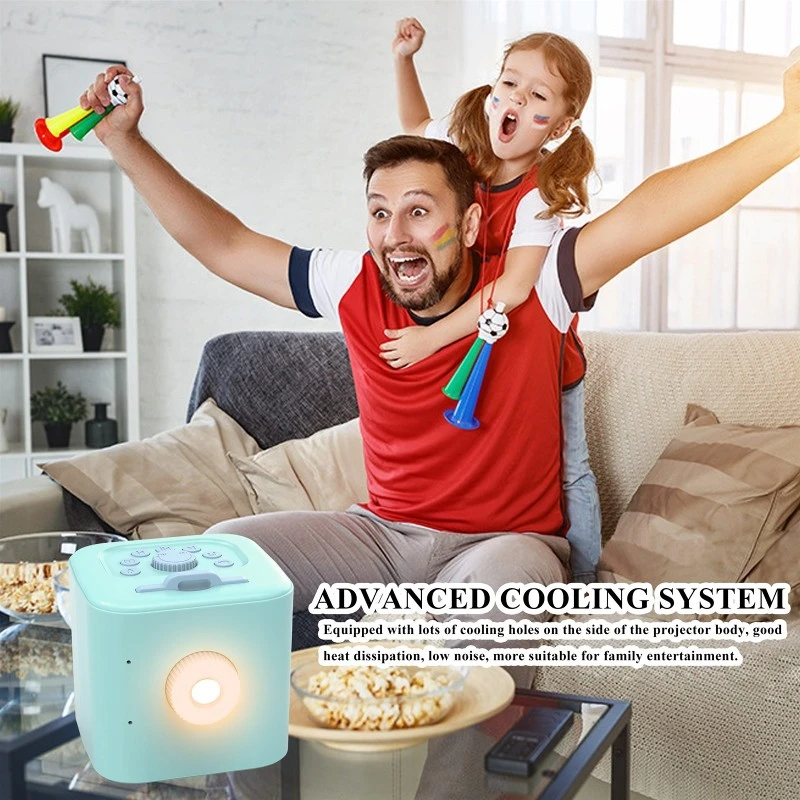
The same toy factory audit checklist reads differently for each type of buyer, because each channel asks a different question of the line. Here is how a Kids Story Projector fits six B2B channels once the visit is treated as evidence of repeatable output rather than a courtesy tour.
1. Brand Owners → verify the tool before the shape - A brand building a differentiated children's projector toy benefits most from seeing the mold shop and optical bench in one building. We fix the housing, reel geometry and focus travel at brief stage, so the audit confirms a capability rather than a promise. Ask us to walk the 3-day STP file against the 3-day 3D printed model during your visit.
2. Large Retail Chains → bring the full compliance file, then walk the floor - A chain buyer needs the documents behind the box and the evidence behind the documents. For a children's projector toy we prepare BSCI and SEDEX social audits, ISO9001, CE (EN71), FCC, RoHS, UKCA and CPSIA, AQL 1.0 sampling, 100% functional testing, UPC barcodes and multi-language instructions, and keep the toy factory audit checklist answerable at the live line, test record and change-control file. Which exact route your market expects should be confirmed with your own laboratory, notified body or local authority against the current text; we are a manufacturer, not a certifying body, and we build to the requirements you bring us and document what we built.
3. B2B Importers & Distributors → qualify the line, not the sample - An importer wants a stable standard SKU and fast replenishment. A line you have seen running, with a test record you can pull, means the same Kids Story Projector reorders without reopening the qualification. Ask us how 20,000+ units per day capacity and a sealed order file keep your reorder short across 120+ countries.
4. Amazon & E-commerce Sellers → check the packing station against the listing - An online seller needs differentiation and compact packing. We support multi-colour A/B testing on the Kids Story Projector and a tight carton, and the audit should include the station where the reel set, the manual and the barcode meet the box, so a marketplace check does not find a different assortment inside than on the page.
5. IP Licensors & Gift Distributors → confirm reel versioning before the season - A gift programme has a short shelf window, and licensed content is why it sells. We version artwork, voice and reel identity together, so an audit that checks the change-control file keeps a late licence approval from pushing the whole run into the next season - in gift retail the calendar is part of the product.
6. Educational Institutions & Chain Nurseries → verify the content and the manual together - A school buyer cares about the leaflet and the approved script as much as the unit. We build the manual in the languages the programme teaches and keep the six-language native-voice library under version control, so an institutional order arrives with a document the staff can use and a batch record the receiving office can check.
OEM/ODM Customization Services for Kids Story Projector
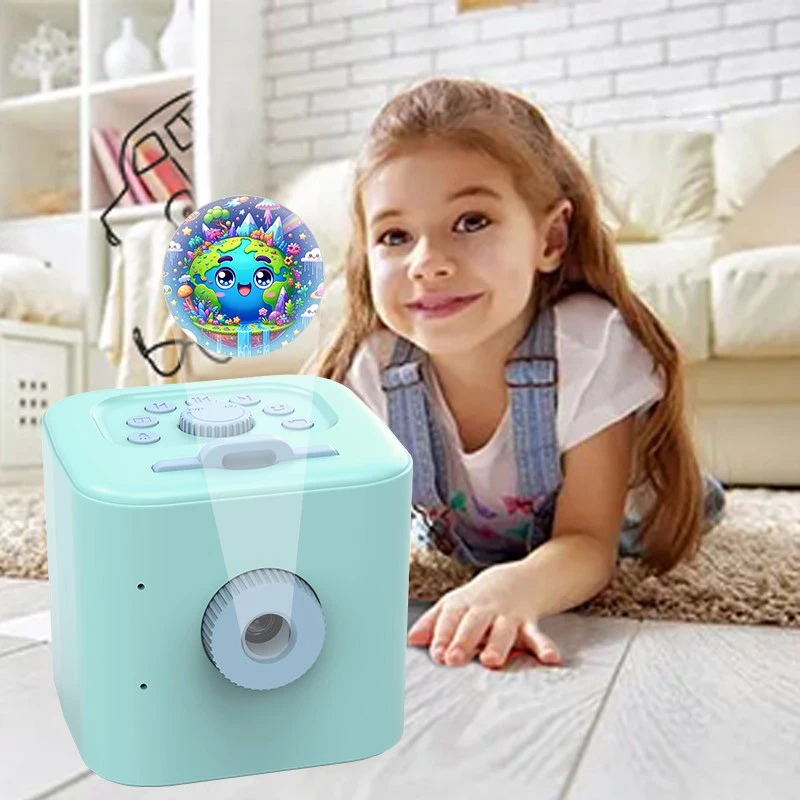
Product Design Customization
We shape the children's projector toy around the checkpoints you will verify, so the design is visible in the tool and on the record rather than explained at the visit.
• Housing proportions, projector head angle and reel bay geometry set at brief stage.
• One optical platform defined to carry standard and gift-packed variants together.
• Reel and card insertion geometry fixed before the 30-day tooling window.
• 3-day STP file and 3-day 3D printed model let you hold the real form early.
Every design choice is logged against the order file before tooling starts.
Hardware Customization
The electronics and optics are built to the same file, with the choices documented where an auditor will look for them.
• Non-toxic ABS housing with a secured compartment for AAA cells or rechargeable lithium.
• On-board 4GB–16GB storage for six-language native-voice playback.
• Lens, focus travel and brightness steps specified as brief lines and set on a calibration jig.
• AQL 1.0 sampling and 100% functional testing recorded per production batch.
On a Kids Story Projector the hardware choices are the parts a laboratory actually tests.
Software & Audio Customization
Content and the change-control file are approved together, because a new script usually means a new reel identity and a new manual.
• Six-language native-voice recording approved before the print plate is cut.
• Brand-safe story library reviewed against the age positioning.
• Reel packs mapped one recorded set to one lot identity.
• Frame-to-audio sync window and default brightness written as brief lines.
Freezing the script with the version file avoids a second approval round on the whole programme.
Packaging & Compliance Customization
The box is the visible half of the audit, so we build it with the file, not after it.
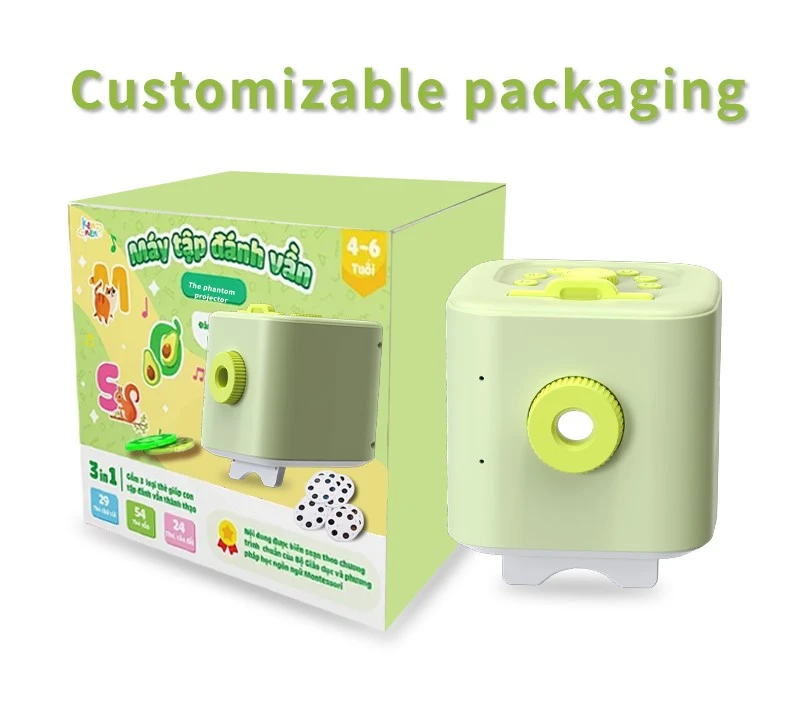
• Colour-box artwork and instruction leaflet approved per language variant, not per representative sample.
• Outer-carton markings, batch traceability code and UPC per SKU.
• Reel set, manual and carton sealed as one version in the order file.
• ISO9001, BSCI, SEDEX, CE (EN71), FCC, RoHS, UKCA and CPSIA documented.
• Which route your market expects is confirmed with your own laboratory, notified body or local authority against the current text.
• Box, manual, codes and test record are sealed as one toy factory audit checklist version before shipment, so a reorder reads the same file the first order was built to.
Why Choose XINDITAI as Your Kids Story Projector Partner
Factory-Direct Manufacturing
We make the children's projector toy where we design, tool and test it, so every line on a toy factory audit checklist can be answered in the same building by the people who own the record.
• Founded in 2010, a 5,000 ㎡ factory with 10 injection machines and our own mold shop.
• 20,000+ units per day capacity across the optics, electronics and assembly lines.
• 1,000,000+ units manufactured and 120+ countries served to date.
Global Export Experience
An audit only helps if the line behind it has shipped to your market before, and we have built that record one documented order at a time.
• OEM and ODM each about 50% of the business, so both qualification paths are routine.
• 3 designers, 4 electronics engineers, 2 quality engineers, 1 AI content creator, 2 graphic designers and 10 QC on every project.
• 7×24 sales response so an audit question never waits for a timezone.
For a Kids Story Projector, that export record shortens the conversation with your own compliance team.
Frequently Asked Questions About Toy Factory Audit Checklist
Q1: What order volume do you need before a Kids Story Projector line can be audited?
Order volume is flexible. A new children's projector toy usually rides a 30-day mold and a 30-day production window, so a brand can qualify the line at trial scale and expand after the first approvals. A toy factory audit checklist visit is welcome before tooling opens, with a standard sample round quoted in seven working days; findings go into the order file so the trial doubles as the qualification for the first reorder.
Q2: Which compliance documents do retail buyers require for a children's projector toy?
For a mainstream chain, plan for BSCI and SEDEX social audits, ISO9001, CE (EN71), FCC, RoHS, UKCA, CPSIA, AQL 1.0 and 100% functional testing, along with UPC barcodes and multi-language instructions. The live line, the test record and the change-control file must agree with that paperwork, or the documentation fails at the door. Confirm the current version of each route with your own notified body or local authority.
Q3: Does the projector connect to a network or capture anything in the room?
The Kids Story Projector plays locally from on-board 4GB–16GB storage and swappable reels; it carries no camera, no network path and no account step. The story library is approved against the age positioning before loading, so what a child hears is a reviewed file rather than an open feed. We supply a one-page content and data map on request and claim no certification we do not hold.
Q4: How long does an audited programme take from brief to shipment?
The timeline runs the same sequence: 3 days for the STP file, 3 days for the 3D print, 3 days for the programme white paper, 5 days for the PCBA sample, 30 days for the dedicated mold and 30 days for mass production. The audit checkpoints belong in the white paper before the mold opens, so the visit adds no week to the calendar.
Q5: Can the unit be a private mold with a custom box and reel set per market?
Yes. Our own mold shop can cut an exclusive housing as a private-mold feature, and the carton artwork, manuals, codes and reel identities are printed to your markets and your languages. We seal the whole set as one version at sample sign-off, so a private Kids Story Projector programme keeps both the shape and the content identity exclusive to your brand.
Q6: What after-sales and warranty support comes with an audited programme?
Warranty terms and a spare-parts allowance are written into the order file before production starts, and our 7×24 sales line handles audit or service questions after shipment. We keep the line record, test log and approved reel version together, so a service case reads the same file the product was qualified to.
Future Trends in Kids Story Projector Programs
1. Live-line evidence is replacing the certificate folder - Chain buyers increasingly ask to see the running line, the calibration jig and a recent test log, not just the audit summary. A toy factory audit checklist that stops at documents will not satisfy the next supplier review, so brief the checkpoints before the tool is cut.
2. Unit-level traceability is becoming a specification - A batch code identifying one children's projector toy rather than one pallet is moving from a shipping favour to a written requirement. A quality question then stays inside one run, and a retailer audit ends with a page of serials instead of a full-shipment hold.
3. One optical platform, many reel packs - Programmes are converging on a single approved lens and housing with a growing library of reels, so a new title is a recording and print job instead of a new tool. Treat those reels as versions of one file: a change-control record that adds a pack without re-qualifying the line turns a content roadmap into a reorder engine.
4. The audit file becomes a reorder asset - As buyers qualify fewer suppliers more deeply, the signed line record, jig version and test log travel with the order rather than being archived after one visit. The practical test: can your team place the second season with one production instruction against a documented line, or does it take a new factory tour? The first answer is an asset; the second means the audit was never filed.
Conclusion: Start Your Kids Story Projector Project Today
Toy factory audit checklist is the first qualification document in a children's projector toy programme, not a courtesy visit before the order is signed. Define the checkpoints in the brief, walk the live line instead of the showroom, pull three recent records, check change control against the tooling window and seal the findings into the order file. Done early, one documented visit protects your launch date, your recall scope, your compliance story and the margin on the second season at once. Done late, the same checklist becomes a list of impressions that everyone remembers differently - which is exactly what a qualification record exists to prevent.
If you are planning a Kids Story Projector for retail, gifting or institutional channels, bring us the markets you are targeting and we will build the housing, the optical platform and the reel library around them. As an OEM/ODM manufacturer with our own tooling, electronics and quality teams, we keep the line, the test log and the version file open to your toy factory audit checklist, and we keep that documentation available so the next reorder repeats a verified process.
Contact Us
Contact: Zoey
WhatsApp: +86 13342950150
Email: xdt06@dtdianzi.com
Company: SHENZHEN XINDITAI ELECTRONIC CO., LTD | Website: www.kidsoundbook.com