






Understanding the Core Components of Soft Companions
Stuffed toys have been childhood staples for generations, evolving from simple rag dolls to complex sensory-friendly companions. Behind every cuddly bear or whimsical unicorn lies carefully selected materials that balance softness, durability, and safety. This comprehensive guide explores the hidden engineering behind these beloved playthings.
Synthetic Fibers: The Modern Standard
Polyester dominates the stuffed toy industry, constituting >68%>68% of all plush materials according to 2024 textile reports. Its microfiber variants create velvety surfaces that mimic animal fur through advanced brushing techniques. While criticized for petroleum-based origins, recycled PET versions now account for 23%23% of polyester use in toy manufacturing.
Nylon blends serve specialized purposes in high-traffic areas like ears and paws, offering 40%40% greater abrasion resistance than standard polyester. These reinforced zones help maintain structural integrity in toys subjected to daily play.
Natural Alternatives Making a Comeback
Organic cotton has seen 142% growth in premium toy lines since 2022, driven by eco-conscious parenting trends. Unlike conventional cotton, these chemical-free fibers meet Global Organic Textile Standard (GOTS) certification requirements, though they typically cost 2.3−2.8×2.3−2.8× more than synthetic equivalents.
| Material | Cost per kg | Durability | Washability | Eco-Score |
|---|---|---|---|---|
| Polyester | $4.20 | 8/10 | 9/10 | 5/10 |
| Organic Cotton | $11.50 | 6/10 | 7/10 | 9/10 |
| Bamboo Blend | $8.90 | 7/10 | 8/10 | 8/10 |
| Recycled PET | $5.80 | 7.5/10 | 9/10 | 7/10 |
The Science of Squishiness
Toy stuffing has evolved beyond basic cotton batting. Modern hypoallergenic clusters combine 70%70% recycled PET fibers with 30%30% silicone-coated microbeads for optimal moldability. This mixture provides 360-degree compression recovery while reducing material usage by 40%40% compared to traditional stuffing methods.
Phase-change materials represent the new frontier in therapeutic plush toys. These advanced fillings can absorb >150J/g of thermal energy, helping regulate surface temperature during fever episodes or providing cooling comfort in warm environments.

Safety First: Material Regulations Unveiled
Global safety standards form an invisible shield around every stuffed toy. The EU's EN71-1 regulation mandates that surface fibers withstand a pull force of more than 70N, preventing accidental ingestion. Meanwhile, California's Proposition 65 requires strict <0.1%<0.1% phthalate content in all plush components.
Certification Processes Demystified
Third-party testing laboratories employ accelerated aging chambers that simulate 10 years of use in just 8 weeks. These rigorous evaluations check for:
- Fiber shedding under 2000+abrasion cycles
- Colorfastness after 50simulatedwashes
- Seam strength under 15kg of tension
- Filling material dispersion under compression
Sustainable Innovations Reshaping the Industry
Plant-based dyes now account for 18%18% of all plush coloring processes, up from just 3%3% in 2020. Derived from turmeric, beetroot, and spirulina, these natural pigments reduce chemical runoff by 92%92% compared to conventional dyes.
Closed-loop manufacturing systems have emerged as game changers, with leading brands achieving material reuse rates of 87%. This circular approach transforms production scraps into:
- Insulation material for eco-housing
- Sound-dampening panels for urban spaces
- Oil spill absorption mats
- Automotive interior padding
The Future of Cuddly Companions
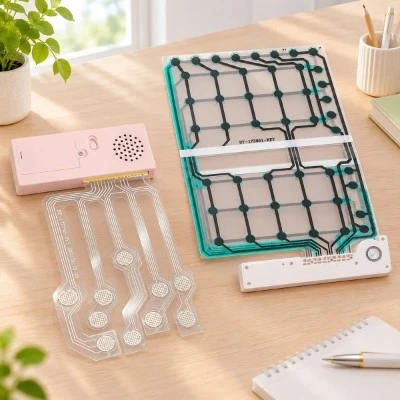
Smart textiles are revolutionizing interactive play experiences. Conductive yarns woven into plush surfaces can detect hugging pressure through <0.1Ω<0.1Ω resistance changes, enabling responsive light or sound effects. Meanwhile, self-cleaning nanocoatings reduce bacterial growth by 99.7%99.7% between washes.
As material science advances, the next generation of stuffed toys will likely incorporate:
- Biodegradable mycelium-based composites
- Photochromic fibers that change color with sunlight
- Shape-memory alloys for posable limbs
- Air-purifying surface treatments
From sustainable sourcing to high-tech enhancements, the humble stuffed animal continues evolving while maintaining its core mission - providing soft, safe comfort to children worldwide. As consumers become more material-conscious, manufacturers face both challenges and opportunities to reinvent this timeless toy through innovative material solutions.