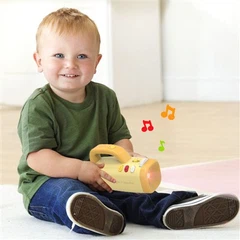

Introduction: Why 70% of Toy Purchases Are Emotion-Driven?
In the global toy market worth hundreds of billions, understanding consumer psychology has become crucial for brands to stand out. Research shows only 30% of parental toy purchase decisions are based on rational factors - the remaining 70% are influenced by emotional and psychological mechanisms. This article deeply analyzes 7 core psychological drivers behind toy purchases to help brands effectively reach target consumers.
1. Safety Needs: Parents' Primary Psychological Barrier
1.1 Evolutionary Protection Instincts
93% of parents first check toy safety certifications (EN71/ASTM F963)
"Choking hazard prevention design" searches grew 45% YoY (Google Trends)
Safety anxiety manifestations: 57% test toy sharpness personally
1.2 Chemical Safety Knowledge Gap
Technical term fear: Only 38% recognize "phthalates"
Trust transfer effect: 86% rely on third-party certifications over merchant claims
Solution: Visual safety reports 2.3x more effective than text descriptions
2. Education Anxiety: The Invisible Driver for Middle-Class Families
2.1 "Starting Line" Psychology Materialized
STEM toy penetration reaches 72% in highly-educated families
"Early education function" keywords have 60% higher CPC than regular toys
Misconception: 41% parents believe "more complex = more educational"
2.2 Perceived Value Model of Educational Toys

3. Emotional Compensation: Working Parents' Consumption Substitute
3.1 Guilt-Driven Purchases
Parents with <10h weekly陪伴 time spend 22% more per order
"Parent-child interactive toys" fastest-growing category (28% YoY)
Case study: Storybook robots sales surge among 996 work schedule parents
3.2 Childhood Projection Phenomenon
35% parents buy toys they desired as children
Retro toy market grows 17% annually (Nostalgia effect)
68% of adult Star Wars toy collectors are "compensating childhood lacks"
4. Social Proof: The Invisible Hand of Group Pressure
4.1 Conformity Psychology Data
"Same as kindergarten" searches spike 300% in September
Parent group recommendations convert 4x better than ads
KOL effect: Educator endorsements boost sales 650%
4.2 New Evolution of Status Symbols
International kindergartens preference: Montessori searches up 90%
Premium toys become new "social currency"
5. Instant Gratification: Leveraging Children's Emotions
5.1 The Magic of "Aisle Tests"
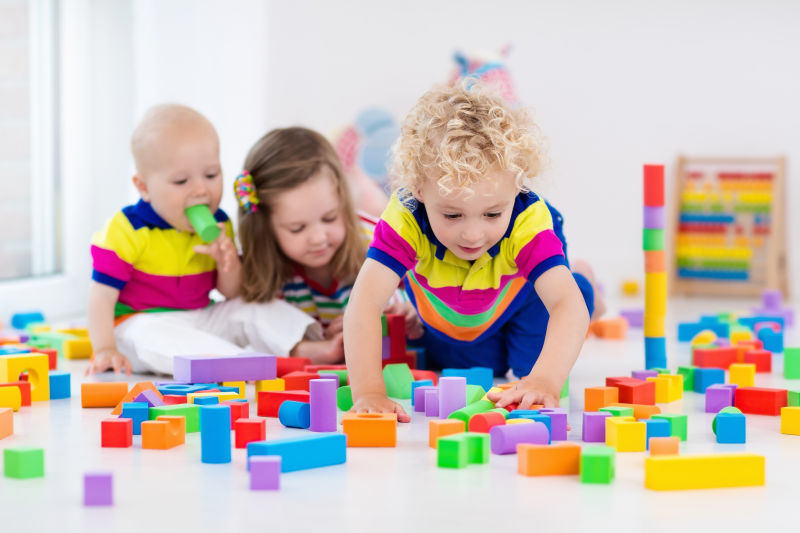
Children form 80% purchase intention within 3 seconds
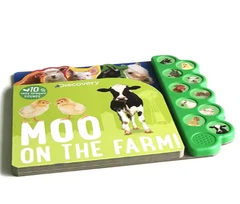
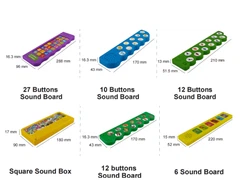
Light/sound toys convert 2x better offline than online
Impulse purchases account for 43% of supermarket toy sales
5.2 The Marketing Dilemma of Delayed Rewards
35% "unboxing disappointment" rate for educational toys
Solution: Achievement systems improve continued usage
Success: Osmo reduced returns 58% with instant feedback
6. Value Projection: Toys as Ideal Self-Expression
6.1 Parents' Self-Actualization Needs
PhD families 3x more likely to buy science toys
Art professionals prefer open-ended creative toys
Data: Parent occupation significantly influences toy choice (p<0.01)
6.2 Symbolic Consumption of Class Identity
LEGO Education penetrates 41% of middle-class families
Premium toys become new "school district" accessories
Phenomenon: Toy brand hierarchy in international school parent circles
7. Loss Aversion: Deep Mechanisms Behind Promotions
7.1 Limited Edition Psychology
"Limited edition" speeds decisions 3x faster
Blind box mechanics exploit "Zeigarnik effect"
Data: 45% premium acceptance for holiday exclusives
7.2 Loss-Framed Marketing Applications
"Missing critical period" messaging boosts conversions 27%
Educational toys best suited for "progress bar" promotions
Case: Qiaohu's "monthly customized" reduced cancellations 33%

Practical Strategies: Combining Psychological Mechanisms
Safety + Education: Choking hazard detector + developmental tracking
Social + Emotional: Alumni sets + bonding time recording
Instant + Delayed: Quick feedback + long-term achievement systems
Conclusion: The Psychological Battle Beyond Products
Modern toy competition has transcended physical attributes to become a battle for consumer mindset. By decoding these 7 psychological mechanisms, brands can:
Reduce decision friction (safety anxiety)
Create emotional resonance (compensation psychology)
Build social validation (circle influence)