
Introduction: Why Toy Design Matters So Much
In the global toy market valued at hundreds of billions of dollars, product design and features have become primary factors influencing purchasing decisions. Modern parents no longer just focus on price and appearance when choosing toys for their children - they place greater emphasis on educational value, safety, and interactive experiences. This article provides an in-depth analysis of how toy design and functionality influence buyers' selection behavior, helping brands create more competitive products.

1. Visual Design: First Impressions Determine Purchase Intent
1.1 Application of Color Psychology
Infant toys (0-3 years): High-contrast color combinations (red/white/black) best attract attention
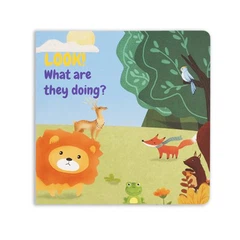
Preschoolers (3-6 years): Bright, vibrant tones (yellow/blue/green) enhance appeal
School-age children (6+ years): Gradient colors and themed palettes (space blue/nature green) are more popular
1.2 Affinity of Form Design
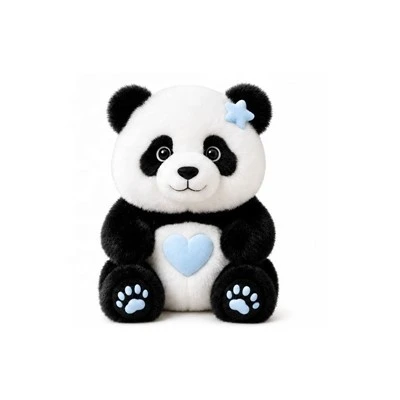
Anthropomorphic designs (large eyes, rounded shapes) increase emotional connection
Culturally inclusive character designs (various skin tones/gender neutral) broaden audience
Licensed collaborations (Disney/Marvel characters) can boost purchase intent by over 300%

2. Functional Design: Shift from Entertainment to Education
2.1 Educational Features as Core Selling Points
STEM toy market growing at 15% annually (programming robots/science kits)
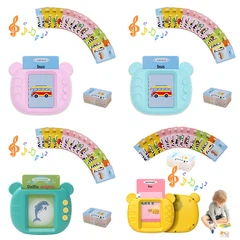
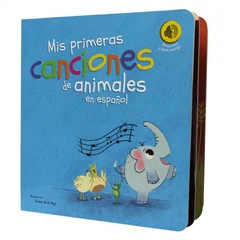
Language toys (bilingual talking pens) particularly popular in Asian markets
Social-emotional learning toys (emotion recognition cards) experiencing rapid demand growth
2.2 Interactive Experiences Determine Reuse Rates
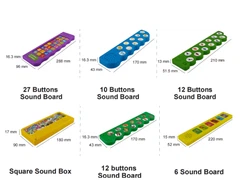
Smart interaction features (voice recognition/AI conversation) improve user retention
AR technology revitalizes traditional toys
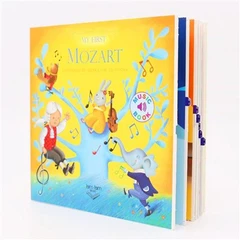
Multi-sensory stimulation (tactile/auditory/visual) designs extend playtime

3. Safety Design: Parents' Top Concern
3.1 Physical Safety Design
Rounded edges reduce injury risks
Choking-hazard prevention (larger than 3.17cm) meets international standards
Durable materials minimize breakage and sharp edges
3.2 Chemical Safety Standards
EU EN71-3 heavy metal content limits
US ASTM F963 phthalate standards
China's CCC certification requirements
4. Age-Appropriate Design: Precisely Meeting Developmental Stages
4.1 Design Principles by Age Group
0-18 months: Sensory stimulation toys (rattles/tactile books)
18-36 months: Simple construction/role-play toys
3-6 years: Building sets/beginner STEM toys
6+ years: Complex strategy/programming toys
4.2 Scalability Design
LEGO DUPLO series expands play possibilities with age
Programming robots with tiered curriculum systems
Puzzle difficulty progression from 24 to 500 pieces
5. Sustainable Design: Influences 35% of Modern Parents' Decisions
5.1 Eco-Friendly Material Applications
Bio-based plastic (corn starch material) toys
FSC-certified wooden toys
Recyclable packaging design
5.2 Longevity Design
Modular structures for easy repair/replacement
Heirloom-quality designs
Multi-scene applicability (indoor/outdoor use)

6. Successful Case Studies
Case 1: Osmo Interactive Learning System
Innovatively combines physical toys with iPad apps
Won multiple educational awards including "Parents' Choice Gold Award"
Maintains over 40% annual growth rate
Case 2: Green Toys Eco-Friendly Products
Made from 100% recycled plastic
Marketed as "safety standards beyond requirements"
Commands premium pricing in eco-conscious markets
7. Future Design Trends
AI personalized toys: Automatically adjust difficulty based on child's ability
Metaverse-integrated toys: Phygital interactive experiences
Therapeutic toy designs: Assist with emotional management
Inclusive design: Meet special needs children's requirements
Conclusion: Design Determines Value
In the competitive toy market, excellent product design is no longer just a bonus - it's a necessity. By deeply understanding target users' needs and combining educational value, safety standards, and innovative technology, toy companies can create products that truly resonate with buyers. Remember, good toy design should simultaneously meet three key criteria: children love to play with it, parents are willing to buy it, and educators recommend it.