








Introduction: The New Playmate for a New Generation
The early childhood edutainment industry, which blends education with entertainment, is at a pivotal moment. For decades, the focus has been on engaging children through colorful toys, books, and digital apps. Today, a powerful new force is reshaping this landscape: Artificial Intelligence (AI). AI is no longer a futuristic concept; it's actively creating smarter, more responsive, and highly personalized learning experiences for young minds. This article delves into how AI is revolutionizing early learning, making it more adaptive, engaging, and effective than ever before.

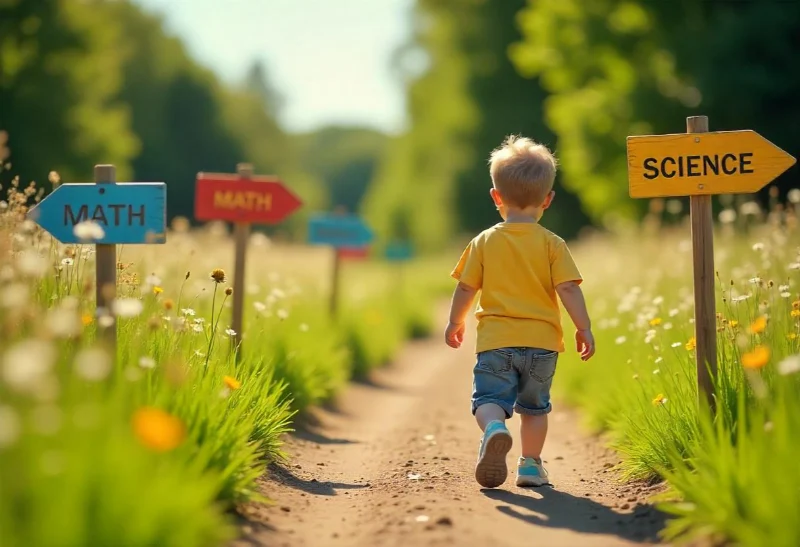
Personalized Learning Paths: Every Child is Unique
Traditional learning tools often follow a one-size-fits-all approach. AI shatters this model by enabling true personalization.
Adaptive Difficulty: AI algorithms can analyze a child's interactions in real-time. If a puzzle is too easy, the system can gently increase the challenge. If it's too hard, it can offer hints or adjust the level, ensuring the child remains in the "zone of proximal development"-where learning is optimal.
Interest-Based Exploration: By observing a child's choices (e.g., preferring dinosaur stories over fairy tales), AI can curate content and suggest activities that align with their natural curiosity, fostering a deeper love for learning.
Enhanced Engagement through Interactive Storytelling and Play
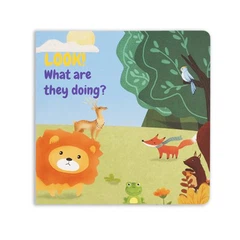
AI brings static characters to life, creating dynamic and immersive worlds for children to explore.
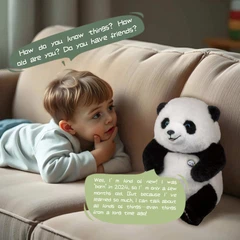
Conversational AI: Voice-activated assistants and chatbots designed for children can engage in simple conversations, answer endless "why" questions, and tell stories that change based on the child's input. This develops language skills and critical thinking.
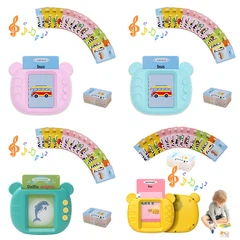
Intelligent Feedback: Instead of a simple "correct" or "incorrect" sound, AI can provide encouraging, specific feedback. For example, it might say, "Great job matching the red shapes! Now, can you find the one that is a triangle?" This constructive reinforcement builds confidence.
The Rise of Smart Physical Toys (AI-Powered EdTech)
The fusion of AI with physical playthings, often called the Internet of Toys (IoToys), is a major trend.
Responsive Companions: AI-powered robots or stuffed animals can recognize a child's face and voice, remember their name, and learn their preferences over time, creating a sense of companionship that fosters emotional development.
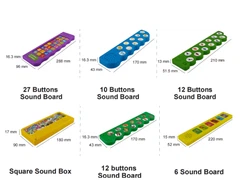
Tangible Learning: These toys can teach coding basics through physical blocks, respond to touch and movement, and bridge the gap between digital screens and hands-on play, promoting sensory and motor skills.
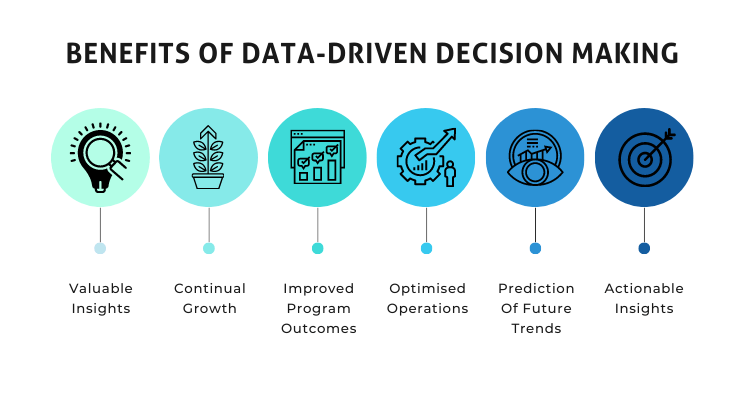
Data-Driven Insights for Parents and Educators
One of the most significant benefits of AI in edutainment is the ability to provide valuable insights to adults.
Progress Tracking: AI systems can generate detailed reports on a child's progress, highlighting strengths and areas that may need more attention. This goes beyond simple scores to analyze problem-solving strategies and learning patterns.
Personalized Recommendations: Based on the data, the platform can suggest specific activities or topics to parents, empowering them to support their child's learning journey effectively at home.
The Human Touch: The Irreplaceable Role of Parents and Teachers
It's crucial to understand that AI is a tool to augment, not replace, human interaction. The most effective AI edutainment products are designed to facilitate shared experiences.
Co-Play Encouragement: The best AI apps and toys prompt children to involve their parents or peers, turning screen time into a collaborative and social activity.
Supporting, Not Supplanting: AI handles personalized practice and repetition, freeing up parents and educators to focus on what they do best: providing emotional support, nurturing creativity, and teaching social-emotional skills through genuine human connection.
Conclusion: A Smarter, Brighter Future for Early Learning
The integration of AI into the early childhood edutainment industry is not just a trend; it's a fundamental shift towards more meaningful and effective learning. By offering personalized pathways, creating deeply engaging experiences, and providing actionable insights, AI has the potential to unlock every child's unique potential. As technology continues to evolve, the key will be to harness its power responsibly, always keeping the child's holistic development and well-being at the forefront. The future of play is intelligent, adaptive, and incredibly promising.