Speech Practice Plush Toy Boosts Social Confidence for Shy Kids
The Hidden Barrier to Speaking Up for Quiet Children 🤍
Introverted and slow-to-warm-up children often have rich inner worlds but struggle to share them out loud. Many quiet children have plenty of thoughts, stories, and questions, but they hold back from speaking because they fear making mistakes, being judged, or drawing too much attention to themselves. Pushing them to talk more, perform for others, or "be more outgoing" usually backfires, making them even more hesitant to speak up in social settings.

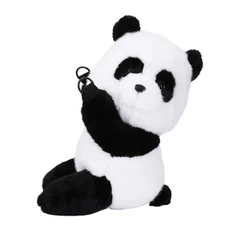
For caregivers, helping a quiet child build verbal confidence can feel frustrating. Traditional methods like speech drills, flashcards, or forced social interactions feel like work, not play, and they do little to reduce the anxiety that holds children back. This is why a speech practice plush toy has emerged as a gentle, effective option for families looking for a shy kids communication aid that meets children where they are.
Communication Practice Tools: A Side-by-Side Comparison
Not all practice tools work equally well for children who feel nervous about speaking. Some methods create more pressure instead of reducing it, which makes quiet kids withdraw even further. The table below compares common practice options across key factors that matter most for introverted children.
| Tool Type | Speaking Pressure Level | Interactive Feedback | Judgment-Free Space | Sustained Usage Willingness |
|---|---|---|---|---|
| In-Person Speech Drills | High; fear of correction | Direct adult feedback | Limited; feels like evaluation | Low; often causes avoidance |
| Screen-Based Language Apps | Medium; task-focused format | Scripted pre-set replies | Partial; still feels like a test | Medium; engagement fades quickly |
| Standalone Smart Speakers | Medium; voice-only interaction | Generic voice responses | Good; no visual judgment | Medium; lacks emotional connection |
| AI Plush Companion Toy | Very Low; soft playful form | Voice + visual emotional cues | Excellent; fully accepting tone | High; feels like a friend, not a lesson |
This comparison makes clear that format matters just as much as content when it comes to a low pressure interactive toy. Tools that feel like schoolwork or evaluation create resistance, while tools that feel like play invite natural, voluntary participation. For children who already feel self-conscious about speaking, the lowest-pressure environment delivers the best long-term results.

How a Soft Companion Removes the Fear of Speaking Wrong
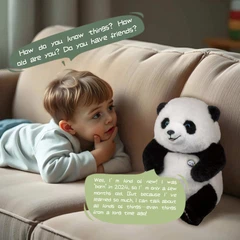
The biggest advantage of a plush-based practice tool is that it removes the fear of judgment. Unlike speaking to an adult or a peer, talking to a stuffed animal carries no risk of criticism, correction, or awkward silence. Children can stumble over words, repeat sentences, or talk about silly, unimportant topics without worrying that they are doing it "wrong."
As an introverted children companion, the toy meets each child at their own pace. If a child only wants to say a few words at first, that is perfectly fine. If they want to ramble about a favorite game or animal for ten minutes, the toy listens fully and responds with warm enthusiasm. There are no timers, no tests, and no expectations to perform.
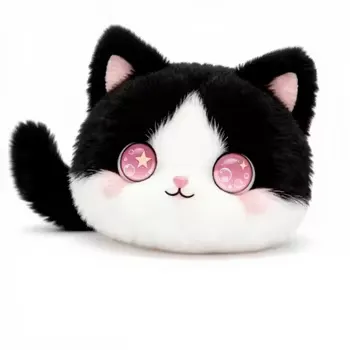
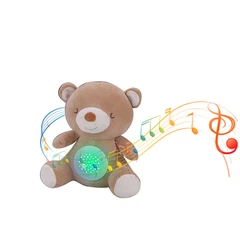
Powered by child-friendly AI technology, the toy responds naturally to whatever the child says, rather than sticking to a strict set of pre-written lines. Its expressive LED eyes shift to match the tone of the conversation - happy when the child shares good news, calm when the child talks about something quiet - which makes the interaction feel warm and genuine. Over time, this low-stakes practice helps children get more comfortable with hearing their own voice and organizing their thoughts out loud.

Building Real Social Confidence That Translates to Daily Life
A good social confidence builder for kids does not only work during playtime - it carries over into real-world situations. The skills children practice while talking to their plush friend do not stay limited to toy time. As they get more comfortable forming sentences, telling stories, and describing their feelings, they gradually gain the courage to speak up in other settings too.
For example, a child who practices describing their day to their plush toy may feel more confident sharing a story with their class at school. A child who practices talking about things that upset them may find it easier to ask a teacher for help when they need it. These small, gradual steps build lasting confidence far better than forced, high-pressure practice.
This growth happens naturally, without the child feeling like they are being trained or fixed. They simply enjoy talking to a friendly, accepting companion, and their speaking skills and confidence grow as a side effect of regular, fun play.

Parent Guidance Through the Smartlife App
Caregivers play an important supporting role without interrupting the child's safe play space. The Smartlife app gives parents secure access to conversation history, so they can see what topics their child enjoys talking about, what thoughts they repeat, and what subjects they seem hesitant about.
This information helps parents meet their child in gentle, low-pressure ways in daily life. For example, if a parent notices their child talks often about space with their plush friend, they can bring up space facts casually during a walk, inviting the child to share more without pressure. If they notice their child expresses worry about group activities, they can talk through those feelings slowly at home, instead of pushing the child into uncomfortable situations too fast.
The app also lets parents adjust settings, update content, and monitor battery life, all without disrupting the child's independent play. This balance of independent practice and gentle parental guidance creates the ideal environment for quiet children to grow at their own speed.

Why Plush Form Beats Screen and Speaker Tools
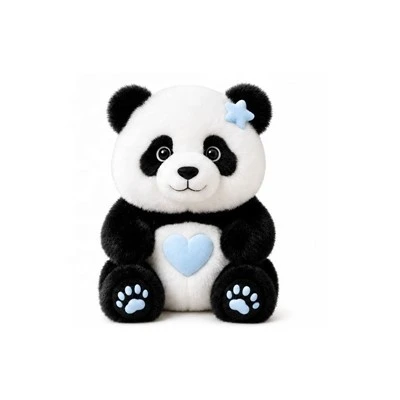
Soft, huggable physical form adds a layer of emotional safety that screens and speakers cannot match. Children do not just talk to their plush toy - they hold it, hug it, and carry it with them. This physical connection creates a sense of safety and trust that makes children more willing to open up.
Screen-based tools create distance and can overstimulate sensitive children with bright lights and fast-paced visuals. Voice-only speakers lack the warmth and visual feedback that make interactions feel friendly and real. A plush toy combines the intelligence of AI technology with the timeless comfort of a stuffed animal, creating a balanced, child-friendly experience that feels approachable even for very shy kids.

Helping quiet children find their voice does not require forcing them to be more outgoing. It requires creating a safe, low-pressure space where they can practice speaking without fear of judgment. A speech practice plush toy fills this role perfectly, combining soft comfort, responsive AI interaction, and gentle emotional feedback to help children build confidence one conversation at a time.
As a shy kids communication aid and a trusted introverted children companion, this type of low pressure interactive toy delivers meaningful, long-term growth through natural play. It works as a thoughtful social confidence builder for kids who need extra time and gentleness to feel comfortable speaking up, supporting healthy social development without pressure, correction, or stress.