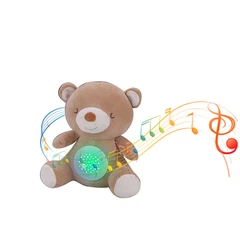
Sound Feed Puppy – The Sound Library Hidden Inside a Companion Pet
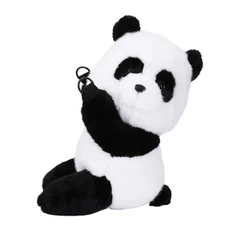
Details: A companion pet looks like a plush animal and behaves like a small content library. This West Highland terrier stands 140 × 170 × 110 mm and weighs 166.5 g, and what it actually carries is a set of sounds: thirteen puppy calls, three pieces of blessing music, three feeding sounds and five hiccups, all delivered through a 29 mm 8 Ω 0.25 W speaker from a soft body made of 100% polyester fabric and filling, with the plastic movement housed inside the padding. A 200 mAh lithium cell recharged over Type-C powers it, so the pet is available without a battery routine. Production runs start at 1,000 pcs, with trial quantities negotiable.
A Pet Is a Library Wearing Fur
The useful way to look at a talking plush is not as a toy with a sound chip but as a library that happens to be packaged in fabric. Everything a buyer can sell is in the sound set, and everything a manufacturer can make repeatable is in the way that set is organised. Two puppies from two factories can look identical in a photograph and behave nothing alike, because the difference is entirely in what they say and how often a child wants to hear it.
That is why the sound list deserves to be treated as the product's specification rather than as an afterthought bolted onto the pattern. Twenty-four separate sounds ship in this puppy, and they are not interchangeable pieces; they divide into layers, and each layer does a different job for the child holding the toy.
The first layer is the call set: thirteen puppy sounds that make the animal feel alive. These are the sounds a child triggers to check that the pet is paying attention, and they carry the personality of the character. A set that is too small wears out in an afternoon; thirteen gives enough variety that repetition stops feeling like repetition.
The second layer is feeding. Three suckling sounds turn the pet into something that can be looked after rather than merely pressed, which is the single most important shift in how a soft toy is used. A child who is feeding a puppy is engaged in a routine, and routines are what bring a toy back out of the box on a Tuesday evening.
The third layer is comedy. Five hiccups exist to be funny, and they are the sounds a child will repeat to make a sibling laugh. It is tempting to treat comic sounds as filler; in practice they are the layer most often quoted back to a parent, which makes them disproportionately valuable to word of mouth.
The fourth layer is occasion. Three pieces of blessing music give the pet a ceremonial mode, which matters because it is the layer that carries the product into gifting and celebration rather than everyday play. A buyer selling into a seasonal window needs one part of the library that belongs to that window.
Laid out this way, the library becomes a plan rather than a list. A buyer can decide how the balance between the layers should fall, extend one of them for a second edition, or rebuild the whole set for a different animal, and each of those is a content decision rather than a change to the toy itself.
What ties the layers together is the character they belong to. The fabric, the proportions and the breed all exist to make one specific puppy recognisable, and the sounds have to match that identity. Thirteen calls recorded for a different breed, dropped into this body, produce a toy that feels wrong for reasons a child cannot articulate and a buyer discovers only after the sample arrives.
Sound Feed Puppy – Model PT-003 Data Sheet
| Sound Feed Puppy – Specification Summary (PT-003) | |
| Item | Sound Feed Puppy / PT-003 |
| Call Set | 13 kinds of cute calls |
| Feeding Layer | 3 kinds of suckling sounds |
| Comic Layer | 5 kinds of hiccups |
| Occasion Layer | 3 kinds of blessing music |
| Speaker | 29 mm 8 Ω 0.25 W driver |
| Power | 200 mAh lithium cell recharged over a Type-C port |
| Fabric | 100% polyester |
| Filling | 100% polyester, with the plastic movement housed inside |
| Unit Size | 140 × 170 × 110 mm |
| Unit Weight | 166.5 g |
| Gift Box | 110 × 100 × 160 mm |
| Carton Configuration | 41.5 × 34.5 × 50 cm carton |
| Carton Weight | 6 kg |
| Compliance | CE, CPC, UKCA, FCC and RoHS; ASTM F963 or EN71 testing on request |
| Order Quantity | 1,000 pieces, with trial quantities by agreement |
Because the library is the product, the fastest way to price an edition is to describe the sound set rather than the plush. Send us the layers you want, the balance between them, the breed or character and the market it is aimed at, and the reply sets out the recording plan, the fabric and filling specification, tiered quantity bands, sample and trial terms and the packaging dieline – normally inside one working day. Full range here: https://www.kidsoundbook.com/products
Six Layers of Sound Inside One Puppy
Details: The library divides into six layers, and each one is a separate decision a buyer can plan, extend or replace. Together they are what makes the pet feel like a companion rather than a sound box.
The Call Set
Thirteen puppy sounds give the character a voice, and they are the sounds a child presses to check that the pet is responding. The number matters more than it looks: a short call set becomes predictable within a day, while thirteen gives a child enough variation that the toy still surprises them in the second week.
The Feeding Layer
Three suckling sounds turn the pet into something that can be cared for. That shift is what moves the product out of the novelty category, because a child who feeds a puppy has a reason to return to it rather than a reason to show it once. The sounds are short by design, so they can be repeated without becoming irritating.
The Comic Layer
Five hiccups are the layer a child repeats for an audience. Comic sounds look like filler on a specification sheet and behave like the most quotable part of the library in a living room, which makes them a small investment with an outsized effect on how the product is described to other parents.
The Occasion Layer
Three pieces of blessing music give the pet a celebratory mode, and that is the layer that carries it into gifting, birthdays and seasonal windows. A buyer selling into a calendar moment needs one part of the library that belongs to that moment, and this is the part designed for it.
The Character Itself
The fabric, the proportions and the breed are part of the content, not just the packaging. A West Highland terrier carries a different personality from a larger or a softer animal, and the sound set has to be recorded for the character it belongs to. Get that pairing wrong and the toy feels off in a way nobody can quite name.
The Language Layer
Every part of the library can be recorded in another language, which is how one puppy reaches several markets. Because the layers are separate, a buyer can localise the blessing music and the feeding sounds while leaving the animal calls as they are, or rebuild the whole set for a different territory without touching the toy.

Your Own Sound Plan
The six layers are a starting point rather than a fixed menu. A buyer can decide that the comic layer should be larger and the occasion layer smaller, add a layer of their own, or rebuild the set around a character they already own. What matters is settling the balance before recording begins, because a library assembled in the wrong order is re-recorded rather than re-edited.
The Commercial Case – Selling a Repertoire, Not a Plush
A soft toy usually competes on the shelf against a hundred others that look similar. Content is the one dimension where a small buyer can genuinely differentiate, and there are four reasons that pays.
| Two Ways to Launch a Companion | ||
| Sound feed puppy (PT-003) | A plain plush, or an app-linked companion | |
| What the child gets | Twenty-four recorded responses built in | Nothing, or a library that lives on a phone |
| Needs a network or an account | No | Usually yes for the app version |
| Can be given as a keepsake | Yes – blessing pieces are part of the library | Rarely; app gifts are not keepsakes |
| Second language | A re-recording on the same body | A second product, or a settings menu |
| Refresh without a new design | New recordings only | A new app version, which is not a retail object |
| Presentation | Compact 110 × 100 × 160 mm gift box | Depends entirely on the plush |
One limitation should be stated rather than glossed over. A rechargeable companion has no battery compartment, which is good for a toy that is squeezed constantly, but it also means the product can be silent if nobody remembers to charge it. Buyers in markets where households are used to chargeable toys will see no issue at all; buyers selling to households that expect a toy to work for a year untouched may prefer a cell version. The repertoire is the same either way.
How a Companion Library Gets Built
The hardware side of an order like this is routine; the recordings are where a project is either quick or slow. The sequence below is the one a content-led companion follows.
| Content Build Path – Companion Toy | ||
| Stage | What Happens | What the Buyer Decides |
| 1. Repertoire list | The blocks and the number of clips in each are agreed | Calls, feeding sounds, comic sounds, celebration pieces |
| 2. Script and direction | The character of the voice is defined before anything is recorded | Tone, age of the animal, energy level |
| 3. Language plan | The languages and any dialect branches are settled | Which markets, and whether one body carries several |
| 4. Recording | Voices and music are recorded and reviewed against the character | Approval of each block |
| 5. Level and balance | Clips are levelled so the puppy stays consistent across the repertoire | The volume ceiling for a toy held close to the face |
| 6. Pattern and body | The pattern is set around the agreed behaviour and the mechanism | Proportions, fabric and the two colour options |
| 7. Sample and testing | A finished puppy is supplied and assessed for the destination markets | Sign-off, markets and labelling |
| 8. Production and packing | The run is built, loaded and packed for export | Quantity, delivery window and shipping instructions |
The stage that most often decides the launch date is the first one. A buyer who arrives with a finished list of blocks can be recording within days, while one who arrives with a general intention spends weeks deciding what the puppy should actually say. On a content-led product the list is the specification.
Six Buyers Who Want the Library, Not Just the Plush
The buyers who get the most from this product are the ones who think about the sound set first and the soft body second. Six of them order it most often.
Where Each Layer Earns Its Keep
| Sound Layer Map – Sound Feed Puppy | ||
| Layer | What It Does for the Child | What It Gives the Buyer |
| The thirteen calls | Makes the pet feel alive and responsive | Variety that survives daily play |
| The feeding sounds | Gives the child a routine to repeat | A reason to take the toy out again |
| The hiccups | Something funny to show someone else | Word of mouth inside a family |
| The blessing music | A moment that feels like an occasion | Entry into gifting and seasonal windows |
| The character | An animal the child can name | A recognisable shelf presence |
| The language layer | A pet that speaks the household language | One product line across markets |
Two habits make a layered library easier to run. Record each layer as a separate group rather than as one continuous session, because a buyer who wants to change the occasion music should not have to re-approve the animal calls. And keep the trigger for each layer consistent between editions, so that a child who learned where to press on the first puppy finds the same arrangement on the next animal in the range.
The Commercial Case – A Plush That Keeps Talking
A soft toy is normally bought once and kept for comfort. A layered sound set changes what it is worth to a retailer, for four reasons worth setting out.
| Two Companion Pets on the Same Shelf | ||
| Sound feed puppy (PT-003) | A plush with a single sound chip | |
| How many sounds | Twenty-four across four layers | Usually one, repeated |
| Something to care for | Feeding sounds that invite a routine | Nothing to look after |
| A reason to laugh | Hiccups a child shows to somebody else | Nothing to quote |
| A gift occasion | Blessing music built into the set | Depends on the packaging alone |
| Building a series | Another breed is a new recording | A new product each time |
| Selling into another language | Re-record the layers that need it | Usually a start-from-scratch edition |
One limitation is worth stating plainly. A soft body holds a speaker and a movement, so the puppy is a wipe-clean product rather than a washable one, and the mouth area deserves the most attention in use. Telling a buyer that is better than letting them discover it, and it is a single sentence a shop assistant can pass on at the till.
From Sound Plan to Sealed Carton
A library-led soft toy runs in a different order from a plain plush, because the sound set is agreed before the body is finalised around it. The sequence below is the one this puppy follows.
| Project Flow – Sound Feed Puppy | ||
| Stage | What Happens | What the Buyer Decides |
| 1. Sound plan | The layers and their balance are agreed first | How many sounds and where the emphasis falls |
| 2. Character brief | The animal, its proportions and its personality are set | Breed, size and the fabric direction |
| 3. Trigger layout | The points the child presses are placed against the pattern | Where feeding and calling are triggered |
| 4. Recording | Each layer is recorded as its own group | Language, voice and the length of each sound |
| 5. Sample | A finished puppy is handled and listened to | Sign-off on feel, sound balance and the trigger points |
| 6. Packaging | The gift box and any sleeve are finalised | Whether the edition is a gift pack or a plain carton |
| 7. Testing | The product is assessed for each destination market | Which markets and which labelling applies |
| 8. Production and despatch | The run is sewn, loaded, checked and packed | Quantity, delivery window and shipping instructions |
The stage that most often slips is the fourth, because a layered library is recorded in groups and a group that arrives late holds the whole edition. Buyers who approve the sound plan before the pattern is cut, and record the layers in the order they will be built, reach the sample stage with both halves ready. A library assembled in the wrong order is not edited afterwards; it is recorded again.
What Buyers Ask About the Puppy's Repertoire
Q1: How is the repertoire decided, and who chooses the clips?
The buyer does, and it is the first decision on the project rather than the last. Twenty-four clips are supplied as the standard arrangement: thirteen calls, three blessing pieces, three suckling sounds and five hiccups. Those proportions can be changed entirely, so a brand aimed at babies might weight the library towards feeding sounds while a gift line might ask for more celebration material.
Q2: Can we send our own recordings?
Finished audio can be supplied and we will check it for level, length and consistency before it is loaded, or the studio can record the set from a written direction. The one thing worth settling early is the character of the voice, because a library assembled from unrelated recordings sounds like a series of effects rather than like one animal.
Q3: How is it powered, and what is the trade-off?
A 200 mAh cell recharged through a Type-C port. The advantage is that there is no battery compartment on a toy that is squeezed and hugged constantly, and no cells for a household to buy. The cost is that the puppy has to be charged periodically, and a family that forgets will find it quiet. It is a genuine trade rather than a free improvement, and it suits markets where rechargeable children's products are already the norm.
Q4: How many languages can one puppy carry?
As many as the library and the storage allow, and the choice is made per order. Some buyers produce a single-language edition for one market; others load two and select on the unit. Because the repertoire is recorded rather than generated, both routes are a recording cost rather than a design cost, and the body does not change either way.
Q5: What is the right way to keep it clean?
Wipe the surface by hand. The shell and the stuffing are polyester and the motion mechanism sits between them, so the puppy is not built to be immersed, and a household that expects to put it through a washing machine will be disappointed. Telling the customer this on the packaging is worth more than adding another feature to the box.
Q6: Can the celebration pieces be changed for our market?
They can, and they are the block most often customised. A blessing that suits a naming in one country may be entirely wrong in another, and a seasonal message can be substituted for a general one. Because the block is short and self-contained, changing it never disturbs the rest of the library or the toy itself.
Q7: What do quantities and samples look like on a first order?
A production run starts at 1,000 units, and shorter trial quantities can be arranged on terms set out with the quotation. Samples are supplied as complete puppies with the library loaded, because the repertoire can only be judged by pressing the toy and listening rather than by reading a clip list. What you pay for samples is credited back against the production order.
Q8: Where is the puppy produced, and can a buyer visit?
Sewing, electronics, recording preparation, movement fitting and packing all happen at our own site in Shenzhen, which is what allows a content-led companion to be recorded, built and tested in one place. Buyers are welcome to visit or to follow a run over a live video call, and every unit can be traced from its materials through to the sealed carton.
The Workshop Behind the Puppy
for children
Companion pets such as this puppy are produced by Xinditai Electronics, a Shenzhen manufacturer that has concentrated on children's audio products since 2010. The programmes it runs are OEM and ODM development of children's audio and interactive products, including sound plush, story players, sound books, talking cards, writing tablets, projection toys and sleep aids, for brands, retailers and distributors in many markets.
Fabric work, electronics, speaker tuning and packing share one 3,000-square-metre plant with more than 100 engineers and operators, which is what makes a layered sound library practical to record and build in a single place. The house works to a short standard – Create with heart, ship with pride – and inspection sits inside each step rather than only at the end, so a unit can be followed from its fabric and components to the carton that left.

Compliance & Certificates
Certificates
A sound plush is judged on its textile side and its electronic side at the same time, so the paper file covers both and is put together for the markets on the order. It is checked again whenever a relevant standard is revised, so what travels with a shipment describes that shipment.

CE

RoHS

FCC

SEMTA

EMC

ISO