

Screen Free Audio Player Boosts Early Childhood Development
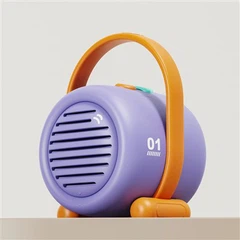
The toys children interact with during their first six years shape core cognitive, language, and social skills that last a lifetime. Many toys on the market focus only on short-term entertainment, with little attention to long-term developmental growth. The RFID interactive storyteller stands out as a purpose-built screen-free tool that supports healthy development through natural, playful learning. It fits easily into daily routines at home and in educational settings, delivering consistent value as children grow 🧠

Why Audio-First Play Shapes Stronger Young Minds
Audio-based play creates an active learning environment that differs greatly from passive screen time. When children watch video content, visuals are provided for them, so their brains do not need to build mental images. With audio storytelling, the brain must actively construct scenes, characters, and actions, which strengthens neural connections related to memory and creativity.
This type of active listening also builds longer attention spans. Unlike video content that switches visuals every few seconds to hold attention, audio stories reward steady, focused listening. Over time, this practice helps children concentrate for longer periods, a skill that directly supports school readiness. For families looking for meaningful play options, a screen free audio player for toddlers turns everyday story time into a brain-building activity.
 Core Developmental Skills Built Through RFID Story Play
Language & Vocabulary Growth
Regular audio storytelling is one of the most effective ways to build early language skills. Each story introduces new words, sentence structures, and pronunciation patterns that children absorb naturally through play. Unlike one-sided video content, audio stories encourage children to repeat phrases, retell plots, and ask questions about what they hear.
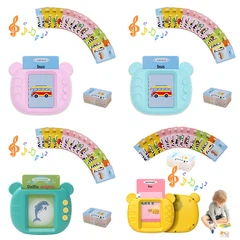
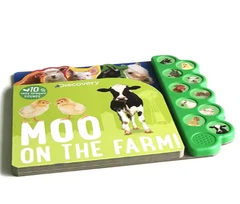
The no app story player for kids supports uninterrupted language practice, with no pop-up notifications or menu distractions to break focus. Each RFID character can be paired with themed content - from animal facts to nursery rhymes - so children build vocabulary across different subjects as they expand their character collection.
Attention & Focus Training
Screen-free audio play trains children to sustain focus without constant visual stimulation. Many modern toys reward short, fast-paced interaction, which can shorten attention spans over time. Audio storytelling requires steady, patient listening, which acts like exercise for a child's focus muscles.
Child development experts widely recognize ages 2 to 3 as a critical window for building foundational attention skills. Many parents and early educators consider this the best story machine for 2 year old use, because the simple place-and-play design does not pull focus away from the story itself. Children practice listening from start to finish, building a skill that supports classroom success later on.
 Imagination & Creative Thinking
Without pre-made visuals to guide them, children build unique mental images as they listen to stories. One child might picture a forest with tall pine trees, while another imagines bright, colorful woods - both versions are valid, and both exercise creative thinking. This open-ended play is a core part of healthy cognitive development.
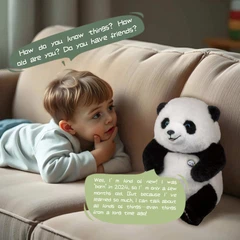
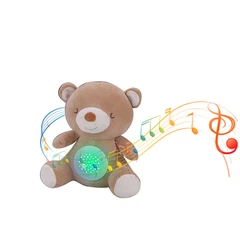
Plush character figures add a physical, tactile layer to this creative play. Children can hold, move, and act out stories with the characters while they listen, blending physical play with audio content. As a battery free plush audio toy option, the figures are safe for even younger children to handle and cuddle, with no electrical parts to limit creative play.
Emotional Awareness & Calming Skills
Story audio helps children recognize and process feelings through relatable characters and plots. Many storylines deal with common childhood emotions such as fear, excitement, sadness, and friendship. Hearing characters work through these feelings helps children name and understand their own.
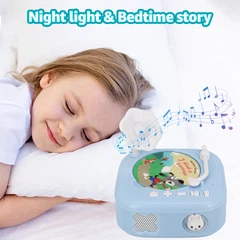
The built-in soft night light and quiet audio also support emotional regulation at bedtime. A consistent wind-down routine with calm stories helps children transition from active play to sleep. This makes the device a useful tool for building healthy sleep habits and reducing bedtime resistance.
Age-by-Age Use Guide for Maximum Developmental Value
The storyteller grows with the child, adapting to different developmental stages from toddlerhood to early elementary school. The table below outlines recommended use for each age group, so parents and educators can match play to current skill levels.
| Age Group | Developmental Focus | Recommended Daily Use | Content Suggestions |
|---|---|---|---|
| 1–2 Years | Sensory exploration, first words, emotional comfort | 10–15 minutes per session | Simple nursery rhymes, soft lullabies, familiar family recordings |
| 2–3 Years | Vocabulary growth, basic attention, independent play | 15–25 minutes per session | Short fairy tales, animal sound stories, simple counting songs |
| 3–5 Years | Imagination, narrative skills, emotional understanding | 25–40 minutes per session | Longer story series, science facts, character adventure plots |
| 5–6 Years | Listening comprehension, memory recall, sequential thinking | 30–45 minutes per session | Chapter stories, language learning tracks, puzzle and mystery tales |
The device's offline design makes it useful beyond the home as well. As an offline audio toy for car travel, it keeps children engaged during long rides while continuing to support language and focus skills, instead of relying on passive screen entertainment.

Practical Tips for Parents and Educators
Maximizing the developmental benefits of the storyteller only takes simple, consistent habits. First, set a regular daily time for story play, so children know what to expect and build a routine. Second, pause after stories to ask simple questions about the plot or characters - this helps children practice recall and critical thinking. Third, use the voice recording feature to add personal messages and custom stories, which strengthens emotional connection and makes content feel more relevant to the child's life.
For daycares, preschools, and activity centers, the system can be customized with educational content aligned to specific curriculums. Brands and educational organizations can work with our OEM/ODM team to create custom character designs and preloaded learning content tailored to their program goals.

Healthy early development is built through small, consistent, playful experiences every day. The RFID screen-free storyteller turns ordinary story time into an opportunity to build language skills, strengthen focus, grow creativity, and support emotional well-being. It works across age groups, fits easily into daily routines, and delivers long-term value that goes far beyond simple entertainment.
Whether used at home, in a classroom, or as part of a branded educational product line, it offers a research-aligned way to support young children's growth through screen-free, hands-on play.
For educational customization inquiries, bulk order details, or product samples, contact us via email at xdt04@dtdianzi.com or WhatsApp at +86 136 0263 5993.