
Safe Plush Toy Design Wins Child AI Privacy Trust
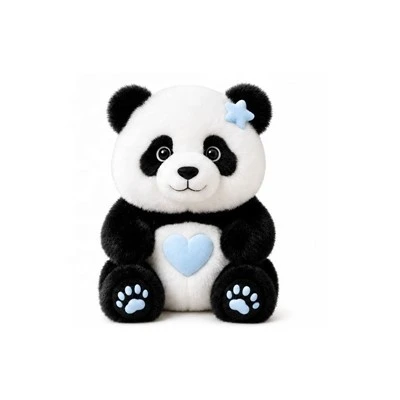
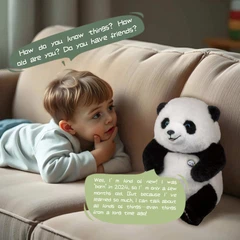
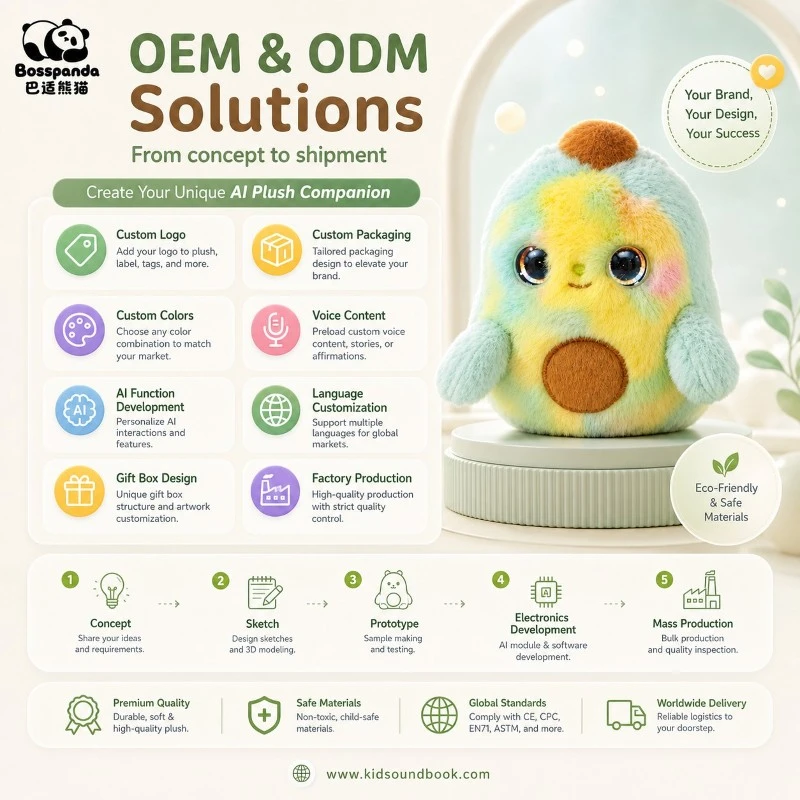
Walk into any parent forum in 2026 and the same question sits quietly at the top. It is not about whether the toy talks. It is about whether the toy listens when it should not. A WiFi-connected plush toy carries a microphone, a speaker, and a network connection into a child's bedroom. That fact changes the buying conversation forever. 🔒
A brand that treats safety as a paperwork checklist loses the parent in the first ten seconds. A brand that treats safety as a design layer earns a trust that shows up in reviews, repeat buys, and shelf placement. This article walks through what parents actually check, what brands should ask their factory, and where most products quietly fall short.
The Question Parents Are Actually Asking
When a parent lifts a connected plush off the shelf, they are not reading the AI model specs. They are asking four practical questions. Does it record my child? Where does the sound go? Can my kid swallow a small part? Is the battery safe overnight? These questions do not appear in product marketing copy, but they decide whether the toy comes home.
Brands that answer these questions up front win the shelf. Brands that answer them only when asked lose the moment. The packaging, the manual, and the APP onboarding all have a job to do here. They are not compliance filler. They are the first trust signal.
What Safety Design Actually Covers
Safety is not one decision. It is four separate layers that must all hold at once. 🛡️
🧸 Materials: What Touches the Skin
A child hugs a plush toy against the face for hours. The outer fabric, the dye, the filling, and the embroidered details must all be skin-safe. Parents now look for names they recognize: non-toxic dyes, BPA-free parts, and filling that does not shed. A toy that passes one material test but fails on dye fastness is a toy that gets returned after the first wash.
🔋 Battery: What Powers the Toy
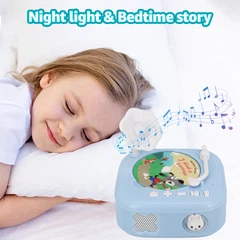
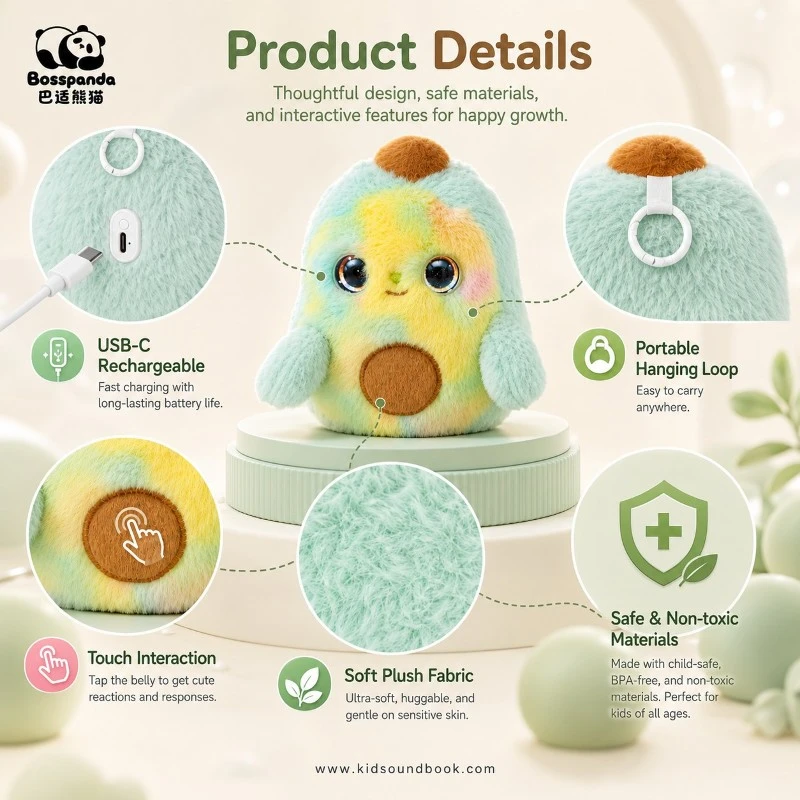
A rechargeable plush spends nights in a child's bed. The battery must be sealed, the circuit must have overcharge protection, and the charging port must be hard for a small child to open. Parents remember headlines about swollen batteries. They do not trust a toy that looks easy to open.
🎤 Microphone: What the Toy Hears
This is the layer that worries parents most. The microphone should only listen when the child presses a button or speaks a wake word. It should not stream continuously to a cloud. Parents should be able to see, on the toy itself, when the microphone is active. A small LED that lights up during listening is worth more than any privacy policy.
📶 Network: Where the Data Goes
A connected toy sends voice clips to a server. Parents want to know where that server is hosted, how long the clips are kept, and whether the data is sold. Brands that cannot answer these questions in plain English lose the trust of the more informed parent, which is exactly the parent most likely to leave a review.
A Quick Reference: Certifications Worth Asking For
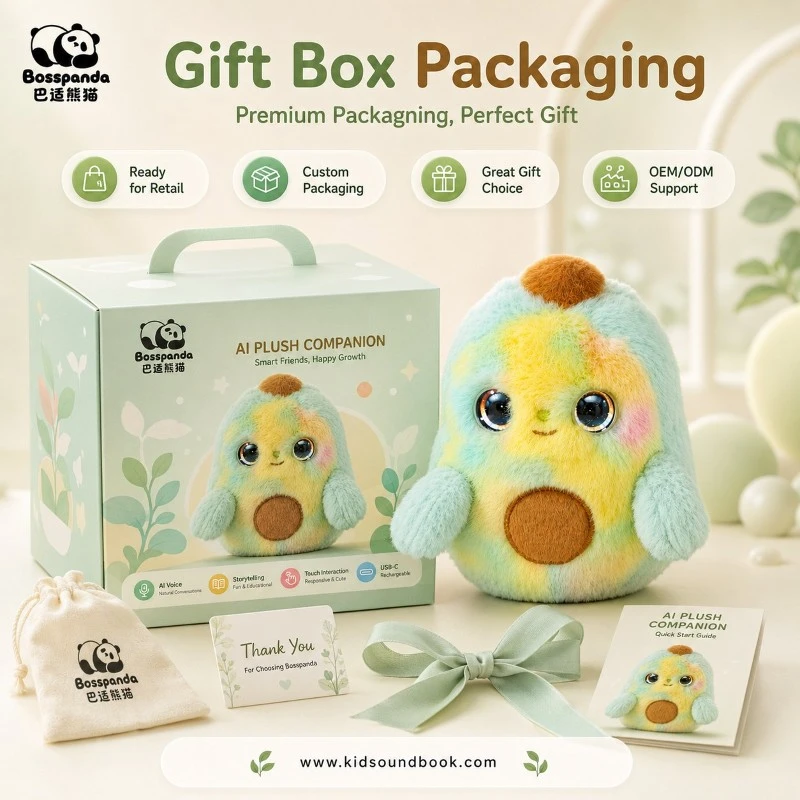
Before approving a private-label run, ask the factory which of these the product already holds. 📋
| Region | Certification | What it covers |
|---|---|---|
| 🇺🇸 United States | CPC | Children's product safety tracking |
| 🇺🇸 United States | FCC | Electronic interference and network safety |
| 🇪🇺 European Union | CE | Health, safety, and environmental standards |
| 🇪🇺 European Union | RoHS | Restricted harmful substances |
| 🌍 International | ASTM | Toy safety standard for materials |
| 🌍 International | ISO 9001 | Factory quality management system |
A factory that already holds this stack can ship into strict markets with shorter lead time. A factory that promises to "get certified later" usually means the first shipment will be delayed.
The Mistake Brands Make
Most brands treat safety as the last item on the checklist. It gets handled after the model is chosen, after the shape is locked, after the packaging is printed. By then, the microphone is fixed, the battery shape is fixed, and the port position is fixed. Reworking any of them to pass a safety review is expensive.
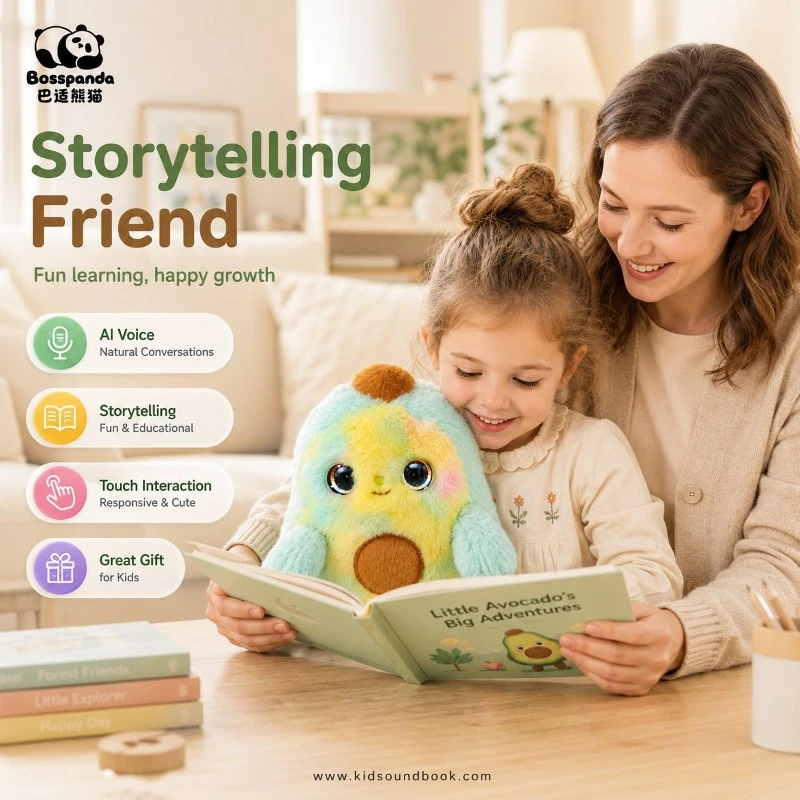
The smarter move is to bring safety questions into the very first design conversation. Ask where the microphone will sit, how the battery will be sealed, and what the parent sees on the box. These decisions shape the product, not just the paperwork.
A Note on the AI Debate
There is a common argument that more AI capability means more data, and more data means less privacy. This is a false trade-off. A well-designed connected toy can offer natural conversation while the microphone is off except when triggered. The model does not have to listen all day to sound intelligent. Brands that confuse "always listening" with "smart" are the ones that create the parent backlash in the first place.
The winning products in the next two years will not be the ones with the loudest AI claim. They will be the ones a parent can place on a child's night stand without a second thought. That quiet trust is a competitive moat that no model upgrade can copy.
A connected plush toy is a microphone in a child's room. That fact is not a weakness. It is the reason parents will pay more for a brand they trust. Safety is not a cost center. It is the shelf advantage that separates a toy that gets returned from a toy that gets handed down.
If you are planning a 2027 line and want to see how our production line handles materials, battery sealing, microphone control, and certification as one design process, we are glad to walk through it.
Judy
Shenzhen Xinditai Electronic Co., Ltd.
Website: www.kidsoundbook.com
Email: xdt04@dtdianzi.com
WhatsApp: +86 136 0263 5993