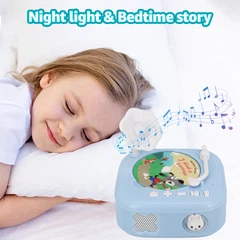
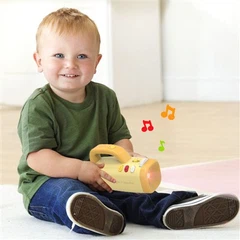
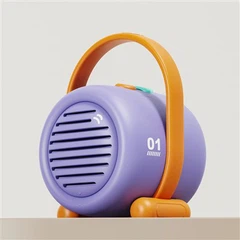
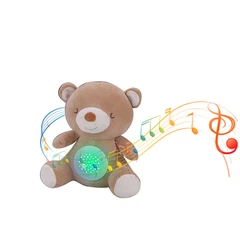
In the toys & gifts industry, "safety" is the ultimate buzzword. But as regulations multiply across borders, are we truly protecting children-or simply creating barriers to creativity and global trade?
If you've ever struggled with toy certifications, you're not alone. Let's break down the world's major toy safety standards, region by region, and spark a debate: Are these rules safeguarding kids, or stifling innovation?
🌍 Global Toy Certification Systems: A Comprehensive Overview
1. European Union 🇪🇺
CE Mark + EN71 + ROHS
Mechanical & Physical: Small parts, sharp edges, pull, drop, torque, compression, moving parts durability
Flammability: Textile, plush, plastic ignitability
Chemical: Heavy metal migration (lead, cadmium, mercury), phthalates, allergens, formaldehyde
Electrical: Insulation, overheating, short circuit, accessible live parts
Labeling: Age grading, warnings, traceability, manufacturer/importer info
ROHS: For electronic toys – restricts lead, cadmium, mercury, hexavalent chromium, PBB, PBDE

CE ROHS EN71
2. North America 🇺🇸🇨🇦
CPSIA + ASTM F963 (USA) / CCPSA + SOR/2011-17 (Canada)CPSIA + ASTM F963 (USA) / CCPSA + SOR/2011-17 (Canada)CPSIA + ASTM F963 (USA) / CCPSA + SOR/2011-17 (Canada)CPSIA + ASTM F963 (USA) / CCPSA + SOR/2011-17 (Canada)
Lead: ≤100ppm (substrate), ≤90ppm (surface coating)
Phthalates: Limits on 8 types
Small Parts: Choking hazard for under-3s
Mechanical & Physical: Drop, pull, compression, sharp edges/points, projectile toys
Flammability: Fabrics, plush, foam
Chemical: Heavy metals, toxicology
Electrical: Battery safety, accessible voltage/current
Labeling & Traceability: Batch, date, manufacturer info, bilingual labeling (Canada)
Third-party lab testing required

For US and Canada
3. China 🇨🇳
CCC (China Compulsory Certification)
Mechanical & Physical: Drop, pull, torque, sharp edges, moving parts
Flammability: Material ignitability
Chemical: Heavy metals, phthalates, formaldehyde
Electrical: Insulation, overheating, short circuit (electronic toys)
Labeling: Chinese warnings, age grading, manufacturer info

CCC
4. Australia & New Zealand 🇦🇺🇳🇿
AS/NZS ISO 8124
Mechanical & Physical: Small parts, sharp edges, drop, pull
Flammability: Material ignitability
Chemical: Heavy metal migration
Labeling: English warnings, age grading

AS/NZS for AU and NZ
5. Eurasian Economic Union (EAEU: Russia, Kazakhstan, Belarus, etc.) 🇷🇺
EAC (Eurasian Conformity Mark) TR CU 008/2011
Mechanical & Physical: Drop, pull, sharp edges
Flammability: Material burning
Chemical: Heavy metals, formaldehyde
Labeling: Russian warnings, manufacturer info

EAC
6. Brazil 🇧🇷
INMETRO
Mechanical & Physical: Small parts, sharp edges, drop
Flammability: Material burning
Chemical: Heavy metals, phthalates
Labeling: Portuguese warnings, age grading

Brazil Standard
7. India 🇮🇳
ISI Mark (BIS Certification)
Mechanical & Physical: Drop, pull, sharp edges
Flammability: Material burning
Chemical: Heavy metals
Labeling: Hindi/English warnings

IN Standard
8. Middle East (Gulf Countries) 🇸🇦🇦🇪
GCC Conformity Mark + SASO (Saudi Arabia)
Mechanical & Physical: Based on EN71-1
Flammability: Based on EN71-2
Chemical: Based on EN71-3
Labeling: Arabic warnings, instructions, age grading
Documentation: Technical file, Declaration of Conformity

SASO

GCC
9. Japan 🇯🇵
ST Mark
Mechanical & Physical: Drop, pull, sharp edges, small parts
Chemical: Heavy metals, phthalates, formaldehyde
Flammability: Material burning
Labeling: Japanese warnings, age grading

ST mark for JP
10. South Korea 🇰🇷
KC Certification
Mechanical & Physical: Similar to EN71/ASTM F963
Chemical: Heavy metals, phthalates, formaldehyde, nitrosamines
Electrical: Battery, EMC
Labeling: Korean warnings, manufacturer/importer info

KC Logo
🚧 Industry Dilemma: Compliance vs. Creativity?
Are these certifications truly protecting children, or have they become trade barriers and innovation blockers?
Multiple certifications mean repetitive testing, translation, and documentation-raising costs and time for SMEs.
Conflicting limits and test methods restrict design freedom and slow down global launches.
Big brands can absorb the burden; startups may be shut out before they begin.
Your Thoughts? Let's Discuss! 💬
Have certification rules ever killed your creative idea or delayed market entry?
Do multi-region compliance costs hold you back?
Can global toy safety standards ever be harmonized?
Share your best practices for balancing compliance and innovation!
About Xinditai's Commitment to Global Standards 🏅
At Xinditai, our products are widely compliant with both European and U.S. toy safety standards, and we have obtained all necessary certificates for these markets. For other region-specific certifications, we support our clients through OEM or ODM models to achieve compliance.
Here's how our certification support works:
For full OEM projects: The certification holder is the client, and the certification costs are borne by the client.
For ODM projects: The certification holder can be either the supplier or the client, and the certification costs are negotiated between both parties.
We are committed to making global market entry as smooth as possible for our partners, ensuring both safety and business efficiency.

XDT FCC

XDT Sound Book CE

XDT RoHS

WEEE

ERP
#ToyIndustry #GlobalCompliance #ProductSafety #CE #EN71 #CPSIA #CCC #INMETRO #BIS #EAC #GCC #STMark #KC #QualityAssurance #Innovation #Export #Trade #Manufacturing #SMEs #Startups #LinkedInDiscussion
Let's push for a safer AND more creative future for toys! The conversation starts here. 🚀
If you have any problems with the authentication system in security, feel free to contact me anytime.🚀