
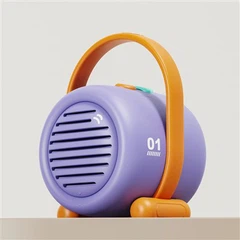

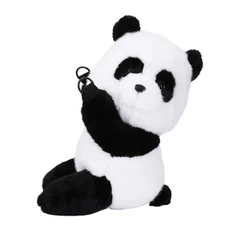
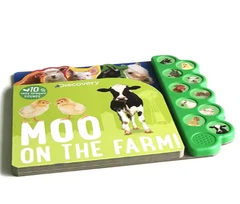
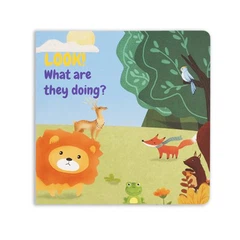
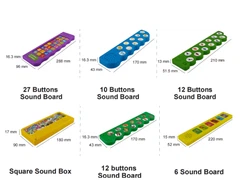
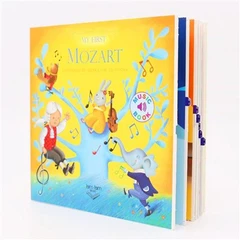
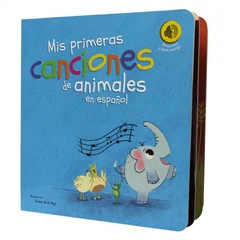
In today's market where product homogenization is increasingly common, consumers make decisions in mere seconds while browsing shelves. Packaging is no longer just a container; it is the first bridge of communication between the brand and the consumer, a concentrated embodiment of brand quality, and a powerful "silent salesperson."
For professional buyers like you, systematically evaluating whether a toy's packaging reflects brand quality requires assessment across the following five dimensions:
1. Visual Design: The First Impression of "Premium Feel"
Logo & Color Application: Is the brand logo presented exquisitely? Is it simply printed, or does it use special processes like hot stamping, UV coating, or debossing? Do the primary colors align perfectly with the brand's VI system and accurately convey brand personality (e.g., blue/silver for tech, natural wood tones for eco-friendly)?
Typography & Layout: Is the font selection stylish? Is the information hierarchy clear, structured, and adherent to design principles? Cluttered layout immediately diminishes a brand's professional image.
Imagery: Are the product images high-definition, - exquisite/refined), and- demonstrate) the best angles and- play patterns)? Are appealing scene shots or IP characters used? Low-quality imagery suggests a lack of attention to detail.

2. Material & Craftsmanship: The "Sincerity" You Can Touch
Material Selection: Is cheap, flimsy, easily deformed corrugated cardboard used, or is it sturdy, thick white cardstock or specialty paper? The material choice directly determines the packaging's "rigidity" and crush resistance, impacting how it appears on shelves after shipping.
Craftsmanship Details: This is the key to conveying quality. Inspect carefully:
Lamination: Is a soft-touch film or gloss/matte film used to enhance (shǒugǎn - tactile feel) and visual effect?
Special Processes: Are processes like hot stamping (foil/stamping), debossing/embossing, or spot UV varnish applied? These details cost more but significantly enhance the packaging's refinement and memorability.
Mold Structure: Is the die-cutting precise? Are the edges clean and free of burrs? High-quality packaging molds require substantial investment.
3. Functionality & User Experience: The "Surprise" That Exceeds Expectations
High-quality packaging also focuses on user experience, which greatly enhances brand affinity.
Opening Mechanism: Is the package easy to open while still ensuring product safety during transport? Excessive tape and complicated plastic ties ruin the unboxing experience.
Internal Structure: Is there innovative internal securing (e.g., eco-friendly pulp molding)? Are components categorized and orderly? A messy interior gives consumers a first impression of "cheap" and "careless."
Information Clarity: Are the product selling points, play patterns), age grade, and safety warnings immediately obvious? Disorganized information architecture indicates a lack of professionalism.
4. Sustainability & Environmental Protection: The Modern Brand's "Responsibility"
Eco-friendliness is no longer a bonus but a requirement. Using sustainable packaging is a crucial reflection of a brand's social responsibility, significantly boosting its image among young parents.
Materials: Does it use FSC-certified paper, recycled materials, or biodegradable materials?
Design: Does the design follow principles of reducing ink and plastic use (e.g., eliminating blister packs)?
Messaging: Are eco-certifications or recycling symbols clearly marked on the packaging? This itself communicates brand values.

5. Brand Consistency & Series Cohesion: The "Strategic Vision" for Long-Term Building
Series Unity: If you are sourcing different product lines from the same brand, is their packaging design language consistent? (e.g., unified color scheme, logo placement, font style). Strong series cohesion reinforces brand recognition and drives sales of the entire series.
Cross-Line Extension: Does the packaging quality correspondingly scale from low to high price points? Packaging for premium product lines must use superior materials and craftsmanship to justify their higher price.
Practical Evaluation Checklist for B2B Clients
Use this checklist the next time you evaluate samples from suppliers:
[ ] Visual Impact: Does it catch my eye from 3 meters away? Does it hold up under close inspection at 0.5 meters?
[ ] Tactile Quality: Picking it up, does it feel substantial or flimsy? Is the paper surface pleasant to touch?
[ ] Craftsmanship Details: Are special processes like hot stamping or debossing used? Is the execution refined?
[ ] Structural Design: Is it easy to open? Are the internal components secured safely and orderly?
[ ] Eco-Credentials: Is unnecessary plastic reduced? Are there sustainability certification marks?
[ ] Information Delivery: Can I understand what it is, how to play with it, and who it's for within 30 seconds?
[ ] Series Cohesion: Does it look like it belongs to the "Jellycat Brand" family? Do products in the series look harmonious together?

Conclusion: Packaging is the Brand's Final Annotation on Its Product
A brand willing to invest and refine its packaging fundamentally demonstrates confidence in its product's value, respect for its consumers, and foresight for the market. Excellent packaging reduces your sales difficulty, decreases shipping damage, enhances customer satisfaction, and ultimately creates a win-win situation for both brand and distributor.
Choosing us means selecting not only a quality toy but also a complete brand solution-from product to packaging. We understand that every detail embodies your brand's quality.
Contact our account manager to receive the latest product catalog and a detailed explanation of our packaging processes. Let us show you the true meaning of "details make the brand."
Reference article
toy packaging design brand perception
B2B product packaging competitive advantage
sustainable packaging consumer behavior
unboxing experience brand loyalty
packaging as a silent salesman