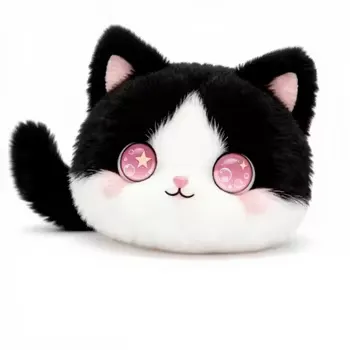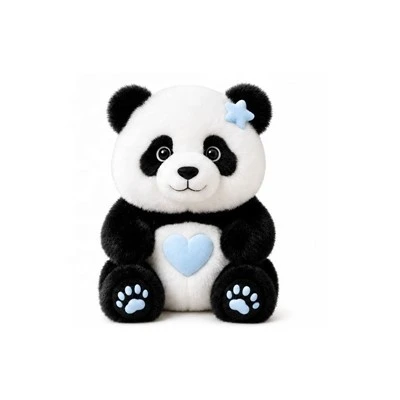
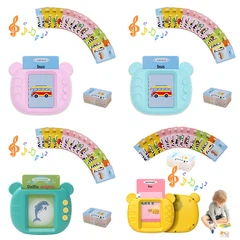
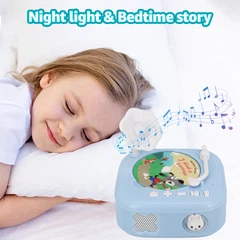
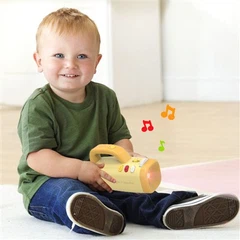
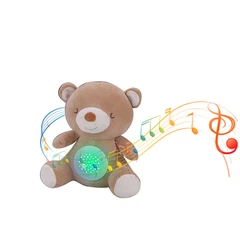
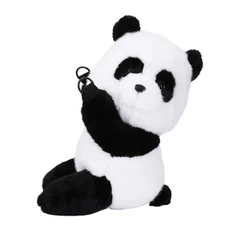
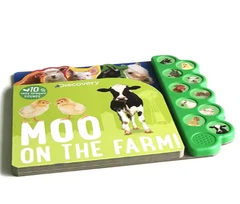
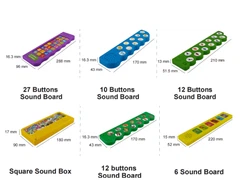
Interactive plush toys blend soft textures with engaging features like sounds, lights, and responsive movements to support sensory development and emotional comfort. These cuddly companions help children regulate emotions, build social skills, and explore sensory input safely-perfect for playtime, bedtime, or moments when extra reassurance is needed.
Why Interactive Plush Toys Matter
Unlike traditional stuffed animals, interactive plush toys respond to touch, voice, or motion, creating predictable feedback that helps children:
- Self-regulate emotions through calming vibrations or gentle sounds 😌
- Develop empathy by caring for a "friend" who reacts to their actions ❤️
- Strengthen sensory processing with multi-sensory feedback (touch + sound + sight)
Types of Interactive Plush Toys & Their Benefits 🔍
| Type | Key Features | Sensory Input | Best For Ages | Examples |
|---|---|---|---|---|
| Sound-Activated | Plays music/lullabies when moved | Auditory, Tactile | 6m+ | Singing bears, Talk-back pets |
| Light-Up | Glows or flashes on touch | Visual, Tactile | 1yr+ | Plush with LED tummies |
| Vibration | Gentle buzz when hugged | Tactile, Proprioceptive | All ages | Calming vibrating animals |
| Multi-Sensory | Combines lights, sounds, and textures | Multi-sensory | 2yr+ | Interactive learning pals |
| Responsive Motion | Moves head/limbs when touched | Visual, Kinesthetic | 3yr+ | Nodding puppies, Dancing bunnies |
Developmental Superpowers 🦸♂️
1. Emotional Security
Predictable responses (e.g., a lullaby when squeezed) create anchors of consistency. An anxious child might hug a vibrating plush to self-soothe during transitions 🛟.
2. Social & Language Growth
Toys with recordable voices encourage:
- Turn-taking ("Your turn to ask Fluffy a question!")
- Empathy ("Is Teddy sleepy? Let's tuck him in!")
- Vocabulary expansion through playful dialogue 🗣️
3. Sensory Integration
Textured fabrics (satin, faux fur) paired with lights/sounds help brains process multi-sensory input without overwhelm. Ideal for children with SPD or autism 🧠.

Choosing the Right Interactive Plush ✅
Match to Needs:
- Sound-sensitive kids → Vibration-only toys (no audio)
- Seekers of input → Plush with varied textures (crinkle ears, ribbon tags)
- Anxious children → Weighted options (5% of body weight) for deep pressure
Safety First:
- Machine-washable fabrics
- Securely embedded electronics
- Non-removable batteries (tested for chew-resistance)
Pro Tip: Introduce during calm moments. Observe if the child:
✅ Initiates interaction (smiles, hugs)
⚠️ Avoids or overloads (covers ears, pushes away)
Why Every Child Benefits 🌈
From infants discovering cause-and-effect ("I squeeze → it sings!") to older kids confiding in a non-judgmental friend, interactive plush toys:
- Build emotional resilience
- Make abstract concepts (empathy, patience) tangible
- Offer portable comfort in overwhelming situations
Tip: Rotate toys monthly to sustain engagement!