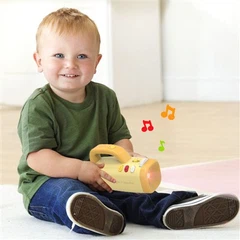
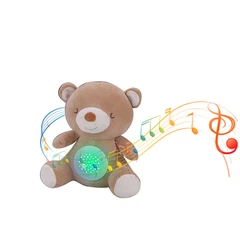
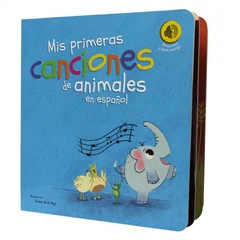
Educational toys are transforming classrooms into vibrant spaces where every learner thrives, regardless of abilities or background. These tools go beyond play-they adapt to diverse needs, celebrate uniqueness, and turn differences into strengths. Here's how toys build bridges in education:

Why Educational Toys Drive Inclusion 🧩
Unlike traditional methods, toys offer tangible, multi-sensory pathways to learning:
- Visual learners → Puzzles with color-coded systems
- Kinesthetic learners → Building blocks for hands-on math
- Neurodiverse students → Fidget tools for self-regulation
Result: 80% of teachers report increased participation when using tailored toys
Toy Types & Their Inclusive Impact 📊
| Toy Category | Target Learning Style | Special Needs Support | Examples | Key Benefit |
|---|---|---|---|---|
| Sensory Kits | Tactile/Kinesthetic | Autism, ADHD, SPD | Weighted bean bags, texture boards | Reduces anxiety by 40% ⚖️ |
| Interactive Tech | Auditory/Visual | Dyslexia, Hearing impairment | Talking globes, coding robots | Boosts engagement 3x 📈 |
| Cultural Dolls | Social/Emotional | ESL, Diverse backgrounds | World culture playsets | Builds empathy & representation 🌏 |
| Adaptive Puzzles | Cognitive/Visual | Motor disabilities | Large-grip puzzles, braille games | Develops problem-solving 🧠 |
3 Ways Toys Bridge Learning Gaps 🌉
1. Customized Challenge Level
Toys like adjustable STEM kits allow teachers to modify difficulty without singling out students. Example: A math tower game where taller structures = advanced equations 🏗️.
2. Safe Social Skill Practice
- Interpret facial expressions 😊→😢
- Practice turn-taking
- Voice needs through "toy mediators"
3. Universal Design Principle
Toys with built-in accessibility (e.g., audio descriptions, textured surfaces) let all children collaborate. No adaptations needed → natural inclusion ✨.
Technology's Role in Toy-Based Inclusion 🤖
Smart toys are revolutionizing access:
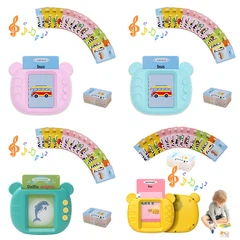
- AR Flashcards → Visualize abstract concepts (great for dyslexia)
- Vibrating Plush → Alert deaf students during group activities
- Voice-Controlled Robots → Empower non-verbal kids to lead science experiments 🔬
Data: Schools using tech toys see 60% faster skill acquisition in mixed-ability groups.
Choosing Inclusive Toys: 4 Key Checks ✅
Multi-Sensory Features
(Light + sound + texture combinations)
Adjustable Components
(Removable challenges for varying abilities)
Cultural Authenticity
(Toys reflecting diverse skin tones, languages, and family structures)
Safety & Durability
(Non-toxic, washable, tested for adaptive use)
Pro Tip: Involve students in toy selection-their preferences guide true inclusivity.

The Future Classroom: Where Play = Progress 🚀
When educational toys become core to curriculum design:
- Teachers spend less time adapting materials
- Students see differences as collaborative strengths
- Communities grow through shared toy libraries 📚