In the era of globalization, toys have evolved beyond mere playthings to become powerful vehicles for cultural exchange and identity. From international toy giants integrating Chinese themes to local brands revitalizing traditional culture, toys are narrating China's stories to the world. This article explores how toys, as cultural symbols, bridge global and local narratives, fostering cultural confidence and achieving commercial success.
Global Interpretation of Chinese Culture: How LEGO Reconstructs Cultural Symbols
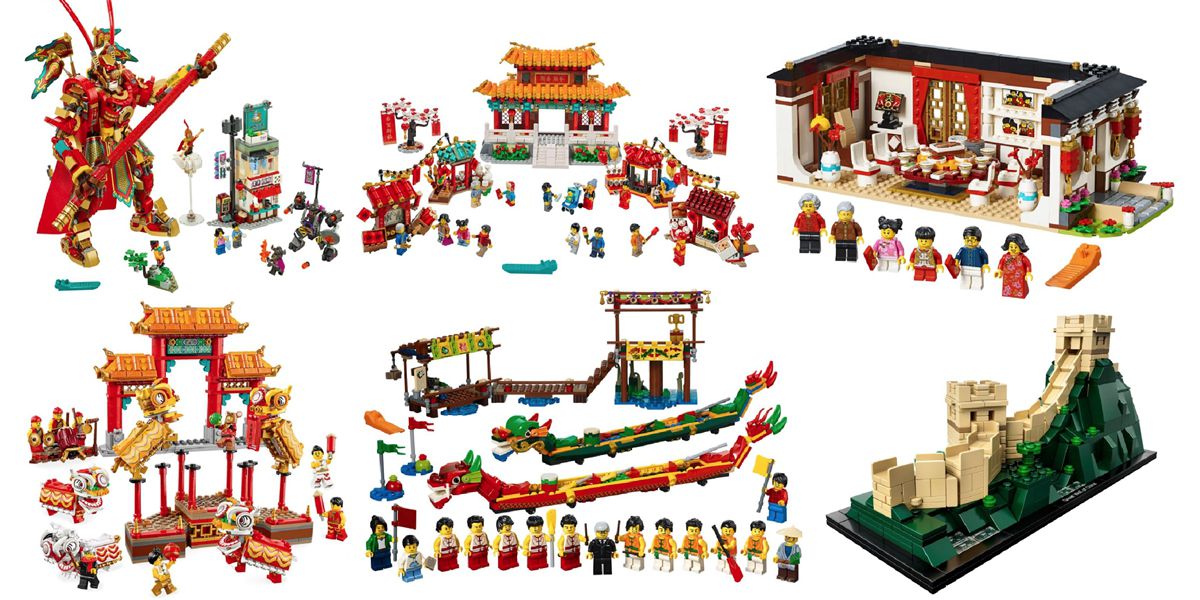
As a global toy leader, LEGO has creatively incorporated Chinese cultural elements into sets such as "The Great Wall" and "Chinese New Year Temple Fair." These designs go beyond superficial representation-they translate cultural heritage into tangible, interactive experiences. By modularizing the Great Wall's structure and animating festive scenes, LEGO maintains cultural authenticity while appealing to global aesthetics.
This approach demonstrates how standardized products can convey unique cultural narratives, allowing Chinese stories to transcend language barriers. However, it also raises a critical question: How can Chinese culture avoid being reduced to exotic motifs in global storytelling? This challenge inspires local brands to reclaim cultural representation.
Local Innovation in Focus: Palace Museum Creations and Archaeological Blind Boxes
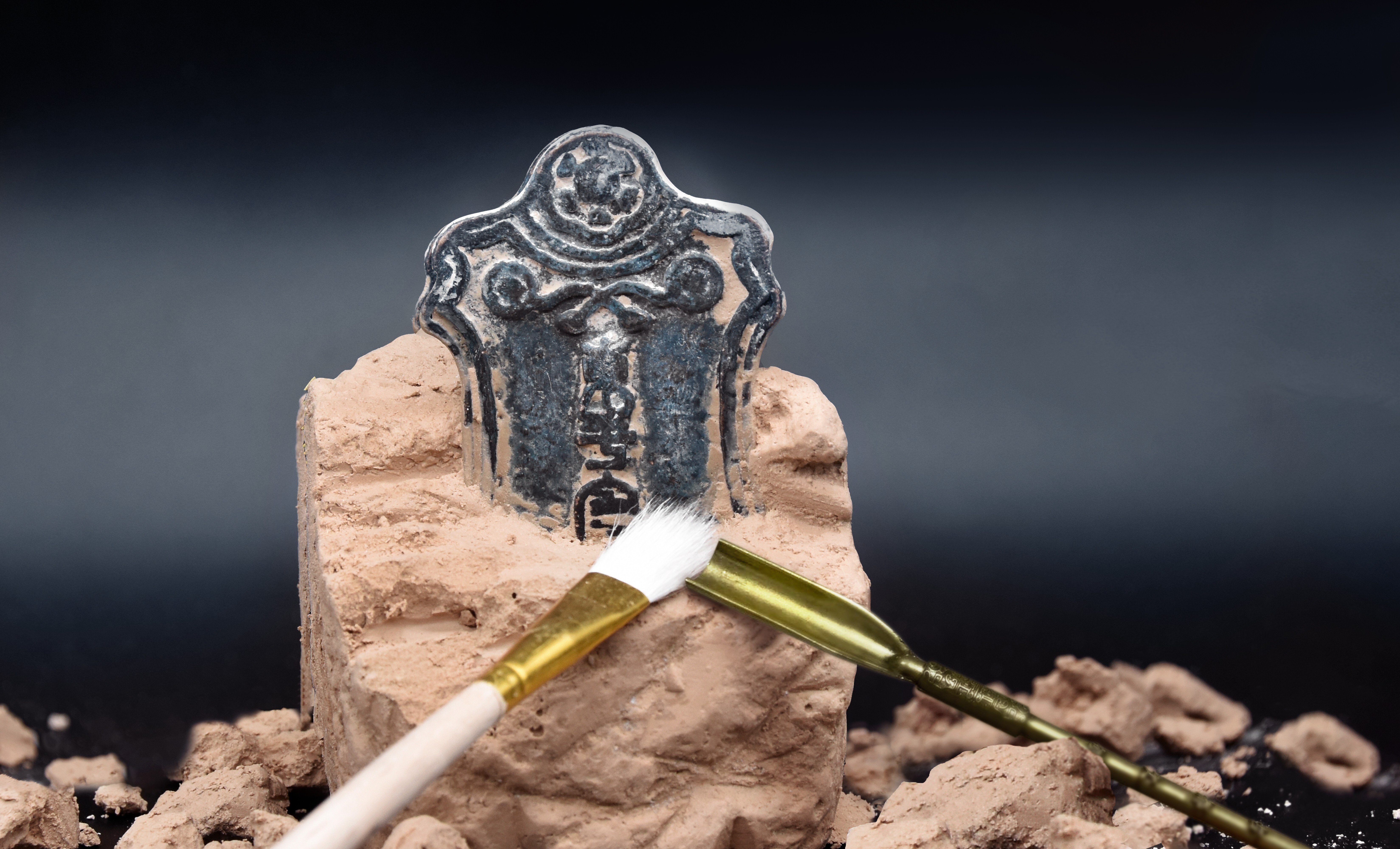
In contrast to LEGO's external perspective, local initiatives like the Palace Museum's cultural creations and Henan Museum's archaeological blind boxes exemplify grassroots cultural revival. The Palace Museum transforms imperial motifs and porcelain patterns into adorable collectibles, while Henan Museum's blind boxes let users excavate replica artifacts using "Luoyang shovel" tools.
These innovations share three key success factors:
Cultural Depth: Rooted in authentic historical details.
Interactive Experience: Turning passive learning into hands-on discovery.
Emotional Connection: Using "Guochao" (national trend) aesthetics to resonate with youth.
Henan Museum's blind boxes, with annual sales exceeding RMB 30 million, prove that "culture + toys" is both a viable business model and a means to sustain traditional heritage.
Technology-Enabled Narratives: AI Toys and the Future of Cultural Exchange
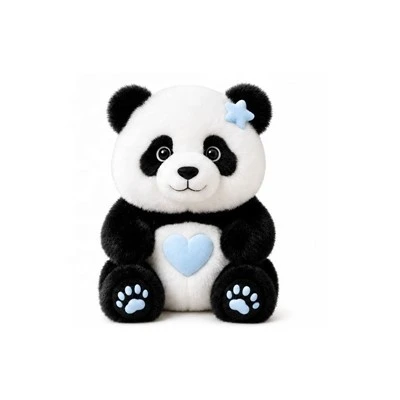
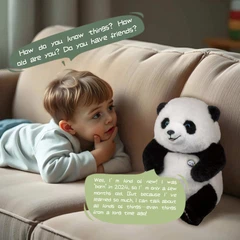
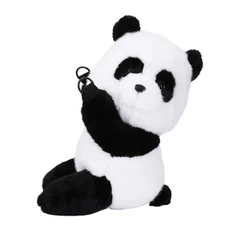
In the digital age, technology amplifies toys' role in cultural storytelling. Take, for example, the AI Interactive Panda developed by Shenzhen Xinditai Electronics Co., Ltd. This toy, featuring China's iconic giant panda, supports multilingual conversations and real-time interaction, marking a shift from static cultural symbols to dynamic dialogue.
Key features include:
- AI Conversations: Serving as a cultural ambassador, introducing global children to Chinese traditions in 60+ languages.
- Emotional Design: Creating cross-cultural bonds through voice interaction and expressive feedback.
- Global-Local Fusion: Blending Eastern imagery with cutting-edge technology for universal accessibility.
This "tech + culture" model elevates toys from passive carriers to active participants in cross-cultural communication, offering a new pathway for Chinese brands to go global.

Conclusion: Toys as Bridges for Cultural Dialogue
From LEGO's architectural wonders to Palace Museum's trendy creations and AI-powered pandas, the evolution of toys reflects China's growing cultural confidence. No longer passive recipients of global narratives, Chinese brands are now shaping their own stories-leveraging tradition, innovation, and technology to engage the world.
In the intersection of globalization and localization, toys prove that even the smallest objects can carry profound cultural meaning. They are not just companions of childhood but also pioneers of dialogue, spreading China's heritage in the most accessible and impactful ways.