


Introduction: The Evolving Purpose of Toys
Gone are the days when toys were mere distractions to keep children occupied. In modern parenting, a significant shift is occurring. Toys are no longer just for solitary play; they have transformed into powerful tools for building strong parent-child relationships. This article explores how innovative toys are creating bridges of interaction, fostering communication, and building cherished family memories through the power of co-play and shared experiences.
The Shift: From One-Way Entertainment to Two-Way Interaction
Traditional toys often encouraged independent play, creating a passive dynamic where parents were mere observers. The new generation of interactive toys for kids is designed with a core philosophy: family bonding.
These toys-whether cooperative board games that require strategy and rule-following, collaborative puzzles that need teamwork, or creative craft kits-demand participation from both parent and child. They create a dedicated, screen-free space for quality family time, where interaction is not just encouraged but essential.
How Shared Play Strengthens Family Bonds
When a toy becomes the center of joint engagement, it acts as a catalyst for profound developmental and emotional benefits.
1. Enhances Parent-Child Communication
Toys that require collaboration naturally open channels for dialogue. Discussing strategies for a game or planning the next steps for a craft project moves conversations beyond daily routines. This process helps parents understand their child's thought process and nurtures a deeper emotional connection.
2. Creates Lasting Positive Memories
The joy of winning a game together or the shared accomplishment of finishing a complex model becomes a core memory. These positive emotional experiences are the foundation of a strong, trusting parent-child relationship, more valuable than any material possession.
3. Teaches Cooperation and Social Skills
Interactive play is a natural social learning environment. Children learn vital skills like taking turns, active listening, and graceful winning/losing. They learn the importance of rules and teamwork, all within the safe and fun context of playing with their parents.
Case Study: Shenzhen Xinditai Electronic Co., Ltd. – Innovating for Connection
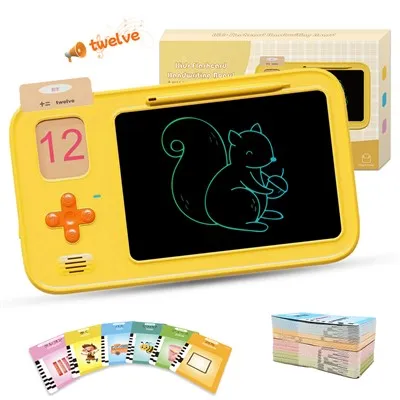
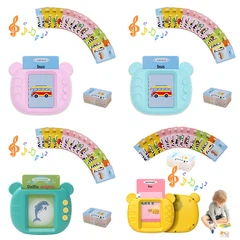
At the forefront of this movement are companies like Shenzhen Xinditai Electronic Co., Ltd., which bases its research and development squarely on the goal of enhancing parent-child relationships. Their 2025 product lineup exemplifies how toys can foster co-play and family interaction:
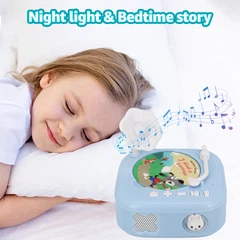
Children's Story Projector: This toy transforms storytime from a passive activity into an interactive ritual. Families can choose stories and create narratives together, turning bedtime into a magical, shared experience that fosters intimacy and imagination.

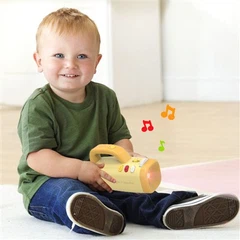
Children's Toy Recorder: This classic toy is reimagined to encourage verbal and emotional exchange. Parents and children can record songs, messages, and laughter together, making emotions tangible and creating a priceless archive of shared memories.

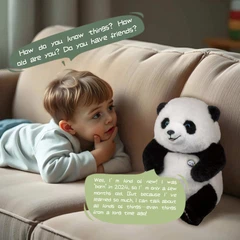
AI Interactive Panda: More than a smart toy, this AI panda acts as a facilitator for family interaction. It can initiate group games, ask engaging questions, and suggest physical activities, effectively shifting the dynamic from child-machine interaction to warm, family-wide engagement.
The common thread in these innovations is the creation of scenarios that require parents to be physically and emotionally present, moving beyond mere supervision to active participation.

Conclusion: Toys as Tools for Togetherness
The evolution of toys mirrors the progression of parenting philosophies. We are moving from simply keeping children busy to actively engaging with their world. By stepping into our children's play as partners, toys become more than objects-they become the medium for laughter, understanding, and growth. In the journey of parenting, the highest-quality education is often found in the simplest, most shared moments of play.