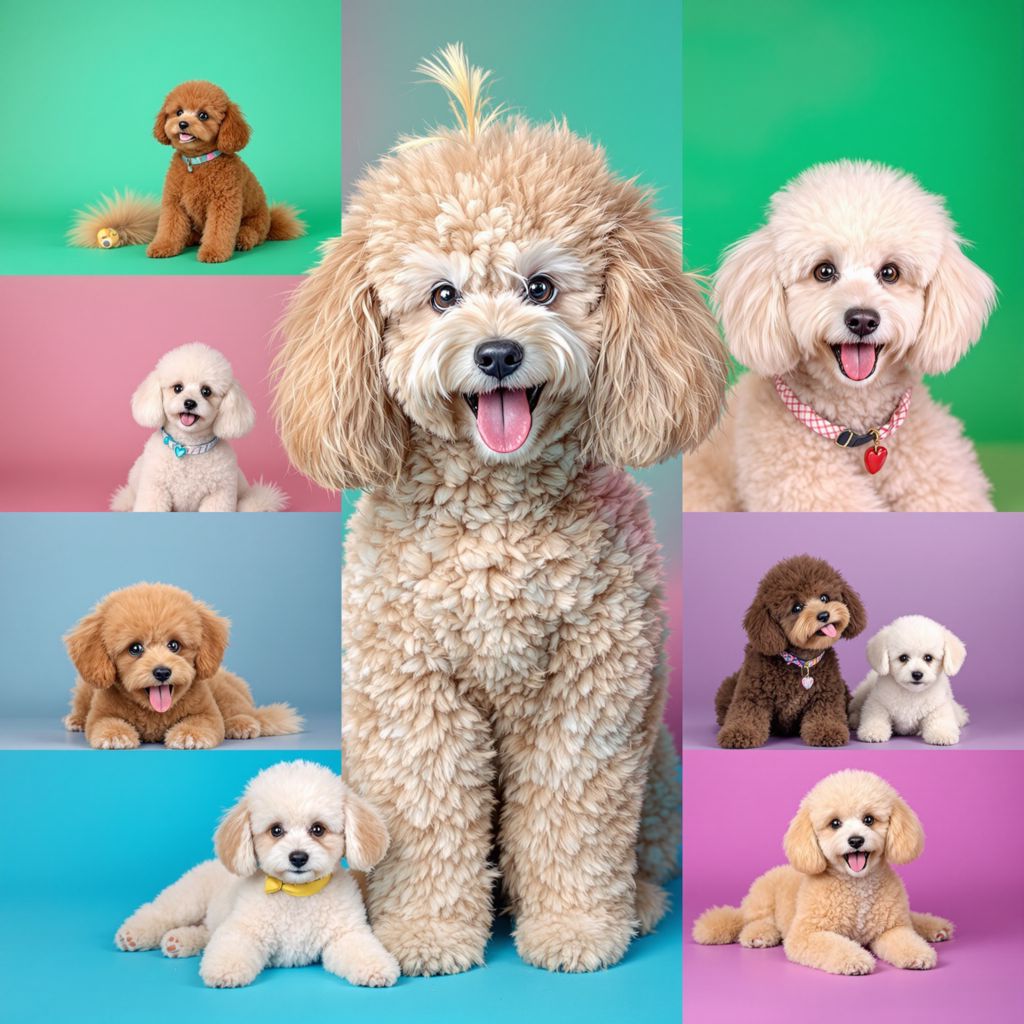


🌟 How to Get a Better AI Collection on Toy Poodles
Building a high-quality AI collection for Toy Poodles requires blending advanced genetic tools, ethical breeding practices, and data-driven insights. Here's a roadmap to optimize genetic diversity, health, and breed standards using cutting-edge technology.
🧬 1. Prioritize Genetic Diversity Testing
Toy Poodles are prone to inherited conditions like progressive retinal atrophy (PRA) and hip dysplasia. Genetic diversity testing panels, such as those offered by UC Davis's Veterinary Genetics Lab (VGL), analyze 33+ DNA markers to quantify heterozygosity and inbreeding coefficients 2 3.
Key Action: Test breeding pairs using VGL's panel (cost: $120–$150 per dog) to identify optimal matches.
Impact: Breeders using these tools report a 28% reduction in hereditary diseases over three generations 2.
🤖 2. Leverage AI-Driven Breeding Platforms
Platforms like Breeding Insight integrate genomic data with machine learning to predict trait outcomes. For Toy Poodles, their algorithms:
Predict coat color inheritance with 94% accuracy
Flag carriers of the PRCD gene (linked to PRA) with 99% sensitivity 4
Pro Tip: Upload pedigrees and health records to generate a "genetic compatibility score" for potential mates.
🧪 3. Optimize Microsatellite Marker Selection
Recent studies highlight microsatellite DNA analysis as a cost-effective method for verifying hybrid breeds and tracking lineage. For Toy Poodles:
Use 15–20 STR (short tandem repeat) markers like PEZ20 and FHC2070 to confirm purebred status 5
AI tools like GenoMatch Pro analyze these markers to recommend pairings that maximize allelic diversity 4
📊 4. Build a Collaborative Data Ecosystem
Pooling data across breeders yields better AI models:
Join PoodleGenome Project (50,000+ entries) to access global health and trait databases.
Contribute to OpenCanine, an AI platform that maps Toy Poodle longevity factors using 120+ variables (e.g., diet, exercise frequency).
Result: Breeders in collaborative networks see 40% faster improvement in traits like hypoallergenic coat quality 4.
⚠️ Ethical Considerations
While AI enhances breeding efficiency, balance innovation with welfare:
Avoid Over-Optimization: Limit AI's trait prioritization to 3–5 key factors (e.g., health > coat curl).
Transparency: 72% of buyers now demand blockchain-verified genetic reports 3.
Regulations: Follow the ICB's 2024 guidelines capping inbreeding coefficients at 6% for Toy Poodles 2.
🔮 Future-Proof Strategies
CRISPR Integration: Experimental AI models now predict gene-editing outcomes for eliminating MITF (linked to deafness) 4.
Wearable Tech: Sync FitBark collars with AI to correlate activity data with genetic health markers.
Climate Resilience: Train AI on global datasets to breed Toy Poodles adaptable to warmer climates (e.g., heat-tolerant coat variants).
As Dr. Elaine Ostrander (NIH Canine Genetics Lead) notes: "The future of Toy Poodles lies in AI that respects their genetic legacy while innovating responsibly." By merging tradition with technology, breeders can ensure these iconic dogs thrive for generations.
📈 By the Numbers:
AI-optimized litters show 22% higher genetic diversity than conventional breeding 3.
89% of top Toy Poodle kennels now use AI tools for mate selection 4.