Introduction
In today's competitive toy market, designing educational toys that are both fun and promote child development is key. By integrating principles from child psychology and pedagogy, we can create products that better align with children's cognitive development, emotional needs, and hands-on abilities. This article explores the core elements of educational toy design-including functionality, color schemes, and form design-to help brands and designers develop more engaging learning toys.
1. Applying Child Psychology and Pedagogy in Design
1.1 Piaget's Stages of Cognitive Development
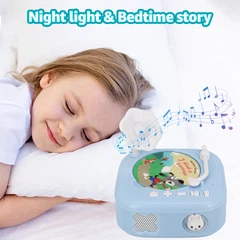
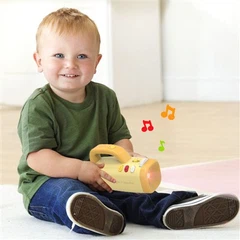
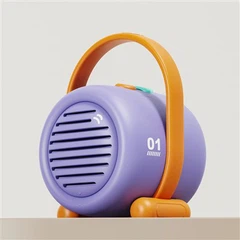
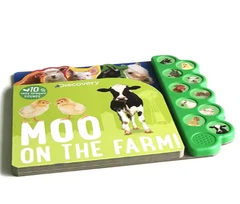
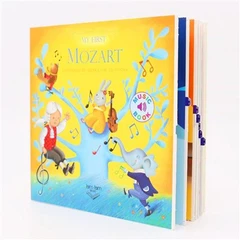
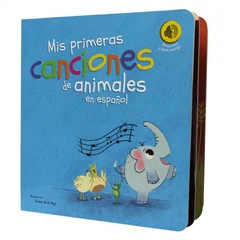
Sensorimotor Stage (0-2 years): Focus on tactile, auditory, and simple interactive toys like soft blocks and rattles. Phonograph
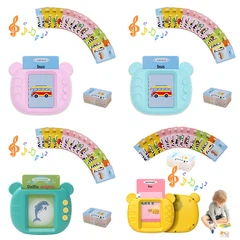
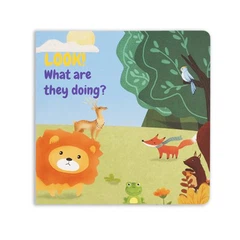
Preoperational Stage (2-7 years): Ideal for symbolic play toys, such as role-playing sets, puzzles, and talking falsh cards
Concrete Operational Stage (7-11 years): Introduce logic-based toys like science experiment kits and coding robots.
1.2 Vygotsky's Zone of Proximal Development
Toys should offer appropriate challenges, allowing children to complete tasks with guidance from adults or peers, such as tiered puzzles or adjustable STEM toys.
1.3 Montessori Educational Philosophy
Emphasizes self-directed exploration through open-ended toys (e.g., wooden blocks, sensory bins) that encourage creativity.

2. Functional Design of Educational Toys
2.1 Multi-Sensory Stimulation
Tactile: Combining different materials (e.g., plush, wood, silicone).
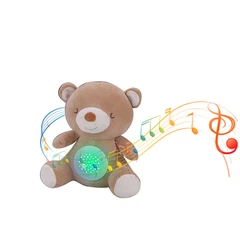
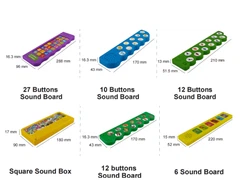
Auditory: Built-in sound effects or musical feedback (e.g., alphabet toys with voice responses).
Visual: Dynamic light effects (e.g., story projectors).
2.2 Interactivity and Feedback Mechanisms
Instant feedback (e.g., light rewards for correct puzzle placement).
Social interaction features (e.g., cooperative two-player games).
2.3 Scalability and Adaptability
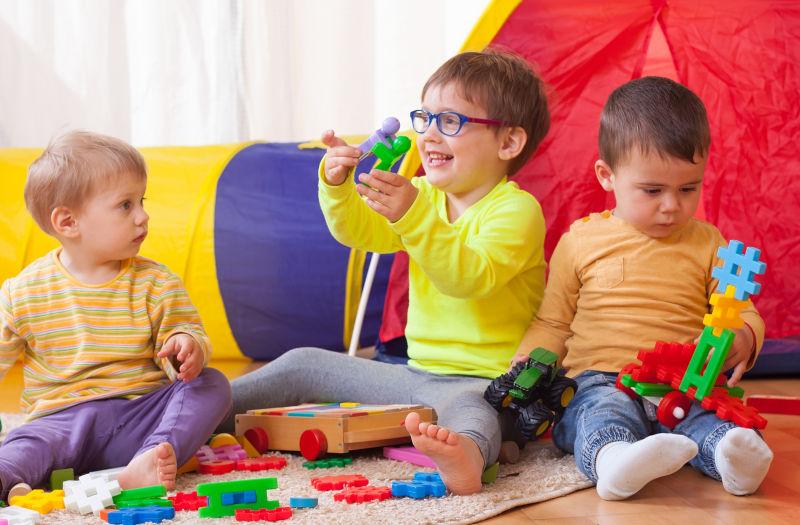
Modular designs (e.g., LEGO-style building systems) that increase in difficulty as children grow.

3. The Psychological Impact of Color Schemes
3.1 Age-Appropriate Color Selection
Infants (0-3 years): High-contrast colors (black, white, red) to stimulate visual development.
Preschoolers (3-6 years): Bright, vibrant tones (e.g., yellow, blue, green) to enhance appeal.
School-Age Children (6+ years): Incorporate gradients or themed palettes (e.g., space blue, nature green).
3.2 Color and Emotional Associations
Red/Yellow: Energizing, ideal for active play toys.
Blue/Green: Promotes focus, suitable for science-based toys.

4. Key Principles of Form Design
4.1 Safety First
Rounded edges, no small parts (for younger children).
Compliance with international safety standards (e.g., EN71, ASTM F963).
4.2 Approachability and Anthropomorphism
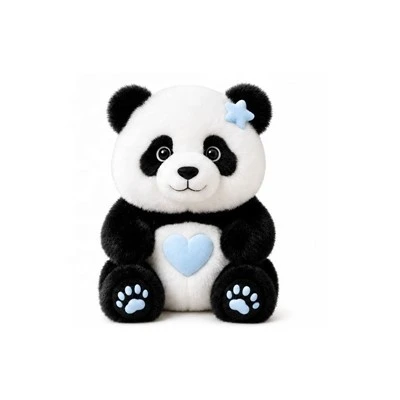
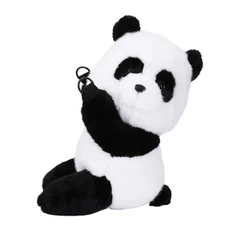
Animal or cartoon-like designs (e.g., bear-shaped counting toys) enhance emotional connection.
Exaggerated features (big eyes, rounded shapes) increase child appeal.
4.3 Cultural Inclusivity
Diverse character designs (different skin tones, gender-neutral toys).
5. Case Studies of Successful Designs
Case 1: A popular STEM robot-offers tiered challenges and app integration for children aged 5-12.
Case 2: Montessori sensory toys-wooden materials and natural colors emphasize real-world exploration.
6. Future Trends
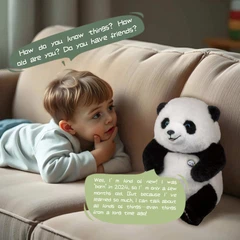
AI-Personalized Learning: Toys that adapt difficulty based on a child's performance.
Eco-Friendly Design: Biodegradable materials becoming a priority for parents.
Conclusion
Designing appealing educational toys requires balancing fun and learning while deeply understanding child development. By combining psychology and pedagogy, brands can create safe, interactive, and adaptable products that stand out in the market.
SEO Keywords: Educational toy design, child psychology in toys, Montessori toys, STEM toys, early learning toys, color psychology for kids, safe toy design.