








Understanding AI-Powered Adaptive Learning Toys
At their core, AI-powered adaptive learning toys are interactive devices designed to customize educational content for individual children. Traditional toys follow a one-size-fits-all approach, but these smart tools rely on algorithms that analyze how a kid interacts with them. They use things like voice recognition, pattern detection, and even basic emotional cues to shift the experience on the fly.
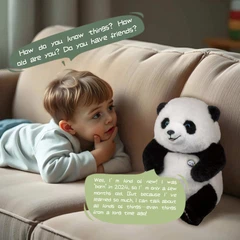
Imagine a plush robot that tells stories. If your child seems bored or loses focus, the toy might simplify the plot, add fun sound effects, or ask questions to pull them back in. Or picture a game that starts easy and gradually ramps up the difficulty as the child masters concepts, offering helpful hints without spoiling the fun. This real-time adaptation is what sets them apart.
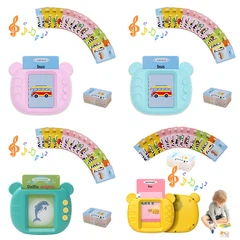
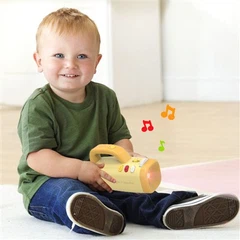
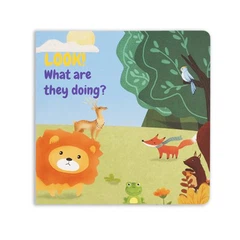
Many of these toys incorporate edge AI, which means the heavy processing happens right on the device itself. This keeps things private and reduces the need for constant internet connections, making them safer and more reliable for everyday use at home. Common types include interactive robots that guide kids through math or science challenges, voice-activated animals that help with language skills, and digital storybooks that evolve based on the child's responses. They target key areas like early literacy, problem-solving, social-emotional growth, and basic coding concepts, all wrapped up in engaging play.
Parents love that these toys feel more like friends than gadgets. A child might chat with a toy about their day, and the AI responds in ways that encourage empathy or curiosity. This blend of technology and human-like interaction creates a supportive environment where learning feels natural and pressure-free.
Why Adaptive AI Toys Are Taking Off in 2026
Several factors are coming together to make 2026 a breakout year for these innovative toys. Parents today are more invested than ever in their kids' development, especially after seeing the limitations of one-size-fits-all education during recent years. There's a strong desire for tools that deliver genuine personalization rather than generic apps or screens. Market forecasts point to massive growth in the AI toys and EdTech space, with billions in potential partnerships and sales opportunities.
On a broader scale, schools and governments around the world are warming up to AI in early education. Places like Singapore and South Korea have been piloting adaptive platforms for bilingual learning and math, showing how technology can support rather than replace good teaching. Major trade shows, including CES and big toy fairs in Asia, have put a spotlight on emotionally intelligent toys that can read a child's mood and adjust accordingly-whether that means cheering them up with a silly game or slowing down when frustration creeps in.
Social conversations, particularly among forward-thinking parents, also highlight this shift. Many families want to prepare their kids for a future where AI is everywhere, teaching not just facts but how to think critically and collaborate with smart systems. Unlike passive screen time, these toys encourage active participation, which aligns with what child development experts recommend. The result is a perfect storm: better technology, concerned but hopeful parents, supportive policy moves, and proven early successes that build excitement and investment.


The Real Benefits for Young Children's Growth
The advantages of these adaptive learning toys go well beyond keeping kids occupied. One of the biggest wins is true personalized learning. Every child develops at their own speed, and these toys respect that by constantly fine-tuning content to match strengths and shore up weaker areas. This leads to higher engagement because the experience never feels too hard or too easy-it's just right, which research consistently links to better retention and confidence.
Take cognitive development, for example. Toys that adapt pacing provide immediate feedback and gentle nudges, helping kids work through challenges without getting discouraged. This builds resilience and a growth mindset from a young age. In STEM areas, interactive robots can turn abstract ideas like counting or simple physics into hands-on adventures that feel like play. Language skills get a boost too, with voice features that practice pronunciation, vocabulary, and even storytelling in multiple languages.
Emotional intelligence is another area where these toys shine. Some models pick up on tone of voice or engagement levels and respond with encouragement or calming activities. This kind of support can help children recognize and manage their feelings, skills that are just as important as academics. For educators, AI tools handle repetitive tasks like basic drills, freeing teachers to focus on building relationships, inspiring creativity, and offering the human touch that technology can't replicate.
Accessibility stands out as a major plus. These toys often follow principles of universal design, making learning more inclusive for children with different abilities or learning differences. Whether it's adjustable difficulty, multisensory options, or content tailored for neurodiverse kids, the technology opens doors that traditional methods sometimes leave closed. Overall, families report seeing kids who are more curious, persistent, and excited about learning-qualities that set them up for long-term success in school and beyond.
Addressing the Challenges Head-On
No new technology is without its growing pains, and AI adaptive learning toys come with important considerations. Privacy tops the list of concerns for many parents. These devices collect data to personalize experiences, so strong on-device processing and clear transparency about how information is used are essential. Reputable makers prioritize security to keep family data safe and minimize cloud dependency.
There's also the worry about too much screen time or tech overload. Many modern adaptive toys counter this by emphasizing hybrid or screen-free elements-physical interaction, voice-only modes, or outdoor-friendly designs that blend digital smarts with real-world play. The goal is balance, not replacement of traditional toys, books, or face-to-face time with parents and peers.
Educators rightly point out that AI should support, not substitute for, human connection. The best outcomes happen when these tools complement caring adults who guide, interpret, and expand on the learning. Content quality matters too; ongoing testing ensures the material stays accurate, age-appropriate, and aligned with solid educational principles. Parents should look for toys backed by child development experts and avoid anything that promises miracles without real substance.
Another practical angle is cost and equity. While prices are coming down as the market grows, not every family can afford high-end options right away. Broader adoption will depend on making these tools more accessible through libraries, schools, or affordable versions. By tackling these issues thoughtfully, the industry can build trust and ensure the benefits reach as many kids as possible.


The Promising Future of AI in Early Learning
The road forward for adaptive AI toys looks incredibly bright. We're likely to see deeper integration with augmented reality and virtual elements, where kids can explore virtual worlds that respond to their real actions. Cross-platform systems could let learning continue seamlessly between home toys, classroom tools, and apps, creating a more connected experience. Eco-friendly designs using sustainable materials will also appeal to environmentally conscious families.
Market analysts project significant expansion, potentially reaching tens of billions in value within the next decade as global demand grows. Innovations inspired by big tech, like highly personalized pathways and even AI-generated content that evolves with the child, point to richer, more immersive possibilities. Some experts envision AI acting as a reliable "co-pilot" in classrooms, handling routine support so teachers can nurture creativity and social skills more effectively.
Ultimately, this technology could help shift early education toward truly student-centered models. Instead of rigid schedules, kids could follow flexible paths that honor their natural curiosity and rhythms. For parents, it means having powerful allies in raising well-rounded, tech-savvy children ready for whatever the future brings.
Embracing the Change Thoughtfully
AI-powered adaptive learning toys represent a meaningful step forward in how we nurture young minds. They combine the magic of play with the precision of intelligent technology, creating opportunities for deeper engagement and faster, more joyful progress. While challenges exist, the potential rewards-for cognitive growth, emotional health, and lifelong learning-are too significant to ignore.
As 2026 unfolds, families and educators who explore these tools with open minds but careful eyes will likely see the biggest benefits. Start small, choose quality options that match your child's needs, and always pair tech with plenty of human interaction and unstructured play. The future of early education is more adaptive, more personal, and more fun than ever before-and it all begins with the simple act of play powered by smart innovation.