

1. Interactive Learning: From "Passive Listening" to "Active Exploration"
One of the biggest breakthroughs of AI toys is transforming learning from one-way instruction to two-way interaction, even multimodal immersive experiences.
(1) Conversational Learning: AI as Children's "Knowledge Partner"
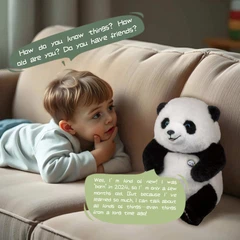
The Ling Universe AI Companion Cube supports voice , AI panda and video interaction - children can ask questions like chatting with a friend, and the AI responds in child-friendly ways.

(2) Gamified Learning: Turning Knowledge into "Adventure Quests"
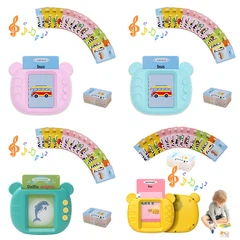
The Luka AI Learning Machine integrates science knowledge into fun stories where children unlock new content by completing tasks.
Space Station Mission adopts 15-minute AI interactive reading combined with NASA space imagery to teach English while exploring the universe.
(3) Multisensory Interaction: AR/VR Makes Abstract Knowledge "Visible"
Some AI toys (like the "Magic Awakening" feature of Ling Universe) allow children to photograph real objects that AI brings to virtual life for interaction, like "reviving" dinosaurs to explain paleontology.
The Alpha Egg Robot combines AR technology to let children learn programming and science experiments in virtual scenarios.
2. Emotional Companionship and Social Skills Development
AI toys not only impart knowledge but also help children develop emotional intelligence and social skills.
✅ Emotion Recognition and Empathic Feedback: The Heartland Robot detects children's emotional changes and encourages them when frustrated: "Remember when you built that castle? You succeeded after a few more tries!"
✅ Social Simulation Training: The Miko3 Robot helps children practice making friends and conflict resolution through role-playing games.
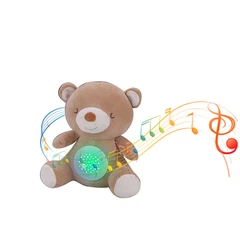
✅ Language Expression Practice: AI toys like FoloToy AI Bear support multilingual conversations to improve children's expression skills.
Expert Opinion:
"AI toys shouldn't replace real social interaction but can serve as 'training grounds' to help introverted children build confidence." - Child Psychologist Chen Ming

3. How Should Parents Choose Suitable AI Toys?
When facing the dazzling array of AI toys on the market, parents should consider:
🔹 Age Appropriateness: 3-6 year-olds may choose emotional companion types (like FoloToy Bear), while 6+ can try knowledge exploration types (like Ling Universe AI Companion).
🔹 Content Safety: Prioritize products compliant with COPPA privacy standards (like Miko3 Robot).
🔹 Interaction Methods: Younger children suit voice interaction, school-age children can try AR/programming AI toys.
🔹 Parental Control Features: Devices supporting JD JoyInside allow remote monitoring of learning progress.
4. Future Trends: How Will AI Toys Continue Evolving?
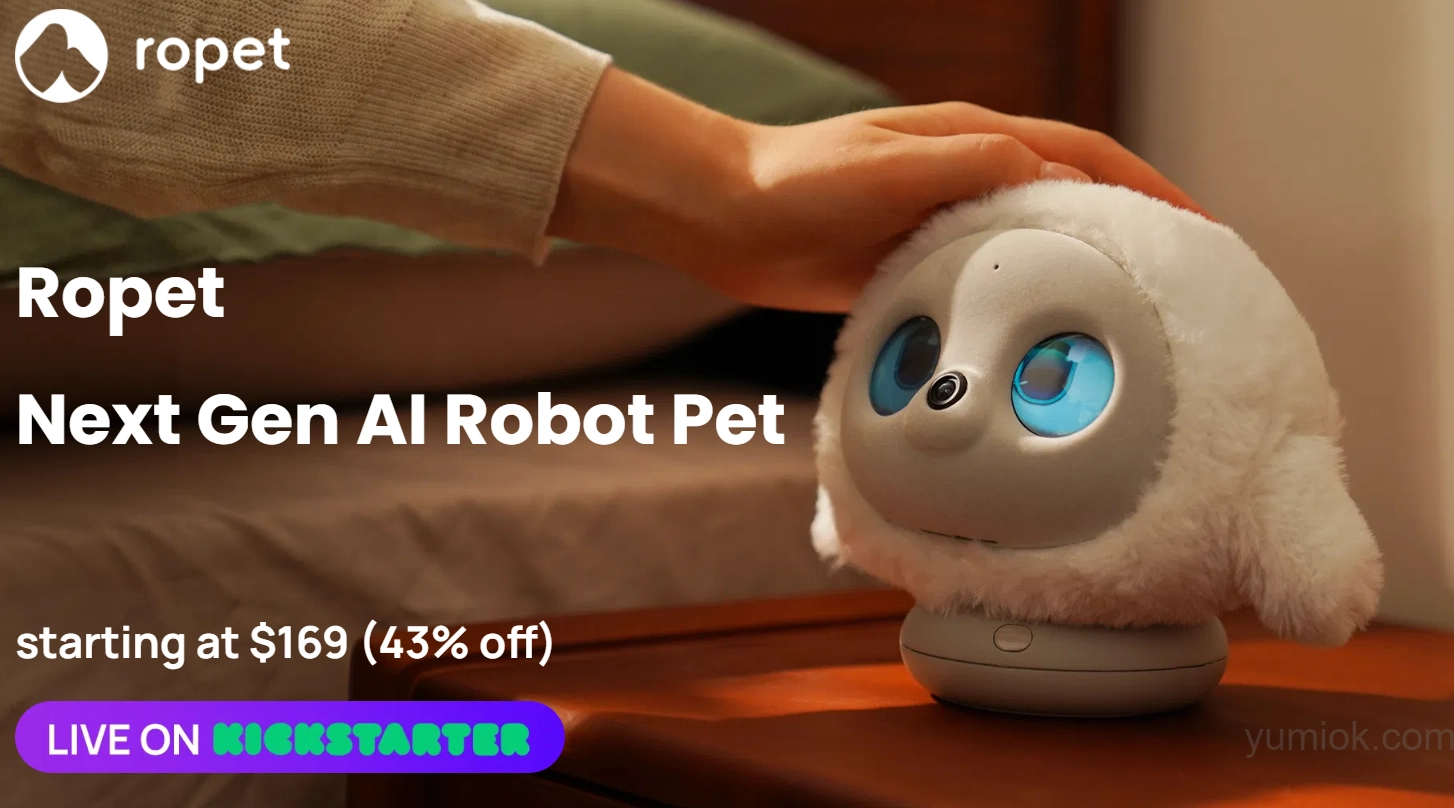
Post-2025, AI toys may achieve these breakthroughs:
🚀 More Natural Interaction: Like Ling Universe's "Everything Has a Soul" technology seamlessly connecting physical and AI worlds.
🚀 Virtual Tutors: AI may combine with holograms to become children's "24/7 home teachers."
🚀 Collaborative Group Learning: Networked interactions between multiple AI toys to cultivate teamwork skills.
Conclusion: Are AI Toys a "Learning Revolution" or "Support Tool"?
AI toys are reshaping children's education, but their goal isn't to replace teachers or parents - they serve as personalized learning assistants and emotional companions. As technology advances, AI toys will become smarter and more attuned to children, but their core should remain - learning through happiness, growing through exploration.
What AI toys has your child used? Share your experiences in the comments!