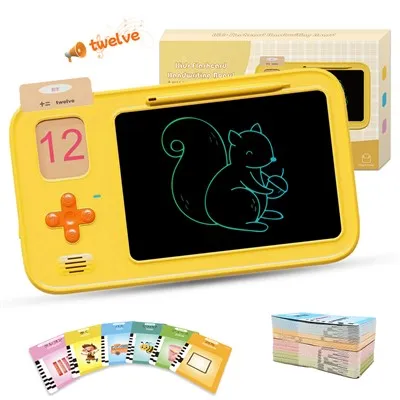
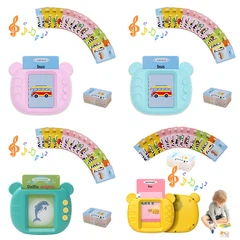
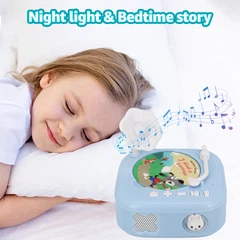

Artificial Intelligence (AI) is revolutionizing the way children learn, play, and grow. In 2025, AI-powered toys are no longer just entertainment tools-they have evolved into intelligent companions that enhance cognitive development, emotional intelligence, and creativity. This article explores how AI toys are reshaping early education, the best AI toys available today, and what parents should consider when choosing the right AI companion for their child.
The Rise of AI in Children's Education
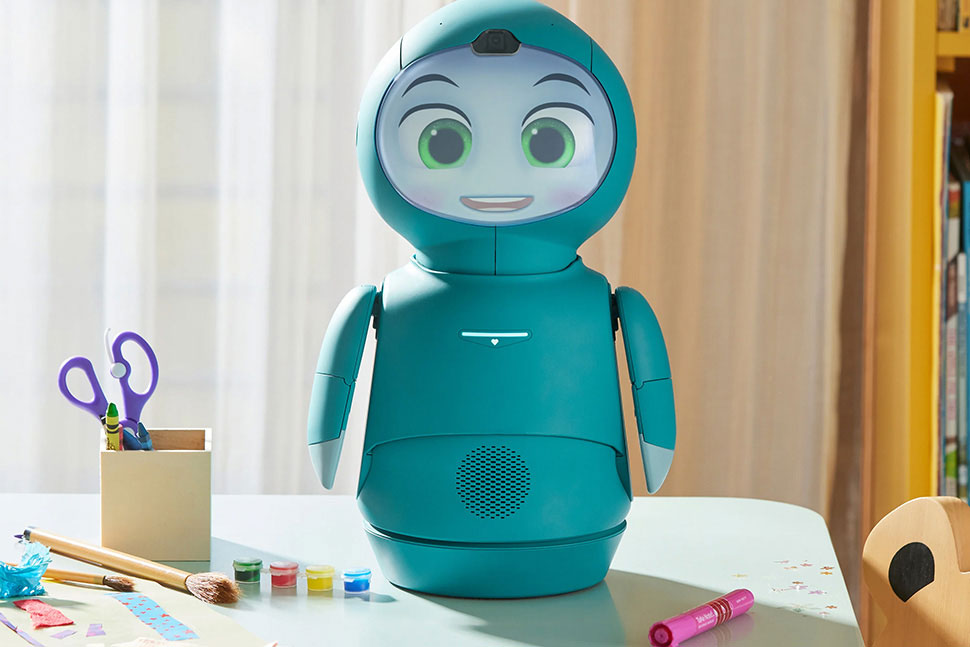
AI toys leverage advanced technologies such as natural language processing (NLP), machine learning, and emotional recognition to provide personalized, interactive learning experiences. Unlike traditional toys, AI-powered companions adapt to a child's learning pace, interests, and emotional needs, making education more engaging and effective.
Key benefits of AI toys in education include:
✅ Personalized Learning – AI adjusts content based on the child's progress and preferences.
✅ Interactive Engagement – Conversational AI makes learning fun through storytelling, quizzes, and games.
✅ Emotional Intelligence Development – AI toys recognize and respond to children's emotions, helping them develop social skills.
✅ Safe & Controlled Environment – Parental controls ensure content is age-appropriate and secure.
With these advantages, AI toys are becoming essential tools in modern childhood development.
Top AI Toys Transforming Education in 2025
1. Ling Metaverse AI Companion Cube
Best for: Interactive Learning & Emotional Support (Ages 3-15)
This AI-powered cube uses multi-modal interaction (voice, video, touch) to engage children in immersive learning. Its "Magic Awakening" feature allows kids to take a photo of any toy, bringing it to life as an AI companion for interactive storytelling and problem-solving. Parents can also track their child's learning progress via an app 3.

2. Teeni.AI Hearing Bear X3
Best for: Multimodal Learning & Creativity (Ages 5-12)
This AI companion supports real-time object recognition, AIGC drawing, and 3D modeling, turning everyday objects into learning opportunities. Kids can interact with AI versions of historical figures like Darwin and Einstein, making science and history more engaging 7.

3. AI PANDA
Best for: Emotional Bonding (Ages 2-8)
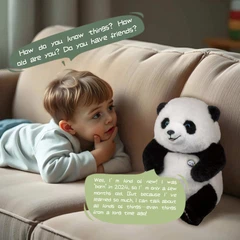
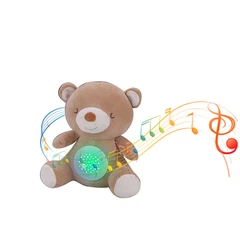
This cuddly AI bear uses emotion recognition to comfort children when they're upset and celebrate their achievements. It supports 60 languages and 70 dialects, making it ideal for bilingual families

How AI Toys Are Changing Learning Methods
1. From Passive to Active Learning
Traditional toys provide static interactions, but AI toys respond dynamically to a child's actions. For example, Ling Metaverse's AI cube encourages kids to explore science through interactive experiments rather than rote memorization 3.
2. Emotional & Social Skill Development
AI toys like FoloToy's "Lele" analyze a child's tone and facial expressions to provide emotionally intelligent responses, helping kids develop empathy and communication skills 1.
3. Gamified Education
AI toys integrate game mechanics into learning. For instance, Teeni.AI's Hearing Bear X3 turns museum visits into interactive quests, where kids earn rewards for identifying historical artifacts 7.
4. Parental Involvement & Monitoring
Many AI toys, such as BubblePal, provide parental dashboards to track learning progress and emotional well-being, bridging the gap between home and school education 8.
Challenges & Considerations for Parents
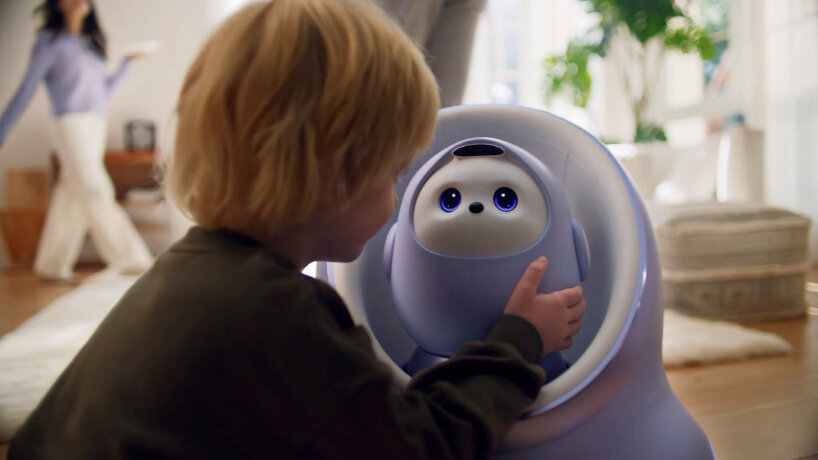
While AI toys offer immense benefits, parents should consider:
🔹 Privacy & Data Security – Ensure the toy complies with COPPA (Children's Online Privacy Protection Act) and offers parental controls.
🔹 Screen Time Balance – Some AI toys require companion apps; parents should monitor usage to prevent over-reliance.
🔹 Age-Appropriate Content – Choose toys that match the child's cognitive and emotional maturity.
The Future of AI in Children's Education
By 2030, AI toys are expected to integrate augmented reality (AR) and virtual tutors, providing even more immersive learning experiences. Companies like Ling Metaverse and Teeni.AI are already pioneering AI-driven "digital mentors" that evolve with the child's growth 37.
Final Thoughts
AI toys are not replacing teachers or parents-they are enhancing education by making learning more interactive, personalized, and emotionally supportive. As technology advances, these smart companions will play an even bigger role in shaping future-ready, creative, and emotionally intelligent children.
For parents, the key is to choose wisely, monitor usage, and balance AI learning with real-world interactions. The right AI toy can be a powerful ally in a child's educational journey.
What's your favorite AI toy for kids? Share your thoughts in the comments!