
Gyroscope and Emotional Eyes Redefine AI Plush Interaction
The Limitation of Voice-Only AI Plush Toys
Why Single-Mode Interaction Loses User Interest Fast
Most early AI plush toys only offer basic voice chat through a cloud API. 🎤 Users ask questions, the toy answers, and that is the full extent of the experience. While this design is simple to produce, it creates a flat, one-sided feeling that fails to hold attention for long. Many buyers report that their children stop using voice-only smart toys after just one or two weeks, once the novelty of talking to a stuffed animal wears off.
The core problem is lack of physical feedback. When a child hugs a regular stuffed bear, they feel comfort from the soft fabric and weight. A voice-only AI toy adds sound, but it does not respond to physical contact at all. This gap between real-world touch and digital conversation makes the product feel more like a speaker inside a toy, and less like a true friend. This is why multi-modal AI plush interaction has become the next major step in the industry.

Three Core Layers of Multi-Modal Interactive Design
Touch and Motion: Physical Response in Real Time
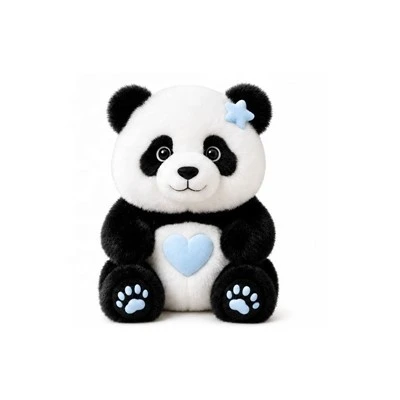
The first and most tangible layer of interaction comes from built-in motion and touch sensors. A high-quality gyroscope interactive plush toy can detect different physical actions and respond instantly, even without an internet connection. Patting the toy's head triggers a soft, happy sound. Shaking it gently triggers playful laughter. Holding it close in a hug activates a calm, warm tone.
This touch reactive plush toy design turns passive play into active, two-way engagement. Children do not just talk at the toy - they physically interact with it, just like they would with a real pet or friend. Because these reactions run locally on the toy's chip, there is no delay or loading time. Every touch gets an immediate response, which makes the play experience feel far more natural and immersive.

Visual Expression: Emotion You Can See
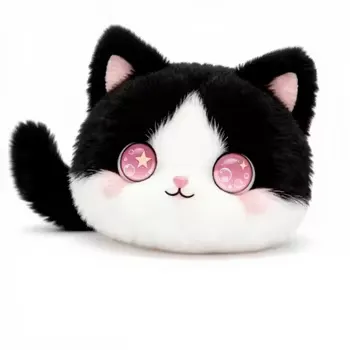
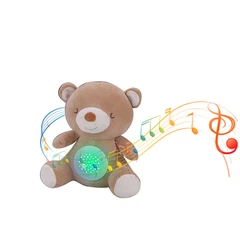
The second layer of interaction is visual, delivered through LED emotional eyes stuffed animal designs. Instead of plain plastic eyes, the toy uses soft, low-brightness LED lights to show different feelings. When the toy is telling a funny story, the eyes light up in a wide, cheerful shape. When it is speaking gently, the eyes soften to a calm, relaxed look. When the child hugs the toy, the eyes glow with a warm, happy expression.
Visual emotion adds a huge amount of depth to the play experience. Even young children who cannot yet follow complex conversation can understand what the toy is feeling through its eyes. For quieter users, this visual connection creates comfort without needing constant talking. It also makes the toy feel more alive, turning a basic electronic item into a character with its own personality.

Smart Conversation: AI That Matches the Moment
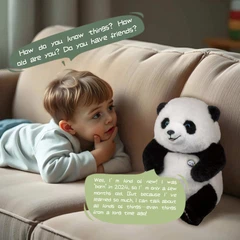
The third layer is cloud-powered conversational AI, which works together with touch and visual feedback. When a child pats the toy's head and asks a question, the AI does not just give a plain answer - it responds in a happy, playful tone that matches the physical action. When the toy is being hugged, it speaks more softly and uses kinder, more comforting words.
This synchronized design is what makes a lifelike AI companion doll feel truly real. Instead of three separate features that work alone, touch, sight, and sound all work as one system. Every action the user takes changes how the toy behaves, which creates a constantly changing, engaging experience that stays interesting for months, not just days.
Performance Comparison: Single-Mode vs Multi-Modal AI Toys
To clearly show the difference between old and new designs, the table below compares core performance metrics based on 2026 industry user testing data:
| Metric | Voice-Only AI Plush Toy | Multi-Modal AI Plush with Gyro & Eyes |
|---|---|---|
| Core interaction type | Voice chat only | Touch + motion + eye expression + voice chat |
| Average single play session | 15–20 minutes | 40–55 minutes |
| Emotional connection score (user survey, 1–10) | 3.2 / 10 | 8.1 / 10 |
| Offline usable functions | None | All touch, motion, and basic sound reactions |
| 30-day user retention rate | 22% | 68% |
The data makes the gap very clear. Adding physical and visual layers of interaction more than doubles average play time, and nearly triples 30-day user retention. For brands, this means lower return rates, stronger word-of-mouth sales, and a product that stays relevant for much longer. For end users, it means a toy that actually feels like a companion, not just a temporary novelty.

What This Means for Brands and Product Development
Stronger Identity, Less Market Competition
Most low-cost AI toys on the market still use the same basic voice-only API design. This means hundreds of products feel almost identical to buyers, and competition mostly comes down to price. A multi-modal design with gyroscope sensors and emotional eyes creates an immediate point of difference that shoppers can see and feel right away.
Brands can also customize the interaction system to match their own character IP. For example, a calm bedtime character can have slow, soft eye movements and gentle touch reactions. A playful, energetic character can have fast, bouncy responses and bright, cheerful expressions. This level of customization helps brands build a recognizable product that stands out in a crowded market.
 Balanced Design for Long-Term Use
A good multi-modal plush toy does not overload users with technology. The electronic parts are hidden safely inside the soft stuffing, so the toy still feels like a traditional cuddly plush. The LED eyes are soft and diffused, so they never feel harsh or distracting, even in dark rooms. The battery is sized to last for days of regular use, with simple USB-C charging that is easy for parents to manage.
This balance is important. If the toy feels too much like an electronic device, it loses the comforting, soft feeling that makes plush toys popular. If it has too little technology, it does not offer enough value to justify a higher price point. The best designs hide all the technology inside, so users only feel the fun, natural interaction.
AI plush toys have come a long way from simple pre-recorded sound boxes. The first generation added voice chat, which was a big step forward. The next generation is adding full multi-sensory interaction, with motion detection, touch response, and visual emotion all working together.
A gyroscope interactive plush toy with emotional LED eyes does not just talk - it reacts, it expresses feelings, and it connects with users on a physical level. This is the shift that turns a smart gadget into a real companion. For anyone shopping for a gift, or for brands building their next product line, this multi-modal approach is the clear direction for the future of AI plush toys.
If you are looking to develop a custom touch reactive plush toy or a full multi-modal AI companion line, our team offers complete OEM/ODM support for hardware, software, and character design. Reach out to discuss your project and explore how multi-modal interaction can make your product stand out.