
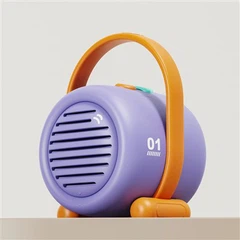
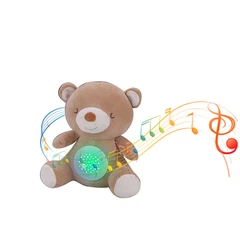
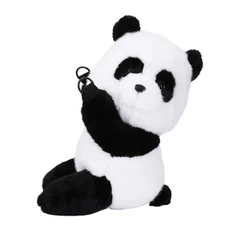
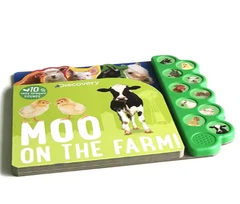
With increasing parental recognition of the "learn through play, play through learning" philosophy, educational toys for early childhood development play a pivotal role in children's cognitive and social growth. High-quality educational toys not only spark curiosity and imagination but also enhance logical reasoning, fine motor skills, and communication abilities. This article presents a streamlined overview of the fundamental design elements for educational toys, organized by core features, age-appropriate segmentation, technological integration, safety and sustainability, and market positioning.
1. Core Features: Fun, Interaction, Longevity
-
Fun
- Eye-catching shapes and vibrant colors aligned with children's preferences;
- Multiple play modes and variable rules to prevent boredom.
-
Interaction
- Opportunities for parent-child bonding and peer collaboration to foster language and social skills;
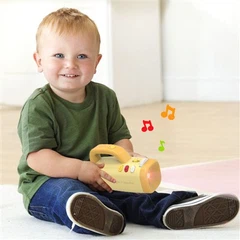
- Sensory feedback via lights, sounds, or simple electronics for engaging, real-time responses.
-
Longevity
- Modular or expandable components that encourage ongoing creativity and exploration;
- Durable materials and high manufacturing standards to extend the toy's lifespan and support reuse.
2. Age-Appropriate Segmentation
-
0–1 Years: Sensory Stimulation
- Focus on visual (high-contrast colors), auditory (gentle chimes), and tactile (varied textures) experiences. Recommended toys: soft blocks, fabric books, sensory balls.
-
1–2 Years: Gross Motor Skills
- Emphasize hand-eye coordination and simple cause-and-effect understanding. Recommended toys: large-piece building blocks, pull-along toys, stacking rings.
-
2–4 Years: Cognitive and Imaginative Play
- Encourage spatial awareness and basic logical thinking through matching, sorting, and puzzles. Recommended toys: jigsaw puzzles, shape-sorters, drawing boards.
-
4–6 Years: Creative Expression & Social Play
- Support complex constructions, role-playing, and group games to boost creativity and interpersonal skills. Recommended toys: themed block sets, costume playkits, board games.

3. Innovation & Technological Integration
Functional Innovation: Introduce elements like simple coding, interactive electronics, or robotics-e.g. programmable robot kits or smart puzzles-to revitalize traditional play.
Digital Synergy: Integrate toys with companion apps or augmented reality (AR) to blend hands-on activities with digital learning resources.
4. Safety & Sustainability
- Material Safety: Use non-toxic, odorless plastics, natural wood, or food-grade silicone; smooth surfaces without sharp edges or small detachable parts.
- Eco-Friendly Design: Prioritize recyclable or renewable materials and minimalist, recyclable packaging to minimize environmental impact.
5. Market Positioning & Brand Development
In an increasingly homogenized market, brands must center on children's developmental needs and continually innovate in design and functionality. The next generation of educational toys for early childhood development will balance educational value with entertainment, integrate advanced technologies sustainably, and leverage both global trends and local insights. Branding efforts can be amplified through social media, parent–child workshops, and community events.
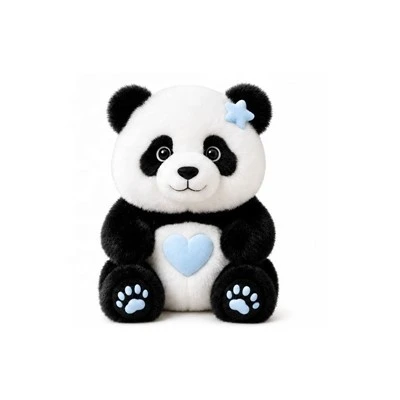
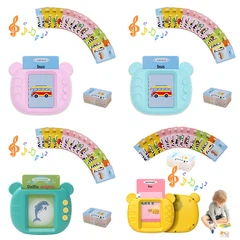
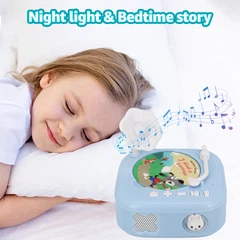
Quality educational toys for early childhood development should revolve around the core concept of "Kids early educational toys" seamlessly combining fun, interaction, safety, and innovation to foster independent exploration and growth while giving parents confidence. Shenzhen Xinditai Electronics Co., Ltd. is a manufacturer of educational toys for early childhood development, offering AI interactive plush toys, kid talking flash cards, children's phonograph toys, kid story machines, and more, providing a diverse range of early education solutions.