






Remember the toy box from your childhood? It might have held a quiet teddy bear, building blocks waiting to be assembled, and toy cars that needed to be pushed around. Back then, toys were an extension of our imagination-we gave them life, roles, and stories.
Today, children's toy boxes are undergoing a revolution. Toys are no longer just passive playmates; they're beginning to actively communicate, learn, and interact with children. This is the world of Interactive AI Toys-a new category blurring the lines between physical play and digital intelligence.
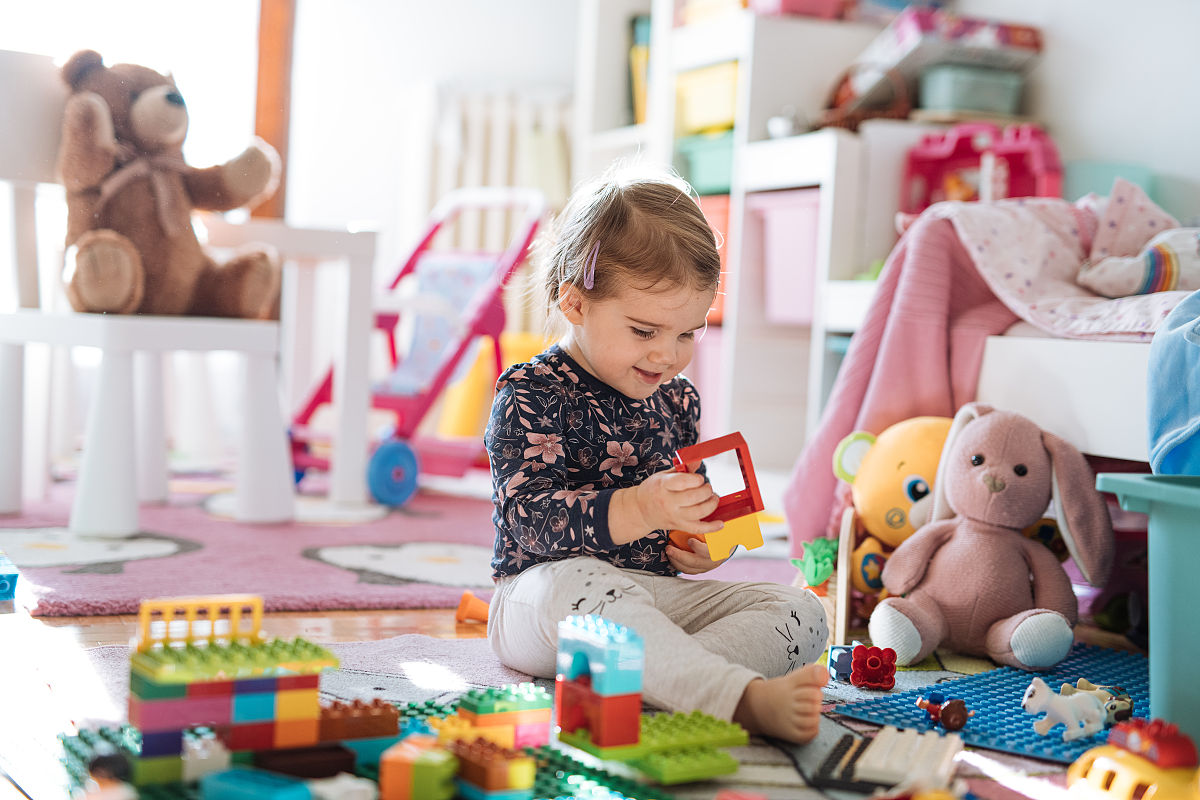
What Are Interactive AI Toys?
Interactive AI toys are far more than just talking dolls or remote-controlled robots. They often integrate technologies like microphones, cameras, sensors, automatic speech recognition (ASR), natural language processing (NLP), and computer vision (CV).
This means these toys can:
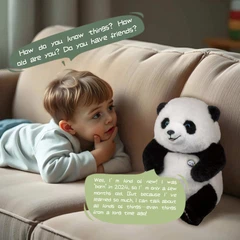
Listen and understand: Recognize children's voice commands and questions, even distinguishing between different children's voices.
Observe and respond: Use cameras to recognize children's expressions, gestures, and objects in front of them, providing corresponding feedback.
Learn and personalize: AI algorithms enable toys to remember interaction histories with each child, adjusting conversation difficulty, recommending preferred games, and becoming increasingly "smarter."AI toy for kids
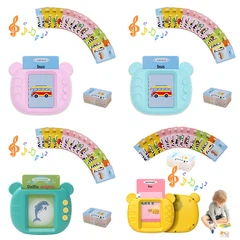
From smart assistants that can hold fluent conversations and help with homework, to robots that can create stories based on a child's drawings, to educational robots that teach coding, these all fall into this imaginative category.
Opportunities: Revolutionary Upgrades from "Plaything" to "Companion"
Interactive AI toys offer more than just novelty-they bring profound educational value:

Personalized Educational Companions: Every child learns at their own pace and has unique interests. AI toys can provide one-on-one companionship, patiently answering endless "whys" and tailoring content difficulty to the child's cognitive level, truly enabling personalized education.
Igniting Creativity and STEM Interest: Many AI toys focus on programming, robotics, and scientific experiments. Through hands-on interaction with AI, abstract scientific concepts become visual and tangible, greatly stimulating children's interest in science, technology, engineering, and math (STEM).
Emotional and Social Development: For only children or those needing extra companionship, an AI partner that offers positive responses, encouragement, and comfort can alleviate loneliness to some extent and serve as a "social rehearsal" tool to help children practice communication skills.

Challenges: The Sword of Damocles Hanging Over "Smart" Play
However, like all disruptive technologies, interactive AI toys come with significant challenges:
Privacy and Data Security: This is the biggest concern. A device that accompanies children around the clock, continuously collecting audio and video data, is akin to an intimate "eavesdropper." How is this data stored? Who uses it? Could it be leaked or misused? This places extremely high ethical and legal demands on manufacturers. AI toy robot

The Risk of Emotional Substitution: Should children form deep emotional bonds with machines? Over-reliance on AI companions could weaken their ability to engage in complex social interactions with real people (parents, peers). AI provides standardized, positive feedback-it cannot replace the friction, compromise, and empathy found in real relationships.
The "Black Box" of Content and Algorithms: The content and values output by these toys depend entirely on their underlying algorithms and databases. How can we ensure the content is positive, healthy, and unbiased? How do we prevent algorithms from instilling harmful ideas in children with limited discernment?
The Path Forward: Balancing Technology and Humanity
The future of interactive AI toys isn't just about pursuing higher, faster, and stronger technology-it's about finding the sweet spot between innovation and human touch.
For developers, a "privacy-first" principle must be embedded in product design, employing technologies like on-device AI (processing data locally instead of uploading to the cloud) and establishing transparent, auditable data policies.
For parents, it's essential to recognize that AI toys are "companions," not "replacements." They should catalyze parent-child interaction, not serve as electronic babysitters. Parental involvement, guidance, and warm embraces will always be the core of childcare-something no technology can replace.
For society as a whole, there's an urgent need to establish supporting laws, regulations, and industry standards to build robust guardrails for children's digital world.

Conclusion(AI toy for early development)
Interactive AI toys open a door to the future, revealing a playground filled with intelligence and wonder. They have the power to make childhood more colorful and inspiring. But we must hold the compass of "responsibility" and "love" to guide this transformation wisely.
In the end, the best toys will always be those that ignite the light within a child-whether they're made of wood, plastic, or lines of code.
Typical Source Examples:
Forbes, Wired, TechCrunch, and other tech media: Frequently publish articles on educational technology (EdTech) and smart toy trends, discussing their potential and data privacy issues.
Common Sense Media: A nonprofit organization focused on children and media technology, which releases extensive reports and reviews on children's privacy, screen time, and the impact of AI toys.
Market research reports (e.g., McKinsey, Gartner): Analyze the market growth of AI toys, driving factors (such as STEM education), and major challenges (e.g., regulation).
Academic papers: In the fields of child development, educational technology, and human-computer interaction (HCI), numerous studies explore the impact of technology on children's social and emotional development.