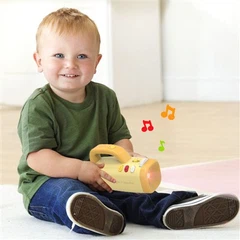
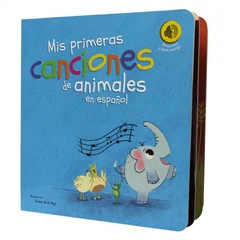
Babies exhibit a natural curiosity that fuels their exploration of the world from the moment they are born. This curiosity is the cornerstone of early learning, driving remarkable brain development during the critical first three years of life.
During this period, they rapidly acquire essential language, motor skills and early literacy, which form the foundation for life-long learning.
See the impact of Children's Phonograph Toy on your child
Between birth and age 3, a child's brain forms over a million neural connections every second.
Current trends and challenges
During the first three years, babies create over a million neural connections per second, so they need nurturing and support in loving, consistent environments.
However, many families need help accessing quality services and tools for successful early learning. Here's what we've discovered:
Developmental screenings help parents and professionals identify needs and guide families in accessing appropriate support. However, only 34% of infants receive developmental screenings.
Most states (45) do not require minimum training standards for early childhood educators.
Early language and literacy development starts in the first three years and is closely connected to experiences with stories and books. However, only 37% of parents report reading to their babies daily.
By advocating for improved resources and support, we can ensure that every child has the successful early learning foundation they need to thrive.
Benefits of early childhood education
Just a few ways early learning education can benefit babies and toddlers include:
- Social-emotional skills: Early learning education helps babies and infants learn to manage emotions, build relationships and form strong bonds with caregivers.
- Language skills: These years are critical for picking up language and communication through everyday interactions.
- Math and science skills: Research shows toddlers benefit from early exposure to math and science concepts and language.
- Early intervention: Early childhood education allows parents and professionals to catch developmental concerns early so young children can get the help they need early on.
ZERO TO THREE's Contributions
Here are some of the ways we support early childhood learning development:
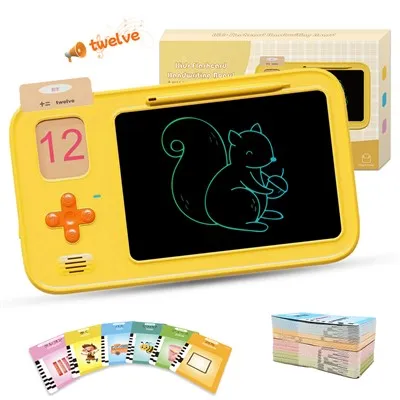
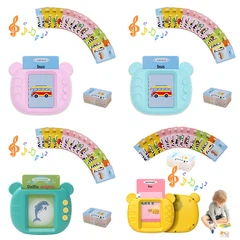
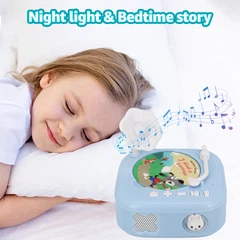
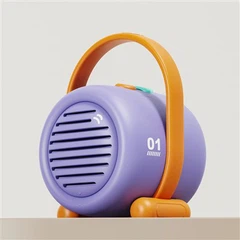
Children's Phonograph Toy
- Multi-sensory Interaction
Children listen to the story while physically inserting and flipping corresponding story cards, strengthening the link between visual and auditory memory and boosting focus and attention.
- Language Development
Professionally recorded narrations provide a model for correct pronunciation and intonation, help build vocabulary and sentence structure, and repeat listening sessions consolidate memory and improve listening comprehension.
- Stimulates Imagination & Creativity
A wide variety of engaging story themes and vivid plots encourage role-playing and imaginative reenactment, helping children to build rich mental story worlds.
- Fosters Independent Learning Habits
Kids choose the cards they're interested in and operate the device themselves, enhancing decision-making and fine motor skills-key foundations for self-directed learning.
- Reduces Screen Time
Unlike backlit devices, the combination of physical cards and analog audio is gentler on the eyes and less distracting, aligning with parents' desire to limit electronic usage.
- Portable & Durable
Lightweight design with built-in card storage makes it easy to carry on trips; made of child-safe ABS materials, it's drop-resistant and travel-ready.
- New Parent-Child Reading Experience
Parents and children can select cards and listen together, or parents can preview stories to guide discussions-enhancing bonding and insight into the child's interests and comprehension.
- Expandable Story Library
New packs of story cards covering fairytales, science, history, and folklore are continuously released, keeping content fresh and maintaining long-term engagement.
- Physical & Cognitive Coordination
Many stories include simple rhymes or rhythmic music, fostering a sense of rhythm, basic motor coordination, and social-emotional learning.
- Meets International Safety Standards
High-quality materials and circuit design ensure no sharp edges on cards, moderate volume levels, and compliance with CE, FCC, and EN71 certifications-ideal for export markets.

Please check Children's Phonograph Toy video: