




The holiday shopping season waits for no one, and neither do the factories churning out popular sound toys in Shenzhen. Every year, retailers and brands scramble in the fall only to discover that production slots have vanished and ships are already sailing without their orders. If you're still shopping around for quotes on talking flash cards, AI plush animals, or story projectors, the clock is ticking louder than you realize. With key deadlines looming in late July and early August 2026, waiting could mean missing the entire Christmas sales window or paying a premium to rush things through air freight.
This isn't just another supply chain warning-it's the reality of global manufacturing timelines, ocean freight schedules, and the brutal math of holiday retail. Christmas demand for educational sound toys peaks hard from Black Friday through December, but getting those products from Chinese factories to U.S. shelves or Amazon FBA warehouses takes careful planning. Production lines have finite capacity, ports get congested, and customs plus final-mile logistics eat up weeks. The smart move? Lock in your orders now while factories still have flexibility.
Why Timing Beats Everything Else in Sound Toy Sourcing
Buyers often spend June and July comparing prices, August deciding on suppliers, and September finally pulling the trigger. By October, they're panicking when factories say the lines are booked solid through the holidays. It's not that manufacturers are uncooperative-the numbers simply don't lie. A typical Shenzhen line might produce 8,000 to 12,000 standard sound toys per week. When dozens of brands chase the same Christmas delivery, the earliest confirmations win the slots. Latecomers get pushed to January shipments, which kills holiday momentum.
The key insight here is shifting your focus from pure cost negotiation to calendar management. Pick your product category, confirm the factory, map out the delivery timeline, and only then hammer out pricing details. This approach prevents the common trap of endless quote-chasing that eats up precious weeks. Ocean shipping from Shenzhen to the U.S. West Coast takes about three to four weeks of sailing time alone, with additional delays at ports, customs clearance, and FBA intake adding another two to three weeks. Factor in production, and you're looking at a multi-month process that demands action in midsummer.


Talking Flash Card Machines: The High-Volume Holiday Heavyweight
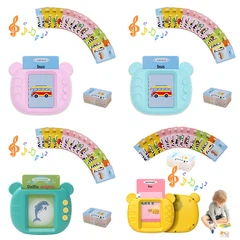
Talking flash card machines rank among the top-selling sound toys every Christmas. These compact, gift-ready devices offer educational value with custom audio content, making them perfect for parents seeking screen-free learning gifts. They're small enough for standard Amazon packaging, priced accessibly for broad retail appeal, and stocked heavily by big-box stores during Q4.
Consider a real-world example: A French educational brand placed an order for 5,000 units in mid-October one year. The toys finally arrived just before Christmas, sold out quickly in the first couple of weeks, but left money on the table during the crucial final stretch. That late order cost them significant sales because they underestimated the full timeline.
For standard ODM flash card machines using existing molds and PCBs with custom audio, production typically runs four to five weeks. Adding custom colors (Pantone matching without new tooling) tacks on another week, and custom 4C offset-printed gift boxes add yet another. Sea freight to U.S. West Coast ports runs three to four weeks, followed by one to two weeks for customs and FBA processing.
To hit shelves by early November for a full pre-Black Friday run, orders need confirmation by August 1. This gets production wrapped by early September, containers loaded mid-month, arrival in Los Angeles by early October, and products live on Amazon or retail floors with four solid weeks of selling time before the big rush. Delay to August 10, and your shelf date slips to mid-November, slashing your prime selling window in half while production costs stay identical. Every week of hesitation past that August 1 cutoff can cost around 15% of your potential Christmas revenue.
These toys shine because of their perceived educational benefits and easy gifting appeal. Retailers love them for predictable demand, and parents appreciate the tangible learning experience over digital alternatives. But success hinges on early inventory placement-late arrivals mean competing against fully stocked competitors.
AI Plush Toys: The Longest Lead Time but Highest Margins
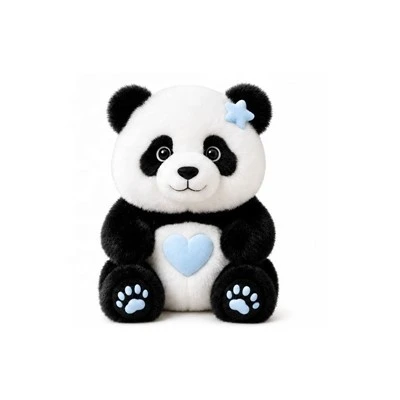
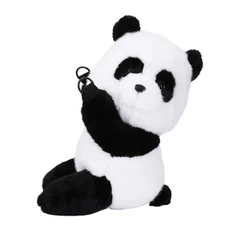
AI plush toys represent the premium end of sound toys, combining cuddly appeal with smart voice interaction. They're more complex to manufacture, which explains their extended timelines. The process involves fabric cutting, sewing, and stuffing-a labor-intensive step unlike fast injection molding. A single worker might handle only 50-80 bodies per day, so scaling to thousands requires significant manpower.
Inside, the AI voice module (often based on chips like Jieli AC7911B with microphones and speakers) must be precisely sewn into fabric pockets. Microphone placement at the "mouth" and speaker at the belly is critical for reliable wake-word performance. Misalignment can tank accuracy dramatically. On top of hardware, voice personality tuning-making sure a teddy bear sounds warm and playful rather than robotic-takes one to two weeks of testing after assembly.
Total production for AI plush can stretch five to seven weeks. To make Christmas, confirm orders by July 25 at the latest. This allows plush bodies ready by mid-August, module integration shortly after, tuning completed by early September, and containers departing in time for early November shelf placement.
The upside is strong margins-AI plush often commands higher prices due to the "wow" factor. But that margin gets eaten quickly if you resort to expensive air freight later. At around 400 grams per unit, air shipping can cost four to five times more than sea. Weigh your numbers carefully: If margins won't support rushing, July 25 is non-negotiable. Brands that nail this category early enjoy strong sell-through because kids (and parents) can't resist interactive talking companions during the holidays.


Story Projectors: Balancing Customization and Speed
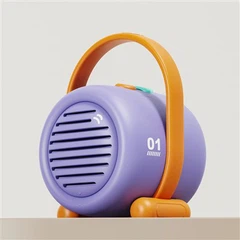
Story projectors sit in a sweet spot-more customizable than basic flash cards but simpler than AI plush. They project bedtime stories or images, appealing to families wanting magical, low-tech entertainment. Lead times vary based on custom elements: standard ODM models with off-the-shelf content ship fastest at three to four weeks production.
Custom disc content (your artwork on their templates) adds about a week for review and approval. Pantone color matching on existing molds adds another week, while full custom packaging can require one to two weeks for proofs. Combining all custom options pushes total production to five to seven weeks.
Target an August 5 order confirmation for full customization to ensure November 7 shelf dates. If you're okay with standard colors and packaging and only need custom discs, you might stretch to August 15. The trade-off is clear: Highly branded, custom versions build stronger identity but risk later arrival. A plain model on shelves November 1 will outsell a gorgeous custom one still stuck on a ship weeks later.
These projectors perform well as mid-season sellers because they encourage family bonding and imagination. Retail buyers appreciate the visual appeal on shelves, and the category allows creative content differentiation without extreme complexity.
Sound Books: Fast Production for Volume Plays
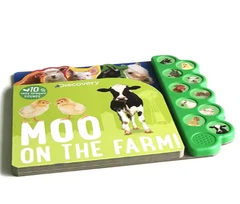
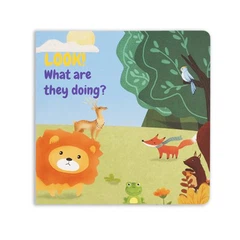
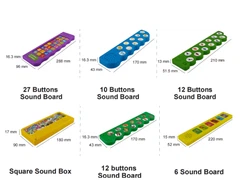
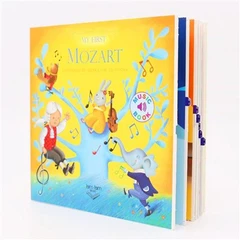
Sound books offer the quickest route among these categories thanks to simpler construction: printed and laminated pages, pre-assembled sound modules, and basic binding. No complex molding or fabric work here. Standard ODM versions with custom audio take three to four weeks. Custom artwork on pages adds one week for proofs, while major module redesigns (new button layouts) essentially create a new product and add significant time.
Aim for August 10 confirmation to secure early November availability. These books excel as impulse buys at checkout or affordable add-ons in online carts. Retail price points around $15 make volume essential-low quantities get crushed by per-unit shipping costs. Successful brands order in the thousands to keep landed costs under half the retail price, preserving healthy margins.
Their strength lies in accessibility. Touch-button pages engage young children, and the format works beautifully for both gifting and everyday use. They're steady performers rather than pure Black Friday spikes.


White Noise Night Lights: Steady Sellers with Extra Flexibility
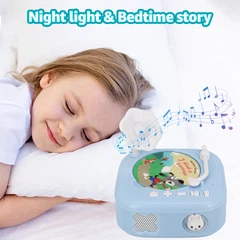
White noise night lights serve a practical purpose-helping babies and toddlers sleep through consistent, soothing sounds and soft illumination. Unlike flashy gift items, these are parent-driven purchases that sell steadily from October through Christmas rather than exploding on one weekend.
Production mirrors the simpler categories: three to four weeks standard, plus one week for custom colors. Most buyers stick with standard packaging plus a brand sticker, avoiding extra delays. An August 15 order works well, landing products by early-to-mid November for consistent sales through December 24.
This extra breathing room lets you refine colors and details without panic. Night lights don't need the absolute earliest shelf dates because demand remains stable. They're a smart "quiet winner" for diversified holiday assortments.
The Big Picture: Ocean Freight, Factory Slots, and Your Bottom Line
Across all categories, the real constraint isn't factory unwillingness but the physics of global shipping. A container from Shenzhen to Los Angeles sails for about 21 days, but port waits, clearance, and final delivery add critical time. Early orders secure prime slots on dedicated Christmas production schedules.
Buyers who waited until September last year swore they'd act sooner-and now it's July 2026. Factories have capacity today, components are available, and lanes aren't jammed yet. The difference between confirming in late July versus mid-August is often the difference between full-season sales and disappointing leftovers.
Key questions to answer immediately:
- Which exact product category fits your lineup?
- How much customization do you truly need versus speed?
- Can you commit to a purchase order and deposit this week to reserve production?


Taking Action Before Deadlines Pass
Don't let another holiday season slip away due to delayed decisions. Whether you're targeting talking flash cards for mass retail, AI plush for premium margins, or any of the other strong categories, the window for optimal Christmas delivery is closing fast. Reach out with your category, target quantities, and desired delivery window. Smart suppliers will prioritize the calendar first, then pricing, and confirm slot availability quickly.
The toy business rewards preparation. Those who plan timelines rigorously capture market share while late movers fight for scraps. With Black Friday and Christmas 2026 approaching, now is the moment to move. Secure your sound toy orders, protect your selling season, and set your brand up for holiday success. The factories are ready-what about you?