
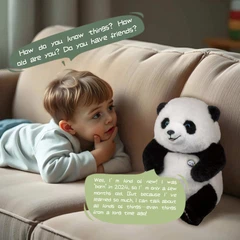
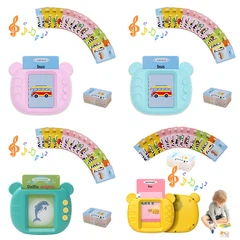
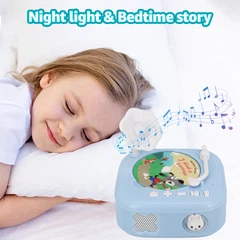
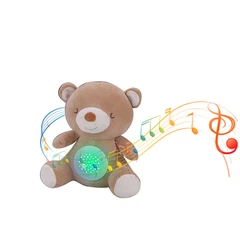



AI Plush Toy Electronic Interactive Companion for Kids
The Three-Layer Success Model
Walk through any retail toy aisle and you will see the same pattern. Half the AI plush toys on the shelf gather dust within weeks. The other half become bedtime favorites that children refuse to leave home without. What separates them? It is not price. It is not packaging. It is whether the product delivers on three interconnected layers at the same time.
Most manufacturers invest heavily in one layer and ignore the other two. A talking plush toy with voice-only interaction has great conversation but no emotional expression. A sensor-only gadget reacts physically but cannot hold a meaningful dialogue. A beautifully designed plush with no AI inside is just a stuffed animal. The winning products in 2026 are the ones that build all three layers into a single coherent system.

Each layer supports the one above it. Emotional expression creates the first attraction. Physical interaction creates daily retention. Together they create a product that sells itself on the shelf. This is the model behind every successful AI plush toy electronic product on the market today.
Layer 1 - The Emotional Signal
The first five seconds decide everything. A child picks up the toy. If the eyes look flat and lifeless, the toy goes back on the shelf. If the eyes light up with a friendly expression, the child hugs it before reading the box.
This is the entry layer. It does not need to be complex. It needs to be alive. LED eyes that crinkle when spoken to, soften when sleepy, and brighten when excited - these are the signals that trigger the initial emotional bond. Without this layer, even the best AI conversation feels like talking to a speaker.
| Feature | Static Eyes | LED Expression Eyes |
|---|---|---|
| First impression | Flat, generic | Warm, responsive |
| Emotional bond | Weak | Strong |
| Repeat interaction | Low | High |
| Shelf appeal | Low | High |
This is the layer that gets the product picked up off the shelf in the first place.

Layer 2 - The Physical Feedback Loop
Once the child picks it up, the second test begins. What happens when they squeeze it? When they turn it upside down? When they pat its head?
This is where many products fail. A voice-only toy sits on the shelf and waits to be spoken to. It does not react to being handled. A product with gyroscope and touch sensors, by contrast, responds instantly - a surprised sound when tossed, a happy chirp when patted, a sleepy rhythm when laid flat. These physical responses are what make the child feel like the toy is truly present. This is the difference between a kids smart toy and a glorified Bluetooth speaker.
| Sensor Feature | Voice Only | Voice + Gyroscope + Touch |
|---|---|---|
| Responds to being picked up | ✗ | ✓ |
| Reacts to orientation change | ✗ | ✓ |
| Different sounds per touch zone | ✗ | ✓ |
| Retention after 1 week | Low | High |
This layer is what turns a one-time novelty into a daily companion.

Layer 3 - The Commercial Differentiator
The first two layers are about the child. The third is about the buyer. When a parent or retail purchaser sees three similar-looking plush toys on the shelf, what makes them choose one over the others?
It is not the price tag alone. It is whether the product tells a complete story. An interactive companion toy that can hold a conversation, show emotion through its eyes, and respond physically to touch - that is a product with a clear value proposition. A toy that only does one of these things looks like a cheaper version of something the parent already owns.
| Product Type | Emotion Layer | Physical Layer | Commercial Edge |
|---|---|---|---|
| 🥉 Entry (voice only) | ✗ | ✗ | Price competition only |
| 🥈 Mid (voice + 1 sensor) | ✗ | Partial | Moderate differentiation |
| 🥇 Premium (all three layers) | ✓ | ✓ | Strong shelf standout |
The premium tier is where margins are healthier, returns are lower, and word-of-mouth spreads faster. This is not a coincidence. It is the result of building all three layers.

Why Most Products Only Build One Layer
The industry has a structural problem. Most toy factories are either plush manufacturers or electronics companies. Plush factories understand fabric and stuffing but struggle with sensors and cloud AI. Electronics companies understand chips and firmware but struggle to make something soft, huggable, and visually appealing to children.
This is why you see so many half-finished products on the market: a beautiful plush with a basic speaker inside, or a technical gadget with a plastic shell that no child wants to cuddle. The factories that succeed are the ones that bridge both worlds - designing the plush exterior, the sensor layer, and the AI conversation system as one integrated product rather than three separate components glued together.
The Flywheel
When all three layers work together, something interesting happens. The child picks up the toy because the eyes look alive (Layer 1). They keep playing because it responds physically to touch and motion (Layer 2). The parent buys it again for a friend or family member because the product is clearly more capable than the alternatives on the shelf (Layer 3). That is the flywheel. 🌀

This is the model that defines successful kids smart toy products in 2026. It is not about having the biggest screen or the longest feature list. It is about building three layers that reinforce each other, inside one soft, huggable body. Any AI plush toy that misses even one layer will struggle to compete. Any electronic plush toy that gets all three right will win.
Get in Touch 📬
If you are looking for an interactive companion toy built on all three layers - emotional expression, physical interaction, and commercial differentiation - we would be glad to share specifications and samples.
📧 Judy - xdt04@dtdianzi.com
📱 WhatsApp / WeChat: +86 136 0263 5993
🌐 www.kidsoundbook.com