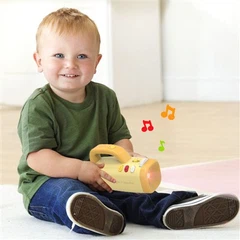
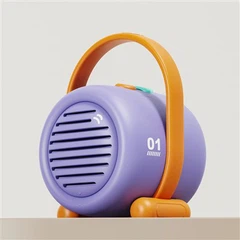
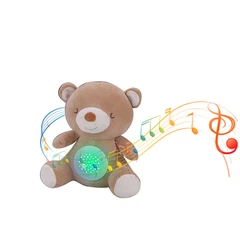
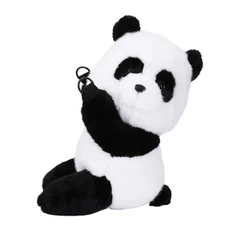


The toy industry is undergoing a profound transformation. What was once a sector defined by simple entertainment has evolved into something far more meaningful. Today, AI interactive toys are redefining the relationship between children and their playthings-turning static objects into responsive, learning, and emotionally aware companions.
Market data underscores this shift. According to the China Commercial Industry Research Institute, the domestic AI toy market is projected to reach 85 billion RMB by 2030 . This explosive growth reflects a fundamental change in consumer expectations: parents and children alike are seeking toys that offer interaction value, emotional value, and developmental value
Beyond Function: The Shift Toward Companionship
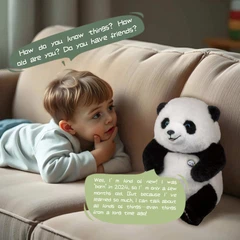
The core evolution is philosophical. Traditional toys delivered one-way content-a story played, a song sung. AI interactive toys, however, have moved from "function" to "companionship." They no longer just broadcast information; they engage in conversation, respond to emotions, and even remember past interactions to build a continuous relationship with the child .
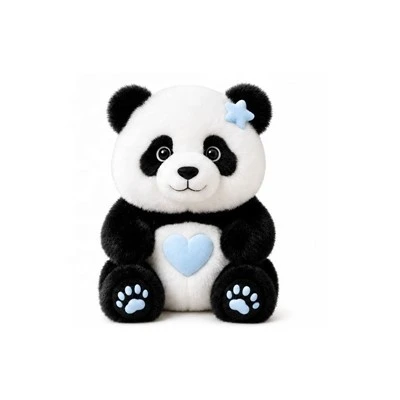
Take the example of AI plush toys equipped with large language models. These aren't simple story machines. They can detect emotional states, adjust their tone accordingly, and provide empathetic responses . This capability transforms them from passive objects into active participants in a child's daily life.
The technology powering this shift is sophisticated. Voice interaction, emotional recognition, and long-term memory are now standard features in high-end AI toys . Some products can even be customized with specific character personalities-a panda that speaks in a gentle, nurturing voice, or a robot with a playful, energetic demeanor


A New Market Landscape: From Kids to "All Ages"
Perhaps the most surprising development is the expansion of the user base. While initially targeted at children, AI interactive toys are finding fans across all age groups .
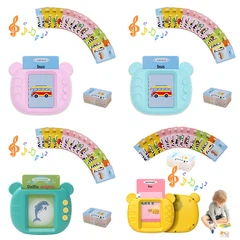
For children: Educational AI toys serve as learning companions, offering language practice, math challenges, and storytelling in an engaging, screen-free format.
For young adults: AI plush keychains offer emotional comfort and can even "make friends" with other devices through simple taps.
For the elderly: AI memory assistant toys provide medication reminders, play nostalgic music, and offer conversational engagement to combat loneliness .
This broadening appeal has made AI interactive toys a hit in international markets. In Yiwu, China's famous export hub, AI toys have become bestsellers for foreign buyers. One store owner reported receiving orders worth hundreds of thousands of yuan in a single morning for an AI robot that could converse fluently in multiple languages
The Role of OEM/ODM Manufacturing
For brands looking to enter this booming market, partnering with experienced OEM/ODM manufacturers is crucial. A reliable partner with over 15 years of experience in children's educational toys can provide:
Comprehensive customization: From logos and packaging to colors and materials, a full OEM service ensures your brand identity is front and center.
Prototype development: ODM services take your concept from initial communication to final product, with strict quality control at every step.
Expertise and scale: Leading manufacturers have served over 20,000 customers and shipped products to more than 120 countries, demonstrating global reach and operational reliability .
Customer testimonials consistently highlight the importance of professional service, fast communication, and product quality. As one satisfied buyer noted, "The product was great quality and the service was amazing. They helped customize everything perfectly"


The Future: AI Integration and Personalization
The next frontier for AI interactive toys lies in deeper AI integration and personalization. Leading tech companies are already collaborating with toy manufacturers to bring advanced AI models to the consumer market. Huawei, Alibaba Cloud, and Baidu are all actively building ecosystems around AI toys, providing developers with the tools to create increasingly sophisticated interactive experiences .
The introduction of multimodal interaction-combining voice, vision, and touch-will allow toys to understand and respond to a wider range of cues. Imagine a toy that can not only hear a child's words but also see their expressions and adjust its behavior accordingly. This is the direction in which the industry is heading.