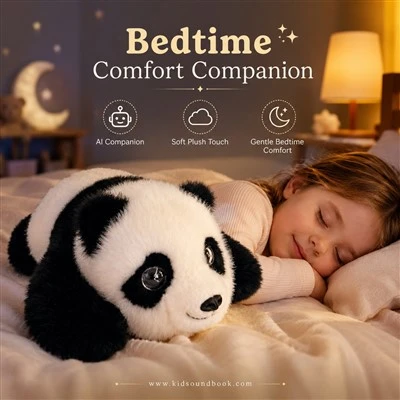
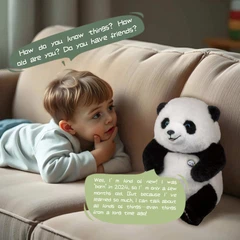



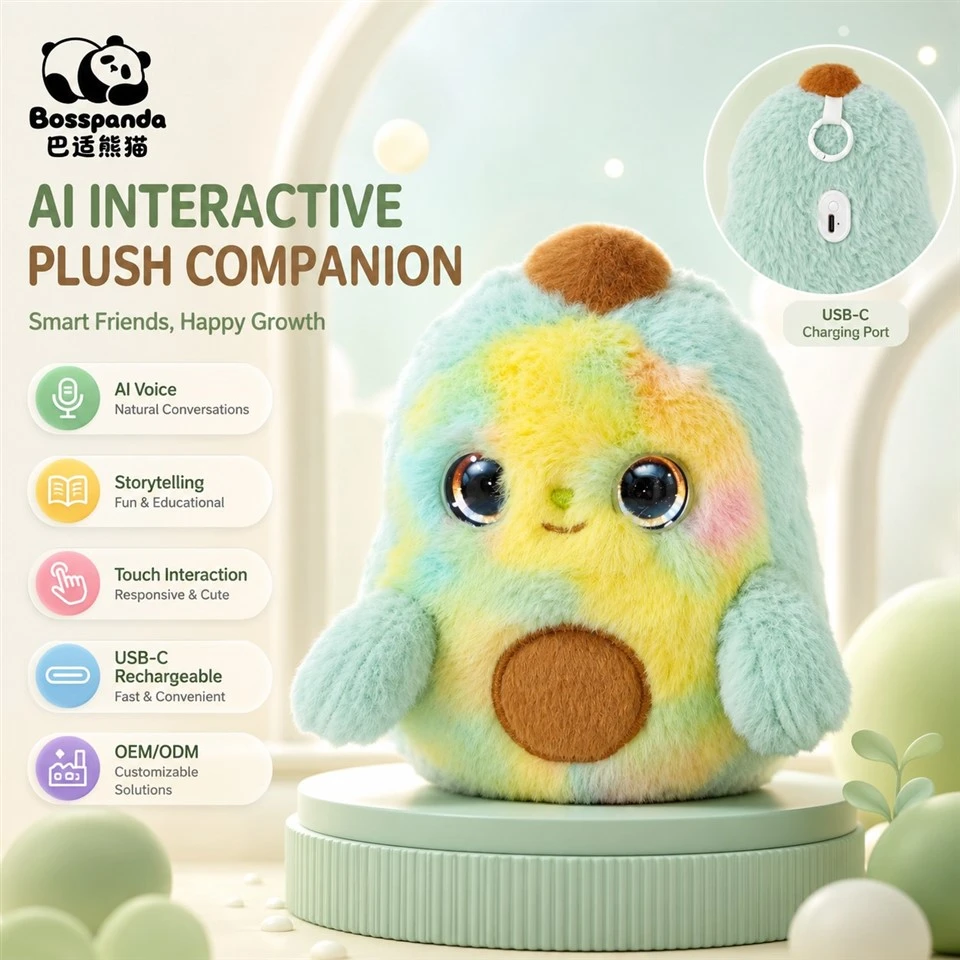
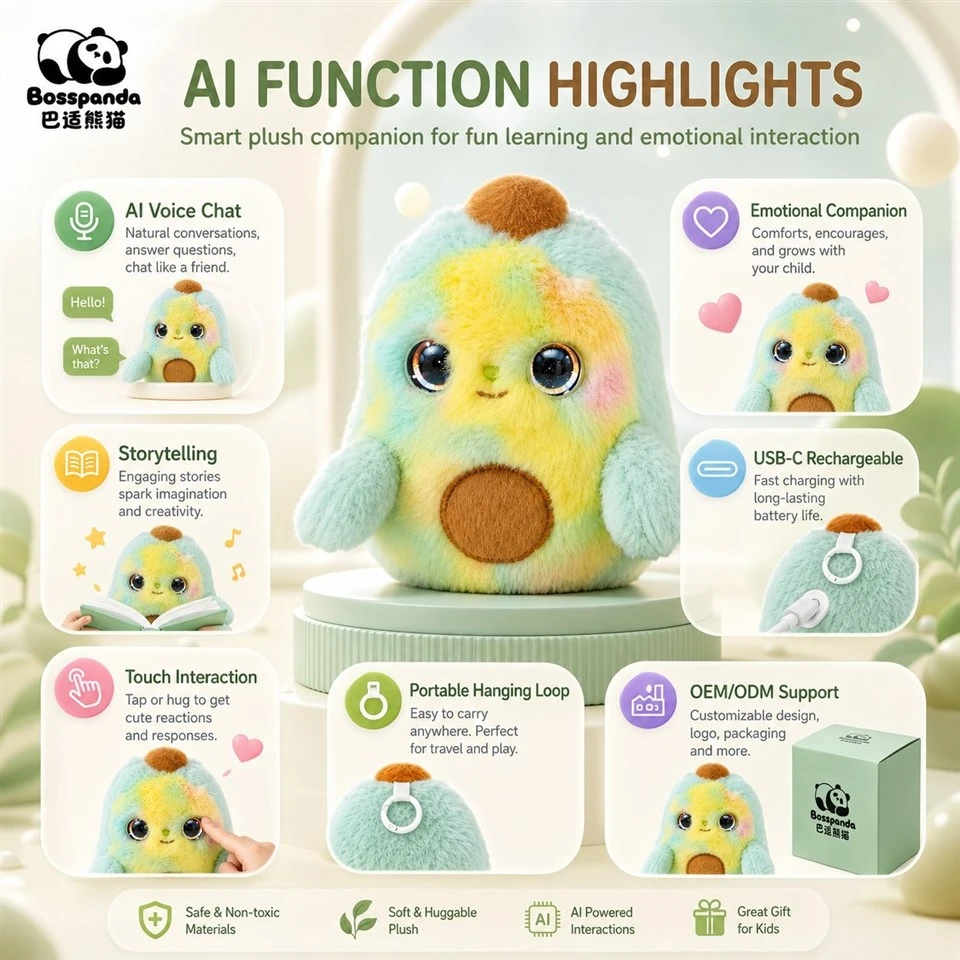
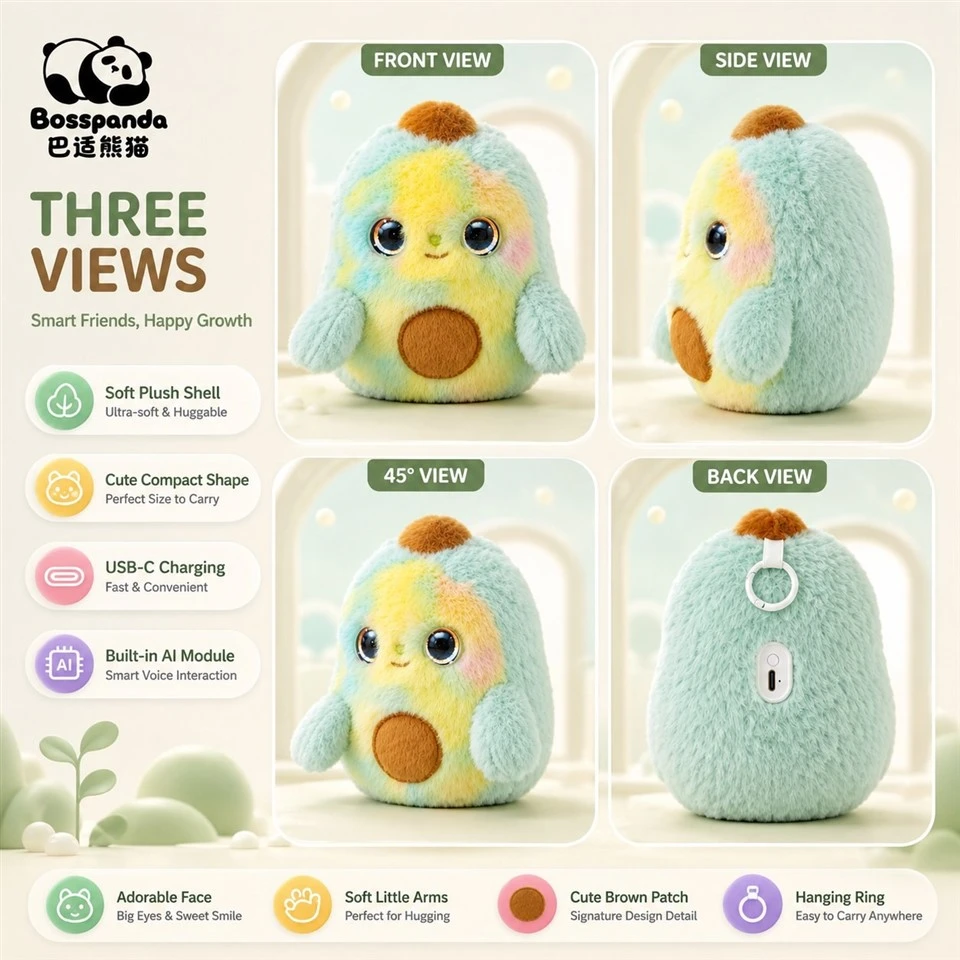
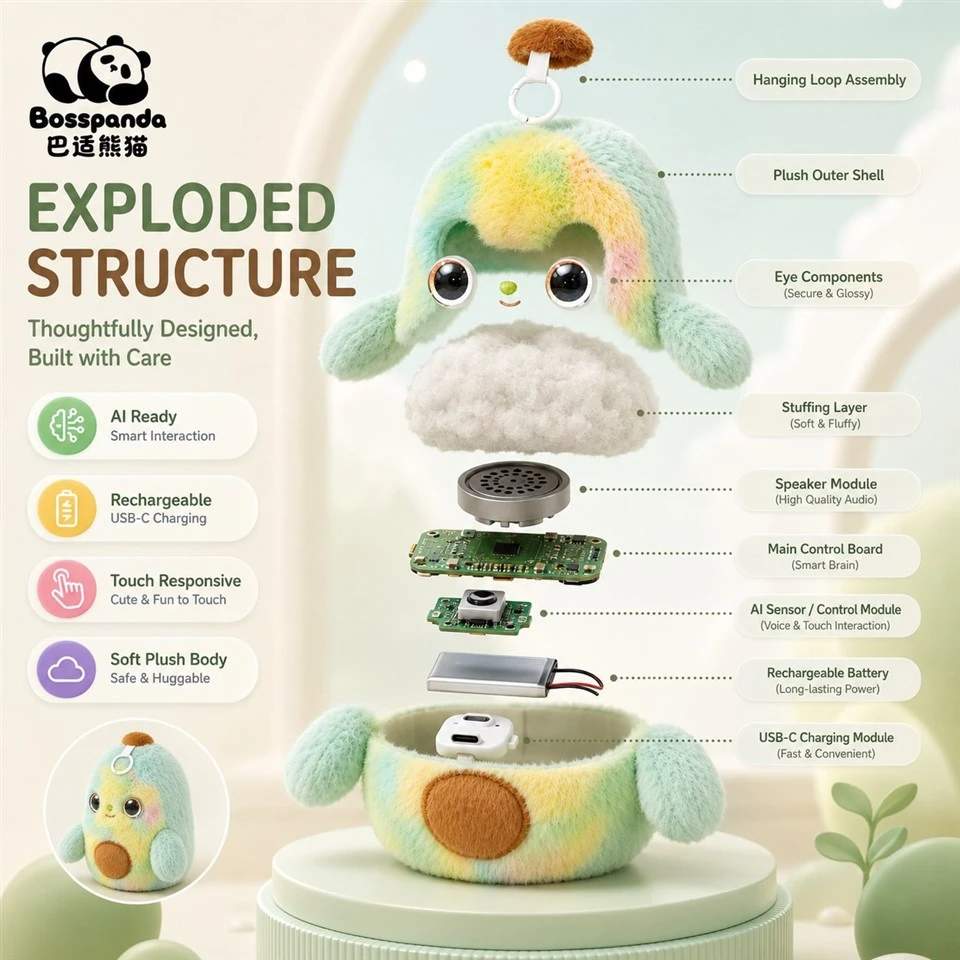
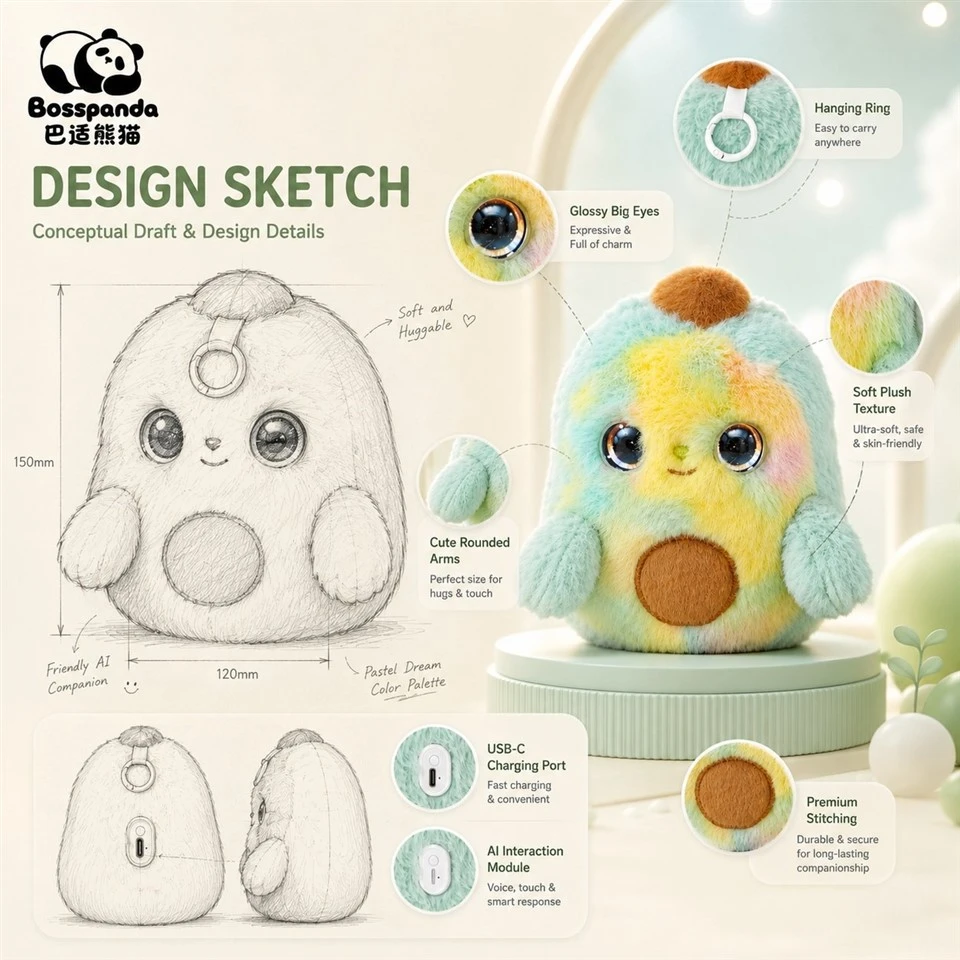
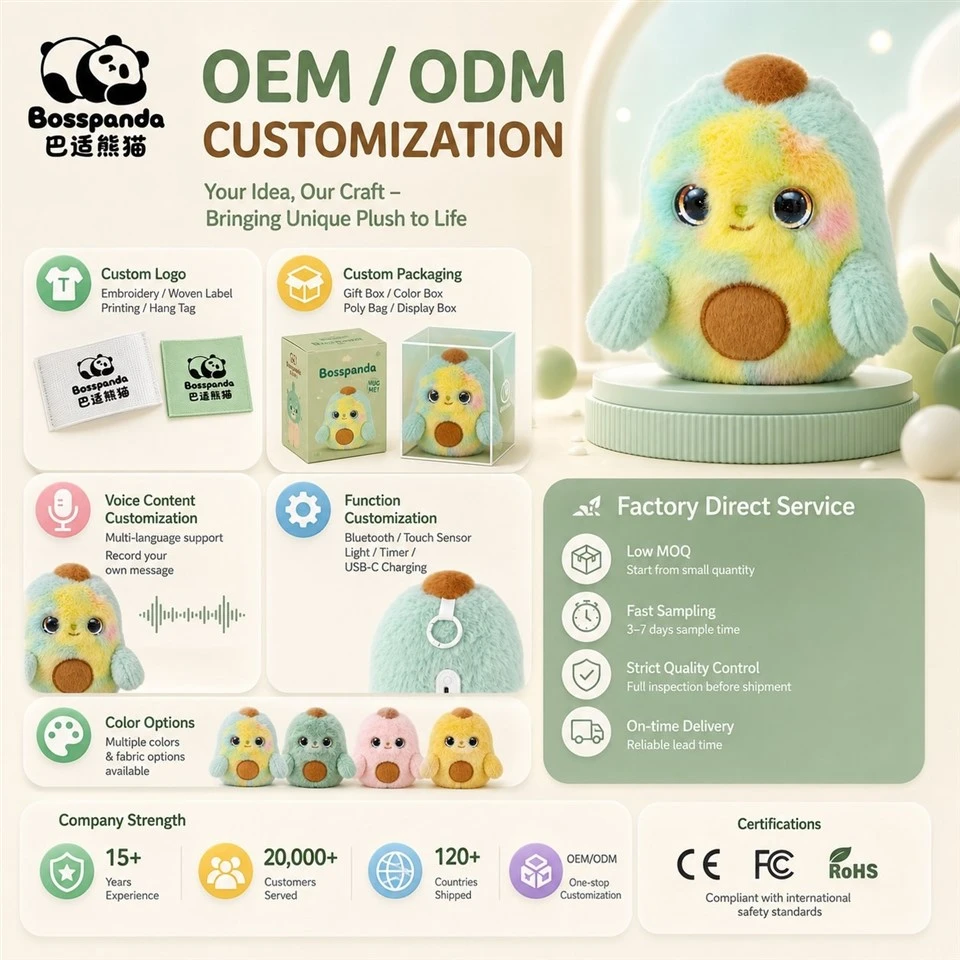
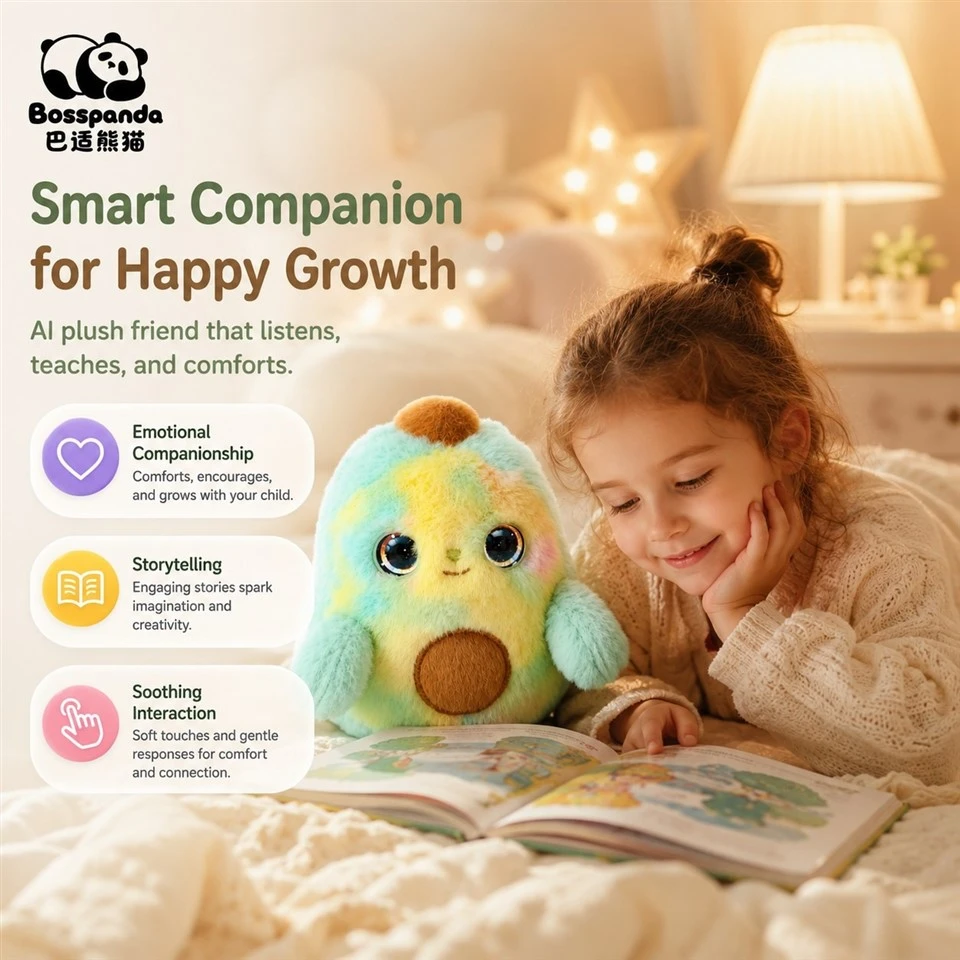
Sensor Fusion Builds Lifelike AI Interactive Plush Toy
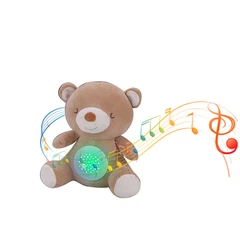
Walk into any toy trade show in 2026 and the same scene repeats. A shelf full of plush animals that all claim to be powered by a large language model. They talk, they answer questions, and yet children lose interest within minutes. The reason is simple. Most of these products are a speaker inside a soft suit. They have a brain but no body. 🧸
This gap between "talking" and "feeling alive" is where the next generation of AI interactive plush toy wins or loses. The conversation model on its own is no longer a selling point. What buyers now ask is whether the toy reacts like a living thing when it is touched, tilted, or hugged.
The Real Problem: A Voice With No Body
First-generation smart plush toys solved one job and one job only. They connected to WiFi, pulled an answer from a large language model, and played it back through a small speaker. That sounds impressive on paper. In real play, a child pats the head, turns the toy upside down, or drops it on the bed, and nothing happens except the ongoing dialogue.
When a child's action gets no physical reply, the brain quickly labels the toy as a screen with fur. Reviews on major retail platforms often use phrases like "boring after a week" or "feels robotic." These are not complaints about the AI model. They are complaints about the missing body.
What Sensor Fusion Actually Fixes
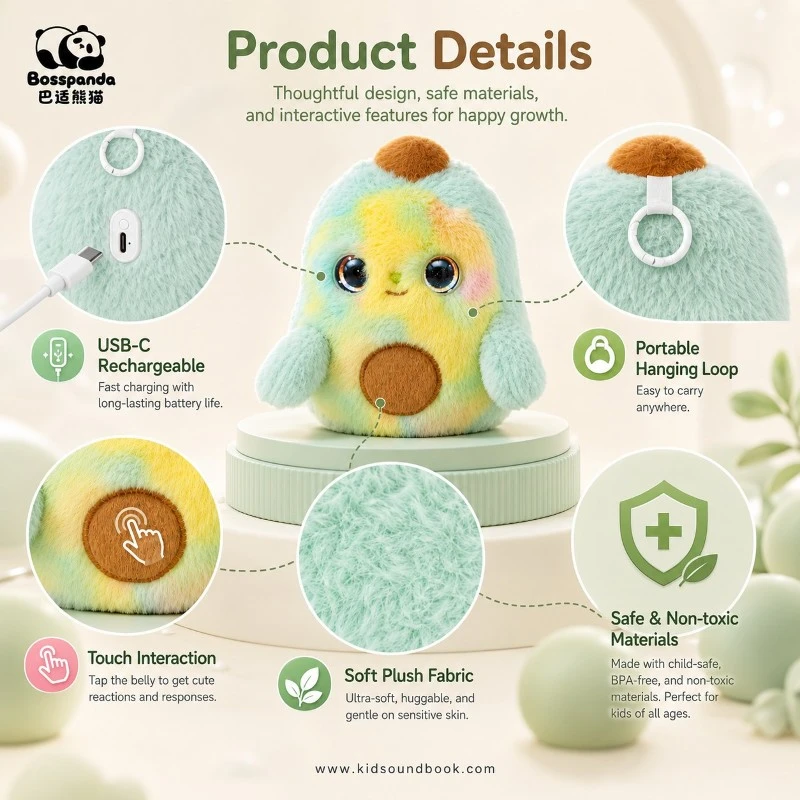
Sensor fusion is the engineering term for making several sensors agree at the same moment. A touch sensor on the head, a gyroscope inside the body, a microphone, and a pair of LED eyes do not work as separate features. They work as one loop. When a child pats the head, the touch sensor sends a signal, the controller decides which animal sound to play, the eyes switch to a happy expression, and the speaker delivers the sound. All of this must happen in roughly the same breath. 🎯
If any piece lags, the magic breaks. A child who waits half a second for a reaction feels the delay. The toy stops feeling alive. This is why two products with the same chat model can end up with very different ratings.
The 150 Millisecond Rule
Brand buyers rarely ask for a timing spec, but they should. In our factory experience, the gap between a child's touch and the toy's audio response should stay under 150 milliseconds. Beyond that, the interaction starts to feel remote. The eye animation should land at the same time as the sound, not a beat after. A simple way to test this is to pat the head ten times in a row. If the response feels predictable and quick, the sensor loop is tuned correctly. If it feels random or slow, the tuning is not done.
Why Biomimetic Interaction Matters More Than Another Language
Biomimetic interaction means copying the way real animals respond to physical touch. A cat pauses when its head is scratched. A puppy wiggles when lifted. A kitten pretends to be upset when turned upside down. These small, physical habits are what children recognize instantly, even if they cannot name them.
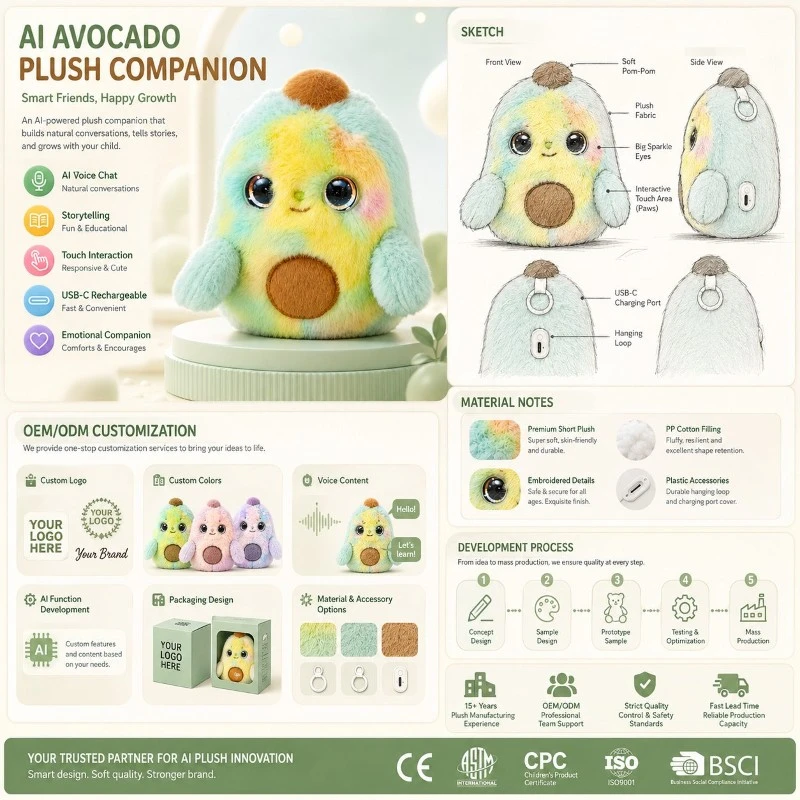
A modern emotionally responsive toy maps a handful of body positions to a handful of moods. Toss it gently and it laughs. Turn it upside down and it makes a soft crying sound. Lay it flat and it breathes out a sleepy tone. These are not complex AI decisions. They are pre-built physical responses that make the toy feel like it has a body of its own. The large language model handles the conversation. The sensor loop handles the body. Both are needed.
LED Eyes Are Not Decoration
The eyes are the fastest way a child judges whether a plush toy is alive. A fixed pair of plastic eyes reads as a stuffed animal. A pair of LED eyes that shifts from happy to confused to sleepy, in sync with the voice, reads as a character. This is why the display choice matters. The eyes must be bright enough for shelf video demos, soft enough for a bedroom night light, and fast enough to change expression mid-sentence.
When the conversation mentions something happy, the eyes should brighten before the child finishes the sentence. When the conversation turns quiet, the eyes should soften. This small feedback loop is what turns a one-way speaker into a lifelike companion that children want to keep on the bed.
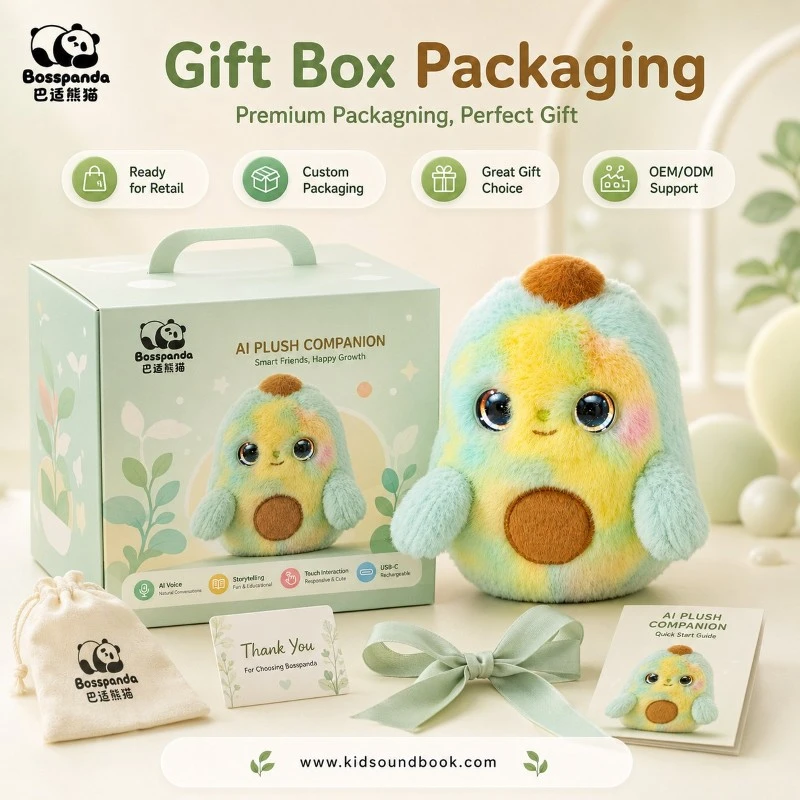
A Practical Acceptance Checklist
Before approving a production sample, brand teams can run a short physical test. 👇
| Test | What to watch for |
|---|---|
| Pat the head ten times | Response should feel quick and consistent |
| Turn the toy upside down | A distinct mood change, not silence |
| Lay the toy flat for thirty seconds | A sleep or calm response should appear |
| Ask the AI a happy question | Eyes should brighten within one beat |
| Ask the AI a soft question | Eyes should soften or look down |
| Cut the voice call mid-sentence | Eyes should return to a neutral idle state |
These six checks separate a tuned product from an untuned one. They cost nothing to run, yet they catch the most common factory defects before shipping.
A Note on the AI Debate
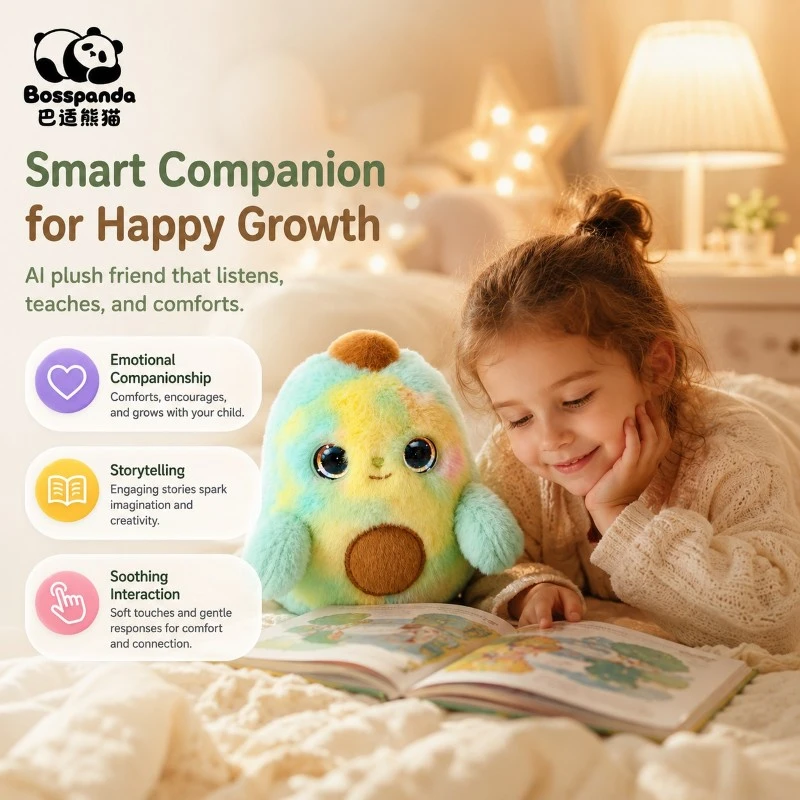
There is a common argument that bigger AI models will solve every problem. This is only half true. A stronger model gives better answers to questions. It does not, by itself, make a plush toy feel like a pet. The body, the timing, and the eyes are not AI problems. They are hardware and tuning problems. Brands that spend the whole budget on the latest model and ignore the sensor loop often end up with a product that talks beautifully but gets returned.
The smartest buyers in 2026 treat the AI model as one layer, not the whole story. They ask suppliers how the touch sensor is tuned, how the gyroscope is mapped, and how the LED eyes sync with audio. These are the questions that predict real reviews. 📈
The market for smart plush toys is growing fast, but the winners are not the ones with the loudest AI claim. They are the ones that feel alive in a child's hands. Sensor fusion, biomimetic response, and eyes that listen are the quiet features that drive repeat purchases and word of mouth.
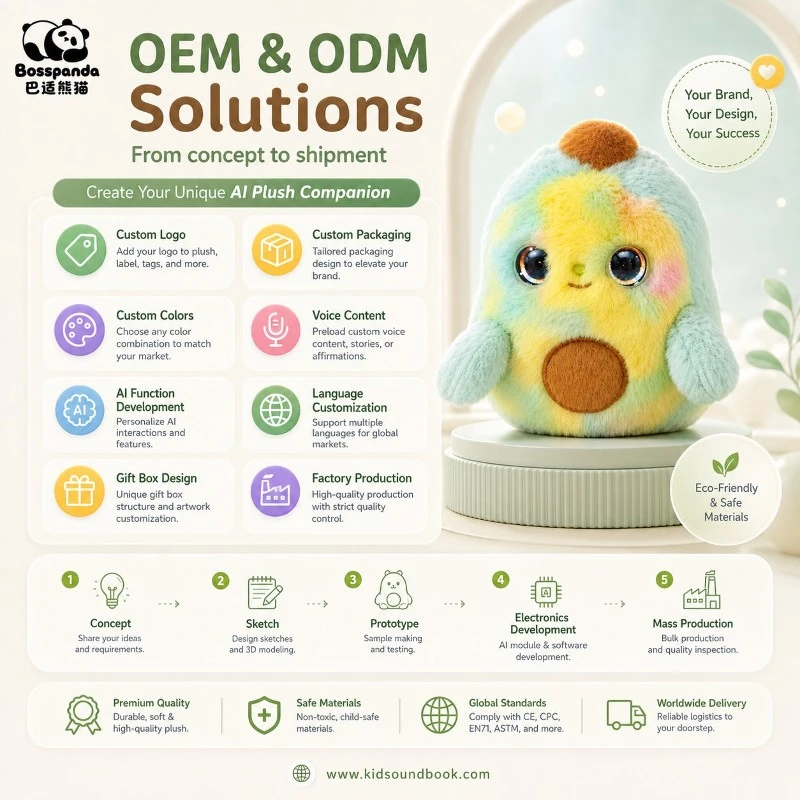
If you are building a custom plush line for 2026 or 2027, we would be glad to walk through how each of these layers is tuned on our production line.
Judy
Shenzhen Xinditai Electronic Co., Ltd.
Website: www.kidsoundbook.com
Email: xdt04@dtdianzi.com
WhatsApp: +86 136 0263 5993
Hot Tags: sensor fusion builds lifelike ai interactive plush toy, China, suppliers, manufacturers, factory, customized, wholesale, bulk, quotation, made in China