

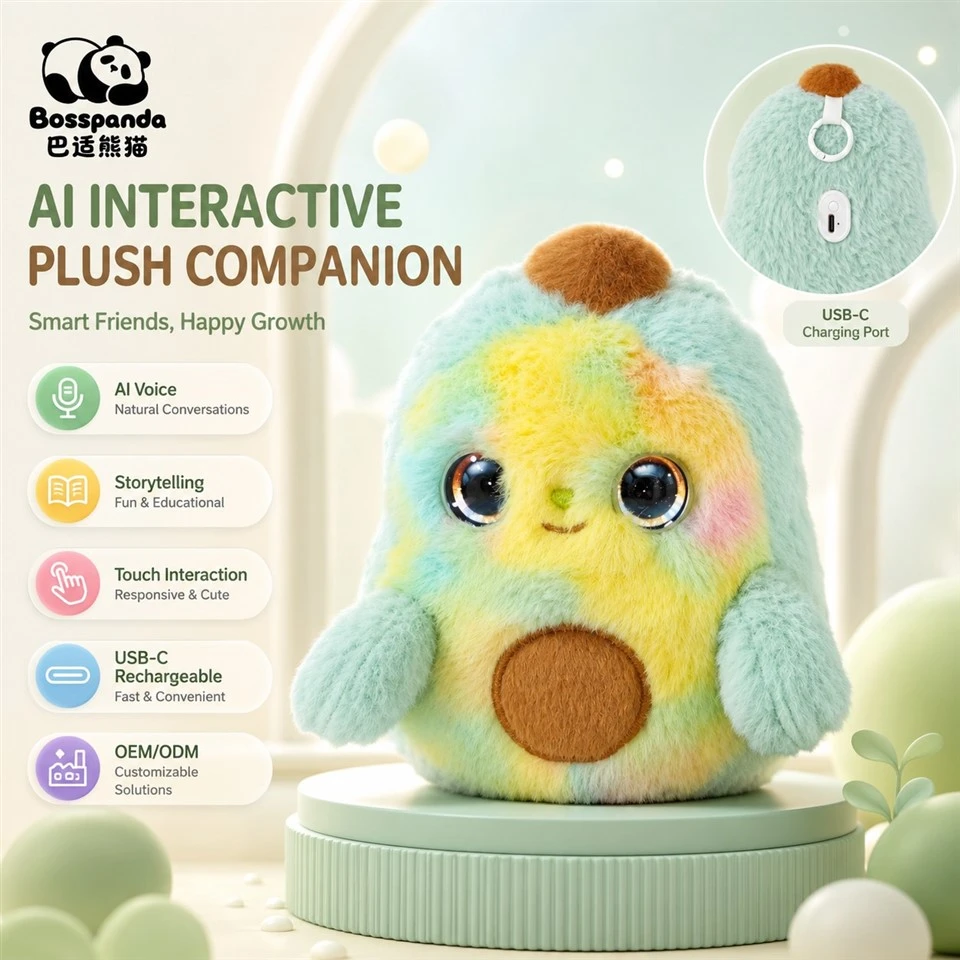
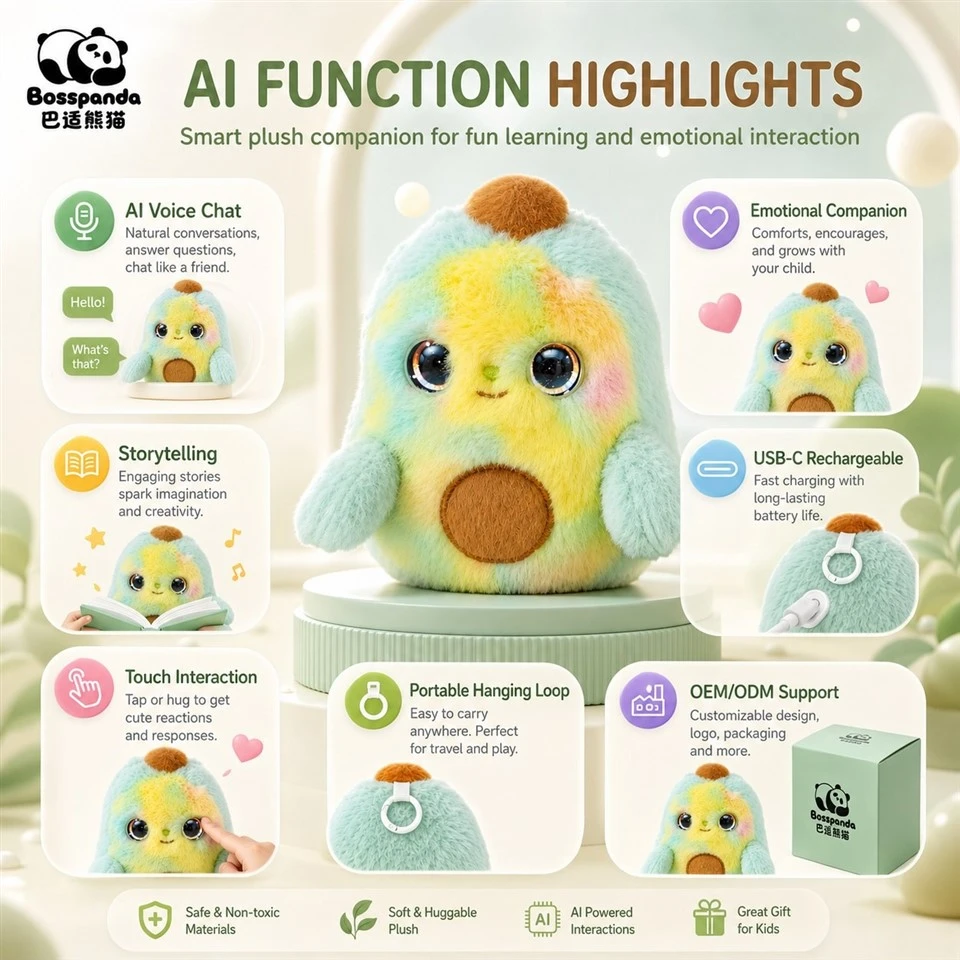
App Connected Plush Toy Drives Smart Companion Retention
Most brands launch a smart plush line and watch the same pattern repeat. The first two weeks sell out. Then return rates climb, average ratings slide from 4.6 to 3.9, and the SKU quietly gets delisted. The product itself rarely changes. What changes is that a child has heard every sound the toy can make. 🔁
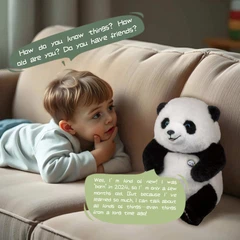
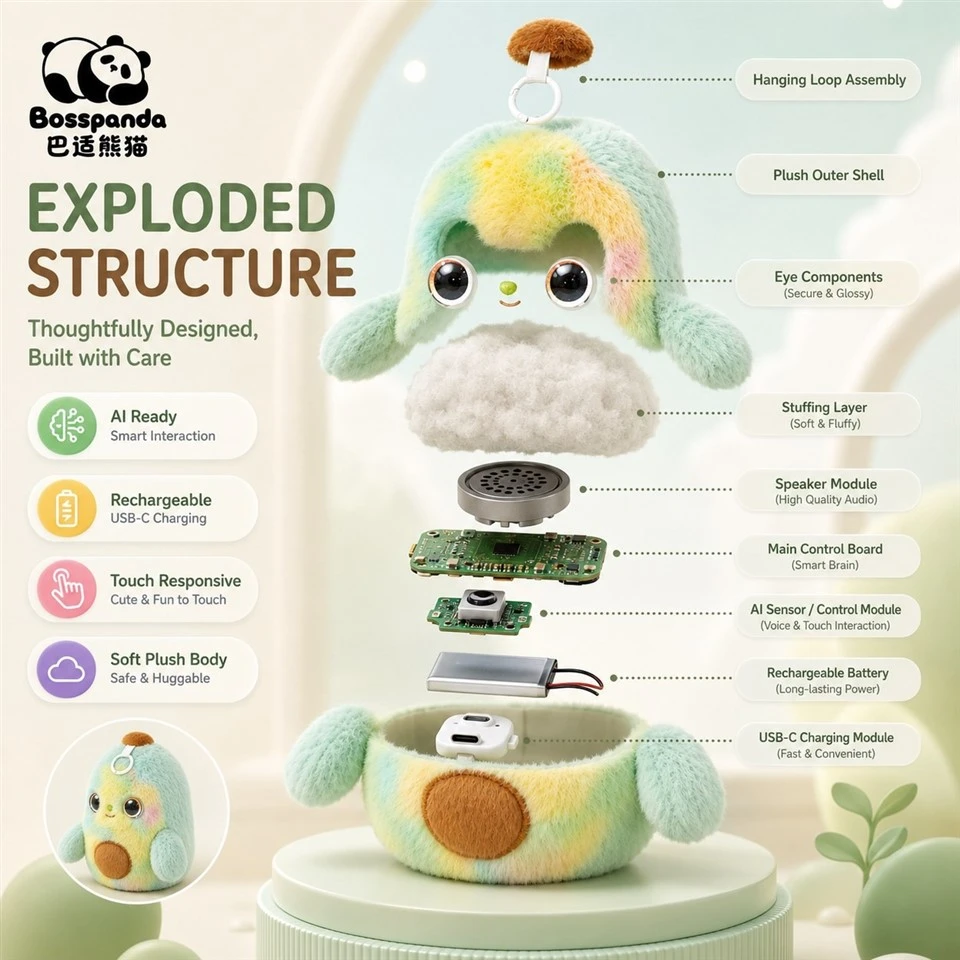
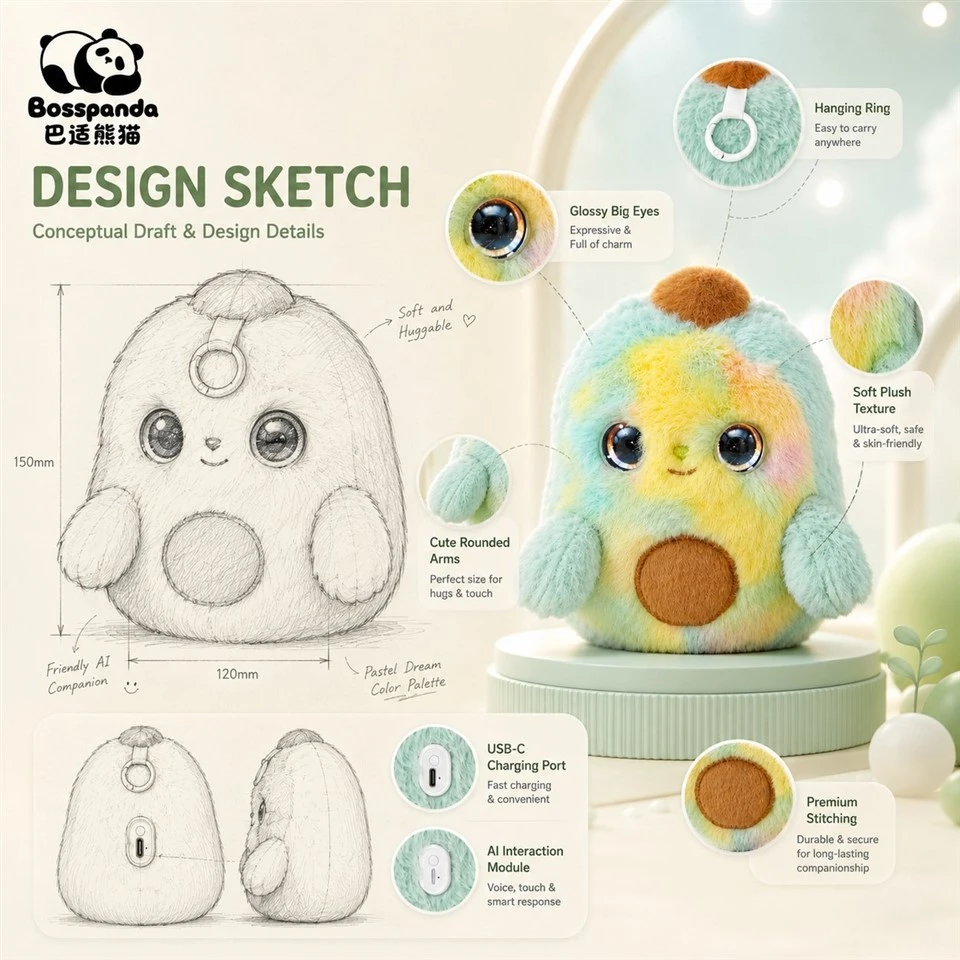
A fixed-audio plush toy has, at most, a few hundred preloaded tracks. Once those tracks are mapped in a child's memory, the toy becomes predictable. An app connected plush toy solves this problem from a different direction. Instead of shipping a fixed library, it ships a doorway to a living content stream. This is the line between a smart plush companion that gets kept on the bed and one that ends up in a donation box.
The Three-Day Pattern That Kills Fixed-Audio Sales
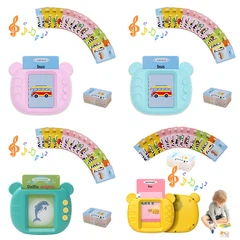
Children finish exploring a fixed-audio toy in roughly three days. Day one is novelty. Day two is repetition. Day three the child already knows which button triggers which song, which phrase follows which question, and the element of surprise is gone. Retail reviews on major marketplaces often use the phrase "too repetitive" within the first month.
Fixed-audio modules have a hard ceiling. Flash memory on the board holds a set number of seconds. Adding more content means a bigger chip, a higher BOM, and a heavier case. Most brands cap the library at launch and never touch it again. From the child's side, the toy stopped growing on day four.
What the APP Actually Adds After Unboxing
The APP is not a remote control. It is a content pipeline. Once the toy links to a phone through a home network, the brand gains a channel that reaches the toy after the box is opened. New stories, new voices, new languages, and new character personalities can be pushed over time. The hardware stays the same, but the experience keeps moving.
This changes the product's economics. A fixed-audio toy is a one-time sale. An app connected plush toy is a relationship. The brand can update the character after a holiday, roll out a seasonal story pack, or add a new language for an export market without touching the physical unit.
Role Editing and Character Personalization
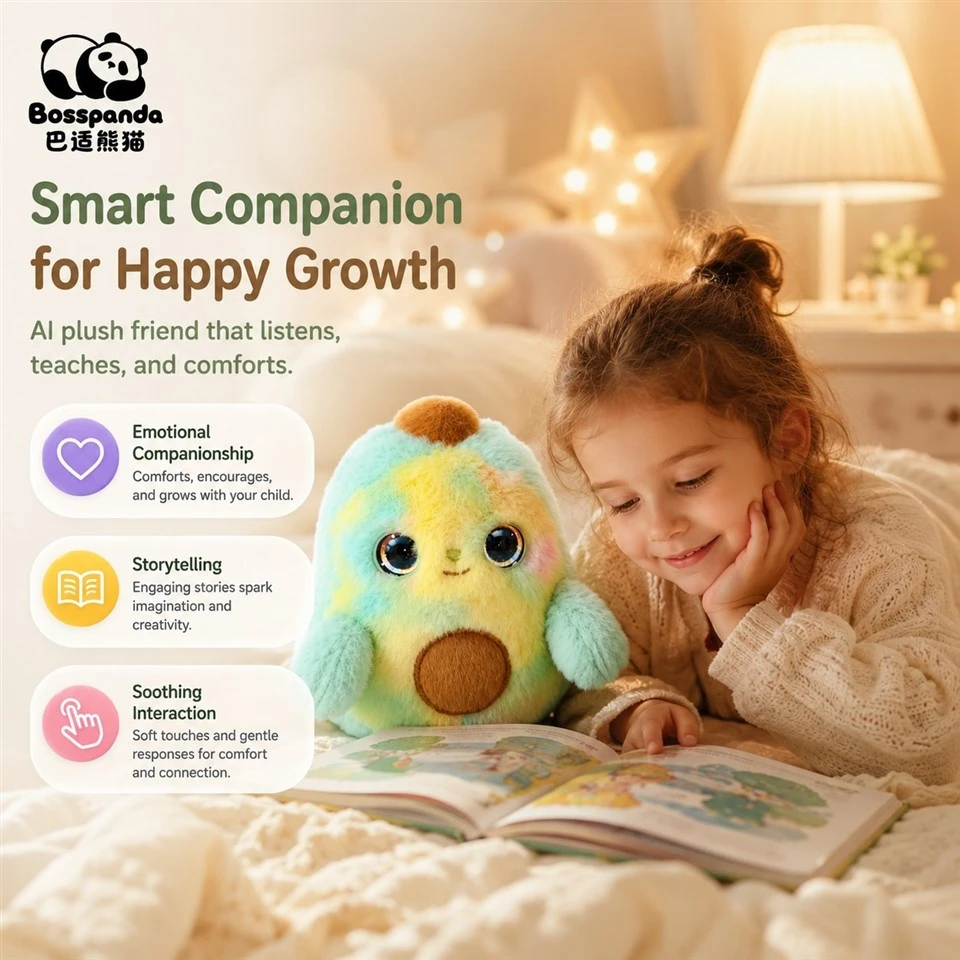
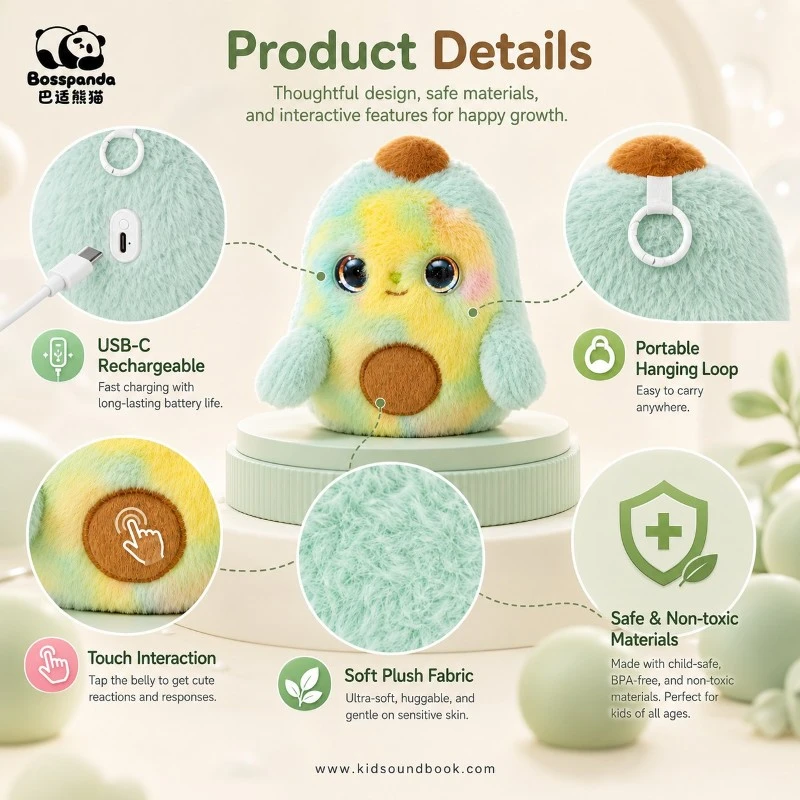
A parent can rename the character, adjust its tone, and choose which topics it is allowed to discuss. This matters because a generic robot voice reads as a product, while a named, personality-driven character reads as a friend. When the toy remembers a child's name, its school, or a recent story, the child comes back to it. That return habit is what protects the rating.
OTA Updates and the Content Calendar
Over-the-air updates turn the toy into a monthly product rather than a launch product. Brands that plan a content calendar - a new story pack every four weeks, a holiday theme in December, a summer adventure in July - give parents a reason to mention the toy again. Without this calendar, the APP sits unused.
Market Data: Connected Toys Are Taking Faster Share
The market numbers make the choice clearer than any marketing pitch. The global AI toy market reached roughly 18.35 billion US dollars in 2025, according to the Business Research Company. Within that space, the dedicated AI plush segment is forecast to grow from about 108 million US dollars in 2025 to over 2.2 billion US dollars by 2034, a compound annual growth rate near 46 percent.
Interactive plush specifically is growing faster than the broader soft toy category. Mordor Intelligence puts the interactive plush segment at a 9.82 percent CAGR through 2031, while online channels - where connected toys shine through short video demos - are expanding at 10.66 percent a year. These buyers are not looking for a one-time gift. They are looking for a product that stays relevant long after the opening video.
The Hidden Cost of a Fixed Decision
The real expense of fixed audio is not the chip. It is the return label. A toy that gets boring in a week triggers returns, negative reviews, and eventual delisting. The brand then pays again to develop the next SKU, repeating the same cycle.
A connected smart toy costs slightly more to launch. The APP layer, the server, and the content team add engineering work. But the same toy can be updated for years, supporting multiple holiday seasons and export markets without a new mold. When you spread that cost over the product's full life, the connected version often costs less per active month.
What Brand Buyers Should Ask the Supplier
Before committing to a private-label run, ask the factory what happens after delivery. 📋
| Question | Why it matters |
|---|---|
| Can the voice library be updated remotely? | Confirms the toy is not frozen at launch |
| How many languages can be added later? | Protects entry into new export markets |
| Can the character personality be edited? | Drives repeat engagement and ratings |
| Is there a parent dashboard for content? | Lets the brand manage content safely |
| How often can new story packs be pushed? | Sets realistic expectations for the content calendar |
| What is the server cost per unit per year? | Prevents hidden operating expenses |
These questions rarely come up in a sample review. They decide whether the product is still selling twelve months later.
A Note on the AI Debate
There is a common belief that buying a stronger model solves every retention problem. This is misleading. A smarter model answers questions better, but it does not give a child a reason to return if the surrounding content is static. Retention is driven by novelty, by personality, and by the sense that the toy has changed since last week. The model is the engine. The content pipeline is the road. An engine on a closed loop will not take the child anywhere new.
The brands winning in this space treat the AI model as one layer and the APP content system as another. They plan updates before they ship the first unit. They do not wait for negative reviews to realize that a toy with no new content has no future.
A toy that stops growing on day four is a toy that stops selling on day thirty. An app connected plush toy keeps growing, keeps talking, and keeps showing up in a child's routine. That is the difference between a SKU that gets delisted and a line that builds a repeat customer base.
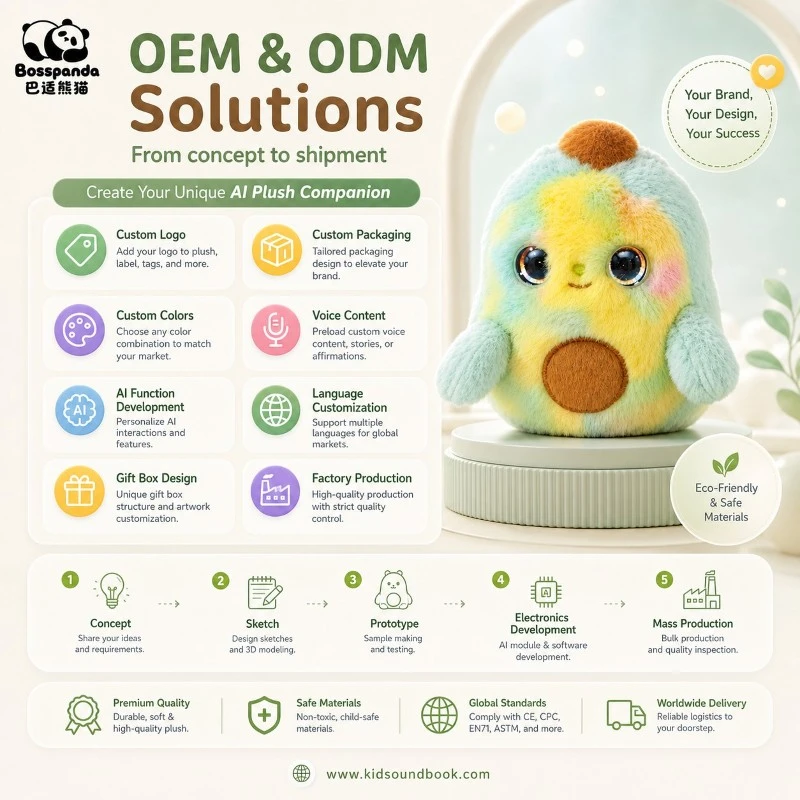
If you are planning a private-label smart plush program and want to see how the APP backend, content pipeline, and export language support work on our production line, we are glad to walk through the details.
Judy
Shenzhen Xinditai Electronic Co., Ltd.
Website: www.kidsoundbook.com
Email: xdt04@dtdianzi.com
WhatsApp: +86 136 0263 5993
Hot Tags: app connected plush toy drives smart companion retention, China, suppliers, manufacturers, factory, customized, wholesale, bulk, quotation, made in China


