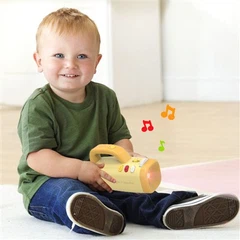

Gone are the days when educational toys were considered a "nice-to-have" niche in the global toy industry. Today, they stand as the backbone of one of the sector's fastest-expanding segments, reshaping how families shop for playtime and how brands define value. According to Fortune Business Insights™, the global educational toys market reached $66.22 billion in 2024, and it's projected to surge to $126.02 billion by 2032-boasting a compound annual growth rate (CAGR) of 8.47%. Meanwhile, Growth Market Reports adds another layer of perspective: its data shows the market hit $62.4 billion in 2024 and will climb to $118.2 billion by 2033, with an 8.1% CAGR. This isn't just a post-pandemic "catch-up" trend; it's a fundamental shift in what consumers, educators, and manufacturers expect from toys-where entertainment and education are no longer separate, but inseparable.

A Global Surge Rooted in Shifting Priorities
The boom in educational toys isn't driven by a single factor-it's the result of overlapping societal, economic, and pedagogical changes that have redefined "play" as a tool for growth.
First, parenting norms have evolved dramatically. Today's caregivers aren't just buying toys to keep kids occupied; they're investing in "outcomes": improved cognitive skills, collaboration, resilience, and even early exposure to STEM (science, technology, engineering, mathematics) concepts. A survey cited in Industry Research's 2025 report found that 64% of parents in developed nations actively prefer educational toys over entertainment-only options, while 68% prioritize STEM learning tools specifically. This shift is amplified by dual-income households-especially in emerging markets-where rising disposable incomes let families splurge on premium products that promise long-term developmental value.
Governments are also fueling demand. The U.S. Department of Education, for example, has allocated $3.2 billion to early childhood development initiatives that emphasize play-based learning, while India has launched government-backed toy manufacturing clusters to boost local production of educational tools. These policies don't just increase access; they validate educational toys as a "necessary" part of childhood, not a luxury.

Regional Dynamics: From North America's Dominance to Asia Pacific's Momentum
The educational toy boom is a global phenomenon, but its impact varies sharply by region-each with unique drivers and opportunities.
North America: The region remains the market leader, capturing 38.09% of global revenue in 2024 (per Fortune Business Insights™). Its strength stems from two key factors: a strong preference for "Made in USA" products (which parents associate with stricter safety standards, such as compliance with ASTM F963, the U.S. toy safety specification) and widespread adoption of smart, STEM-focused toys. In the U.S., 63% of parents consider educational toys "essential" for early development, and 54% of households spend $50–$150 annually on them-reflecting both purchasing power and a culture of investing in children's learning.
Asia Pacific: This is the industry's growth engine. China, already a major global supplier and consumer of educational toys, is seeing demand surge as its middle class expands and prioritizes early education. India, meanwhile, is the fastest-growing market in the region, thanks to e-commerce adoption and government support for local toy production. Even in Indonesia, rising urbanization is driving interest in specialized learning toys that were once hard to access. A notable trend here: 72% of Asia Pacific buyers link educational toys to better STEM skills, according to Industry Research-making STEM kits and coding games particularly popular.
Europe: The region's focus is on "conscious play." In the U.K., post-COVID, eco-conscious parenting has boosted demand for green, sustainable educational toys, while Germany leads in premium options-especially musical toys and puzzles known for their durability and eco-friendly materials. Over 55% of European toy retailers report that educational toys are their top growth category, a sign that the region's emphasis on holistic development is translating to sales.

What's Selling Now: Purpose-Driven Playtime
Not all educational toys are created equal-and today's consumers are discerning about which ones make it into their carts. The most in-demand categories reflect a desire for hands-on, interactive, and adaptable experiences:
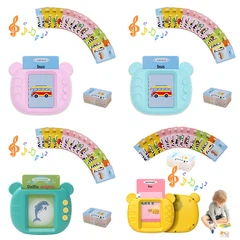
Motor Skills & Foundational Learning Toys: These dominated the market in 2024 (per Fortune Business Insights™), as parents prioritize toys that build hand-eye coordination, problem-solving, and early literacy. Think shape-sorters for toddlers or phonics-based games for preschoolers-products that turn basic skills into play.
STEM & Tech-Infused Kits: Robotics sets, coding games, and science experiment kits are growing at a staggering pace, with a projected CAGR of 8.9% (per DataHorizzon Research). The rise of "maker culture" and a push for early tech literacy mean these toys aren't just for older kids-even 3–5-year-olds are getting introduced to simple coding concepts via colorful, interactive tools.
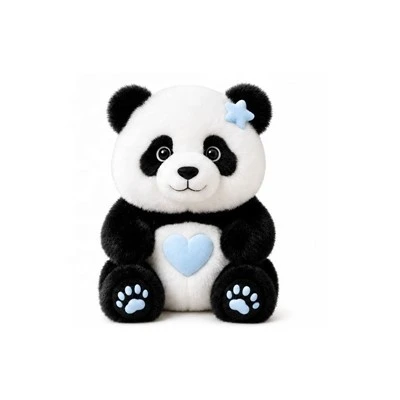
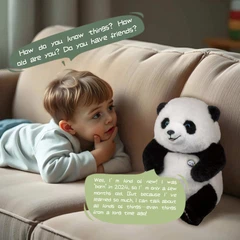
AI-Powered Interactive Toys: A standout trend from 2024–2025 is the rise of AI toys, which blend education with emotional (companionship). In China alone, the AI toy market hit 24.6 billion yuan ($3.4 billion) in 2024 and is expected to reach 29 billion yuan ($4 billion) in 2025 (per CCTV News). These toys-from AI robots that teach languages to interactive plushies that adapt to a child's mood-aren't just for kids, either; they're gaining traction with adults seeking "emotional value," turning educational play into a cross-generational trend.
Sustainable & Inclusive Options: Consumers are voting with their wallets for eco-friendly materials-28% of new educational toy launches in 2024 were sustainable (per DataHorizzon Research). Gender-neutral designs have also skyrocketed, with a 56% increase over three years, as families reject traditional "boy" or "girl" toys in favor of products that encourage all interests.

Tech as a Catalyst: Not Just Gimmicks, But Meaningful Connection
Technology is the single biggest driver of innovation in educational toys-but parents aren't impressed by flashy features alone. They want tech that serves a purpose.
AR (augmented reality) toys, for example, let kids "build" 3D structures on screen while using physical blocks, blending tactile play with digital learning. App-integrated STEM kits track progress and adapt challenges to a child's skill level, turning independent play into personalized education. The key here is "blended learning": toys that mirror how kids already interact with the world-moving seamlessly between screens and physical space.
But trust is critical. Parents are willing to pay a premium for tech that's safe and functional, not just trendy. Concerns about data privacy (especially for AI toys that collect children's voices or behaviors) have led regulators to act: in 2025, China's Ministry of Industry and Information Technology announced plans to develop standards for AI toy safety, while the U.S. continues to enforce strict data protection laws for children's products. The winners in this space will be brands that embed "meaningful tech"-not just bells and whistles-into their toys, while prioritizing transparency around safety and data.
Hurdles to Overcome: Competition, Costs, and Compliance
For all its growth, the educational toy market faces significant challenges that could slow momentum.
Fierce Competition: Legacy brands like LEGO, Mattel, and Hasbro are doubling down on educational lines, while smaller startups are innovating with niche products (e.g., toys for kids with special needs). This saturation means differentiation is harder than ever-brands must either offer unique tech, cultural relevance, or hyper-specific developmental value to stand out.
Cost and Durability Concerns: Industry Research found that 44% of parents cite "high prices" as a barrier to buying educational toys, while 37% worry about limited durability. With manufacturing still concentrated in China (Asia Pacific holds 67% of global production capacity, per DataHorizzon), brands also face geopolitical risks, freight delays, and rising labor costs-all of which can push prices higher.
Regulatory Complexity: As toys become smarter, compliance gets trickier. Brands must navigate not just physical safety standards (like non-toxic materials) but also digital rules (data privacy, age-appropriate content). For small companies, especially those selling globally, meeting these standards can be costly and time-consuming.
Homogenization: Many AI toys still rely on the same third-party tech providers, leading to "cookie-cutter" experiences. Parents are starting to notice-surveys show frustration with products that promise "personalization" but deliver generic interactions.

What This Means for Toymakers: Innovate, Adapt, and Connect
The message for the industry is clear: to thrive in the educational toy boom, brands must move beyond "checking the education box" and embrace a holistic, consumer-centric mindset. Here's how:
Localize for Emerging Markets: Don't just export Western products to Asia or Latin America-design toys that reflect local cultures and curricula. For example, an educational toy in India might focus on regional languages or traditional math concepts, while one in Brazil could tie into local wildlife or art.
Build "Temperature" into Tech: AI and AR should enhance, not replace, meaningful play. Invest in natural, emotional interactions-like AI toys that remember a child's favorite games or adapt to their learning style-instead of just adding screens for the sake of it. Partner with educators to align tech features with real classroom goals (e.g., teaching fractions via a coding game).
Prioritize Sustainability and Accessibility: Use eco-friendly materials to tap into the 28% of consumers seeking sustainable options, and offer a range of price points to address the "high cost" concern. Consider subscription models (e.g., monthly STEM kit deliveries) to make premium products more affordable.
Master Omnichannel Retail: Online sales already capture 45% of total toy sales (per DataHorizzon), but parents still want to touch and test educational toys in stores. Build a seamless experience: let customers buy online, pick up in-store, or return products easily. For DTC (direct-to-consumer) brands, use social media to showcase how toys work-videos of kids using STEM kits, for example, can build trust better than text descriptions.
Extend the Customer Lifecycle: Educational toys don't have to be limited to toddlers. Create "growth paths" of products: a 3-year-old might start with a basic shape-sorter, move to a coding plushie at 5, and a robotics kit at 8. This not only boosts customer loyalty but also turns one-time buyers into long-term advocates.
The Future: Play with Purpose
The educational toy market isn't just growing-it's redefining the toy industry itself. For decades, toys were about entertainment; now, they're about empowerment. Today's children are curious, tech-savvy, and eager to learn-and toys that meet them where they are will continue to win.
With the market on track to exceed $100 billion in the next decade, the stakes are high-but so are the rewards. For toymakers willing to innovate with purpose, prioritize safety and sustainability, and listen to what families really need, the educational toy boom isn't just a trend-it's a lifelong opportunity to shape how kids learn, play, and grow.
This article draws on insights from Fortune Business Insights™, Growth Market Reports, Industry Research, and CCTV News' 2025 analysis of the global educational toy sector.