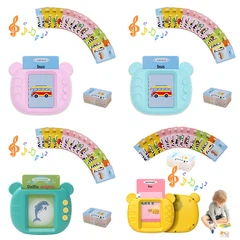
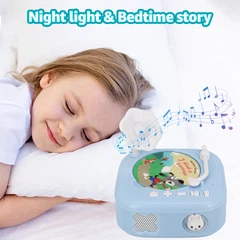
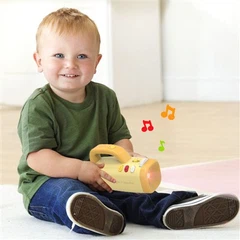
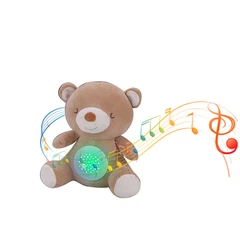


If you're manufacturing or sourcing electronic toys like interactive learning devices, remote-control cars, or Bluetooth-enabled plush animals for the European market, you've likely run into the maze of CE markings and safety directives. Many exporters discover too late that meeting one requirement doesn't automatically cover the other. Understanding the real differences between CE-EMC and EC-TOY certifications isn't just a regulatory checkbox-it's the key to avoiding costly recalls, clearing customs smoothly, and building trust with major retailers.
This comprehensive guide breaks down exactly what each certification covers, why electronic toys almost always need both, and how leading manufacturers turn compliance into a competitive edge. Whether you're a product developer in Shenzhen, a U.S. importer, or a brand manager planning your next EU launch, these insights will help you navigate the process with confidence.
What Is CE-EMC Certification and Why Does It Matter for Toys?
CE-EMC stands for the Electromagnetic Compatibility requirements under the EMC Directive 2014/30/EU. In simple terms, it ensures that your electronic toy doesn't create electromagnetic interference that could mess with other devices, and that it can withstand interference from things like Wi-Fi routers, cell phones, or household appliances without glitching.
Think about a child playing with a remote-control vehicle in a living room full of smart home gadgets. The toy needs to operate reliably without causing static on the TV or disrupting a baby monitor. At the same time, it shouldn't suddenly stop working because someone turned on a microwave nearby. EMC compliance covers both emission (how much noise the toy puts out) and immunity (how well it handles incoming noise).
For electronic toys, key standards often include EN 55032 for emissions and various parts of the EN 61000-4 series for immunity testing, such as electrostatic discharge (ESD). Manufacturers who get this right early often optimize PCB layouts and component selection during the R&D phase to minimize problems later. This proactive approach leads to higher first-pass success rates in testing labs and fewer redesigns.
EMC isn't just about performance-it's about coexistence in our increasingly connected world. Non-compliant products risk market withdrawal or RAPEX alerts, which can damage a brand's reputation across Europe.


Understanding EC-TOY Certification: The Full Scope of Child Safety
EC-TOY refers to compliance with the Toy Safety Directive 2009/48/EC, often called the EC Toy Directive. This is the comprehensive safety framework that applies to all toys intended for children under 14 years old. Unlike EMC, which focuses narrowly on electromagnetic behavior, the Toy Safety Directive covers a broad range of physical, mechanical, chemical, and electrical hazards.
It incorporates the EN 71 series of standards:
EN 71-1 for mechanical and physical properties (small parts, sharp edges, durability).
EN 71-2 for flammability.
EN 71-3 for migration of certain elements, setting strict limits on 19 heavy metals like lead, cadmium, and mercury.
Additional requirements address allergens (up to 55 banned or restricted substances), chemical safety under REACH, and electrical safety for electronic toys through EN IEC 62115. This standard specifically tackles risks like overheating, electric shock, or fire in battery-operated or mains-connected toys.
The directive requires a thorough safety assessment by the manufacturer, technical documentation, and a Declaration of Conformity (DoC). For higher-risk toys, involvement of a Notified Body (an EU-approved third-party lab) is often necessary. Importers and distributors must verify this documentation before placing products on the market-it's not optional.
Key Differences Between CE-EMC and EC-TOY: A Practical Comparison
While both fall under the CE marking umbrella, their focuses, testing methods, and business implications differ significantly.
Scope and Legal Basis: CE-EMC is rooted in the EMC Directive and targets only electromagnetic performance. EC-TOY comes from the Toy Safety Directive and encompasses everything from choking hazards to chemical exposure and electrical safety. An electronic toy must satisfy both directives, plus others like RoHS for hazardous substances.
Testing Requirements: EMC testing involves lab measurements of radiated and conducted emissions, immunity to surges, voltage dips, and ESD. Toy safety testing is more hands-on and child-focused: drop tests, torque tests, small parts cylinders, chemical migration analysis, and electrical safety checks under EN 62115.
Who It Applies To: Virtually all electronic toys need EMC. All toys for kids under 14 need Toy Safety compliance. A simple wooden block might skip EMC but still needs full EN 71 testing. A talking robot with lights and sounds needs the full package.
Business Impact: Failing EMC might mean your toy interferes with other electronics, leading to complaints or returns. Failing Toy Safety can trigger safety recalls, customs blocks, or legal liability if a child is injured. Major retailers often demand proof of both before even considering a supplier.
Electronic toys like those with wireless features typically reference EN 55032 / EN 61000-4 for EMC and the full EN 71-1/2/3 plus EN IEC 62115 for Toy Safety. Meeting both demonstrates a holistic approach to quality.


The Strategic Value of Dual Compliance for Exporters
Securing both certifications delivers clear business advantages beyond simply checking regulatory boxes. In 2023, a notable portion of RAPEX notifications (the EU's rapid alert system for dangerous products) related to non-compliance issues. Products that sail through testing avoid these costly disruptions.
Strong EMC performance reduces field failures and customer complaints, protecting your warranty costs and brand reputation. Full Toy Safety compliance, backed by proper documentation and Notified Body involvement where required, builds trust with buyers like large supermarket chains and specialty toy stores. Suppliers who consistently deliver compliant products often become preferred partners, gaining repeat business and easier access to new markets.
Many manufacturers also report operational efficiencies. Integrating compliance thinking into early design-such as selecting low-EMI components or child-safe materials-cuts down on iteration cycles and testing expenses over time.
How Shenzhen Manufacturers Excel in Dual Certification
Shenzhen has become a global hub for electronic toys partly because of its robust ecosystem for compliance testing and manufacturing. Local access to accredited labs like SGS and Bureau Veritas can speed up the process significantly compared to shipping prototypes overseas. This proximity allows for faster design tweaks and retesting if needed.
Experienced factories maintain REACH-compliant material databases, conduct in-house pre-screening for EMC issues, and work routinely with EU Notified Bodies. This infrastructure supports quicker turnaround-some report certifying dozens of new products within tight timelines while keeping costs competitive.
Companies with strong track records, such as zero RAPEX notifications over several years and high audit pass rates, demonstrate that compliance can be built into the culture rather than treated as an afterthought. Certifications like ISO 9001 and ISO 14001 further signal professional management of quality and environmental responsibilities.
Practical Procurement Checklist for Buyers and Importers
When evaluating suppliers for electronic toys destined for Europe, dig deeper than just asking for a CE mark. A legitimate CE mark should be supported by:
A Declaration of Conformity (DoC) referencing the Toy Safety Directive and relevant harmonized standards, ideally issued or verified by an EU Notified Body.
Full technical files including test reports for EN 71 series, EN IEC 62115, and EMC standards.
Evidence of chemical traceability for SCIP database obligations ( Substances of Concern In articles, as such or in complex objects).
Clear product identification, risk assessments, and labeling that meets EU requirements.
Request to see sample documentation and consider third-party verification for high-volume orders. Reliable partners will gladly walk you through their process and provide references from established clients.
Beyond Compliance: Turning Regulations into Market Advantages
In today's competitive toy industry, certifications are more than legal necessities-they're powerful marketing tools. Parents and retailers increasingly prioritize safety and reliability. Highlighting dual compliance in product listings, packaging, and sales materials can differentiate your offerings.
Forward-thinking manufacturers embed compliance into their entire workflow, from material selection and design reviews to production controls and post-market surveillance. This integrated approach not only minimizes risks but also fosters innovation within safe boundaries, such as developing smarter interactive features that still meet strict EMC and safety limits.
As the EU continues to refine its regulations (with updates to chemical restrictions and new considerations for digital elements in toys), staying ahead of requirements becomes even more valuable. Suppliers who invest in compliance expertise position themselves as long-term partners rather than one-off vendors.
Making Informed Decisions for EU Market Success
Navigating CE-EMC and EC-TOY requirements doesn't have to be overwhelming. By understanding that EMC focuses on electromagnetic harmony while Toy Safety delivers comprehensive child protection, you can approach product development and sourcing more strategically.
Electronic toys sit at the intersection of fun, technology, and stringent safety expectations. Meeting both sets of requirements ensures your products can reach eager consumers across Europe without regulatory hiccups. Whether you're refining an existing line or launching something entirely new, prioritizing thorough compliance from day one pays dividends in smoother market entry, fewer headaches, and stronger customer loyalty.
The European toy market rewards those who take safety and performance seriously. With the right knowledge, processes, and manufacturing partners, dual certification becomes less of a barrier and more of a foundation for sustainable success.