
The Roots of a Modern Classic: Blending Nostalgia with Cutting-Edge Learning
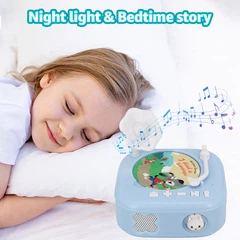
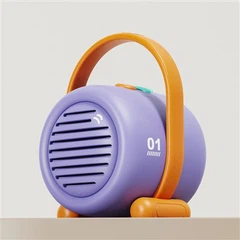
Story phonograph toys draw inspiration from those classic record players your grandparents might have used. Picture a sturdy little device with a retro look-maybe a spinning turntable-style top, warm wood tones or bright colors, and a speaker that delivers clear, engaging audio. But don't let the vintage vibe fool you. Today's versions pack serious technology under the hood.
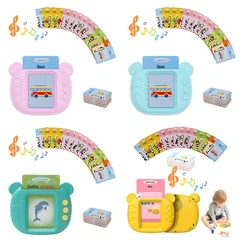
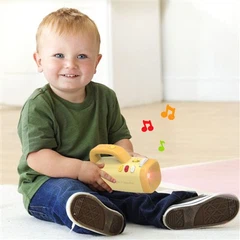
These toys go way beyond playing simple lullabies. They're designed as interactive learning companions for toddlers and preschoolers, typically ages 2 to 8. Kids can pop in special cards or figures loaded with stories, songs, facts about animals, or lessons on numbers and letters. The device recognizes them automatically and starts the right content. It's like magic for little hands, encouraging active participation instead of passive watching.
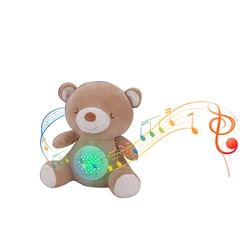
Parents love this because it supports key developmental areas. Listening to stories builds language skills, vocabulary, and comprehension. The hands-on element with cards improves fine motor skills and focus. And the emotional connection-many toys feature warm voices, sound effects, and even gentle music-helps kids feel understood and entertained during quiet time or bedtime routines. In a busy household, having a reliable "storytime buddy" that doesn't need constant adult supervision is a game-changer.
Market Momentum: Why This Category Is Surging Right Now
The broader educational toy market is booming, with projections showing strong double-digit growth in the coming years as families prioritize learning through play. Story phonograph toys fit perfectly into this trend, especially the shift toward screen-free options that still feel high-tech.
One big driver is parental concern over screen addiction. Doctors and child development experts often recommend limiting digital device time for young kids, yet parents still want tools that educate and engage. These phonograph-style toys deliver audio-rich experiences that promote imagination and independence. No glowing screens means better sleep, more creativity, and real-world interaction. Families report kids replaying favorite stories over and over, acting them out, or drawing pictures inspired by what they hear.
Another factor is the rise of personalized and smart features. Basic models use simple buttons or cards, but newer ones incorporate NFC (Near Field Communication) or RFID technology. Just place a card on the device, and it instantly knows what to play-no frustrating menus or apps required. This tactile interaction is ideal for pre-readers and keeps things intuitive. Brands are also adding multilingual support, making these toys great for bilingual households or international markets.
From a business side, the customization options are fueling growth. Toy companies and retailers can work with manufacturers for custom designs, branded packaging, unique content libraries, and even certifications for different countries. This flexibility helps small brands stand out and larger ones scale quickly. Whether it's a preschool curriculum tie-in or a special holiday edition, the barriers to entry are lower than ever for innovative products.


How Technology Makes the Magic Happen
At their core, these toys combine reliable audio hardware with smart recognition systems. The phonograph aesthetic often includes a prominent "record" area where cards or tokens trigger playback. Inside, you'll find quality speakers, long battery life, and storage for dozens or hundreds of audio files.
NFC and RFID take it to the next level. Each card has a unique tag that the toy reads wirelessly when placed nearby. This setup is durable for kids' rough play and doesn't rely on Wi-Fi or Bluetooth pairing hassles. Some advanced models explore AI elements, like voice recognition for simple responses or emotion-aware features that adjust storytelling based on input. Imagine a toy that senses excitement in a child's voice and picks a more energetic tale.
Content is king here. Manufacturers build rich ecosystems with expandable libraries-fairy tales, educational facts, songs in multiple languages, and even user-recorded messages from parents. This turns the toy into a lifelong companion that grows with the child. For bedtime, calming stories help wind down; during the day, interactive quizzes or sound games build confidence and curiosity.
Safety and durability matter too. These toys use child-friendly materials, rounded edges, and volume limits. Many meet strict international standards for toys, giving parents peace of mind when buying for gifts or everyday use.
Real-World Benefits for Kids, Parents, and Educators
Let's talk impact. For children, consistent exposure to high-quality audio stories supports brain development in ways screens often can't match. Research shows that interactive listening enhances attention spans, empathy (through character stories), and early literacy. Kids learn to visualize scenes in their minds, a skill that translates to better reading later on.
Parents appreciate the screen-free angle and the emotional companionship. Many share stories online about how these toys help with separation anxiety, language delays, or just providing a calm activity during travel or chores. Grandparents love them too-they're simple enough for older adults to operate when babysitting.
In classrooms and preschools, these devices fit into group activities or quiet corners. Teachers can use themed card sets aligned with lesson plans, fostering social play when kids share stories. The portability makes them great for home-school connections or daycare settings.


Challenges and Opportunities in a Competitive Space
No trend is without hurdles. Competition is heating up as more brands enter the audio toy category. Standing out requires strong content partnerships, appealing designs, and reliable tech. Battery life, card durability, and content freshness are common pain points parents mention in reviews.
Pricing also plays a role. Entry-level models are affordable, but premium ones with AI or large libraries cost more. Brands need to balance features with value to appeal to different income levels. Supply chain and manufacturing expertise-especially for ODM/OEM-help keep costs down while maintaining quality.
On the flip side, opportunities abound. The global push for early childhood education, combined with rising disposable incomes in emerging markets, creates huge potential. Export-focused companies are finding success by offering multilingual options and compliant certifications. Content creators can partner with educators or storytellers to build exclusive libraries, creating recurring revenue through expansions.
Sustainability is another growing angle. Eco-friendly materials, recyclable packaging, and energy-efficient designs appeal to modern parents who want toys that align with their values.
The Evolution of Interactive Play
The future for story phonograph toys looks bright. As AI and smart home tech advance, we might see deeper integration-perhaps linking to family calendars for personalized daily stories or connecting with other educational devices. But the core appeal will stay rooted in simplicity and human connection.
Expect more hybrid experiences that maintain the no-screen philosophy while adding subtle enhancements. Voice interaction could let kids "talk back" to characters, boosting engagement. Expanded content ecosystems, including user-generated stories or community libraries, will keep things fresh.
For the toy industry, this category represents a sweet spot: nostalgic enough to feel timeless, innovative enough to excite buyers, and educational enough to satisfy concerned parents. It's part of a larger movement toward purposeful play that nurtures the whole child-mind, body, and emotions.
Why Smart Brands Are Investing Now
Whether you're a parent shopping for your little one, an educator building a classroom toolkit, or a business looking at market trends, story phonograph toys deserve attention. They solve real problems-too much screen time, limited engagement, and the need for meaningful learning-while delivering joy and wonder.
As the educational toy sector continues its strong growth trajectory, products that combine retro appeal with forward-thinking features are positioned to lead. The key is focusing on quality audio, intuitive interaction, and content that truly resonates with families.
In the end, these toys remind us that the best learning often happens through simple, heartfelt moments-like listening to a story that sparks a thousand questions and adventures in a child's mind. That's the real magic behind the phonograph revival, and it's only getting started.