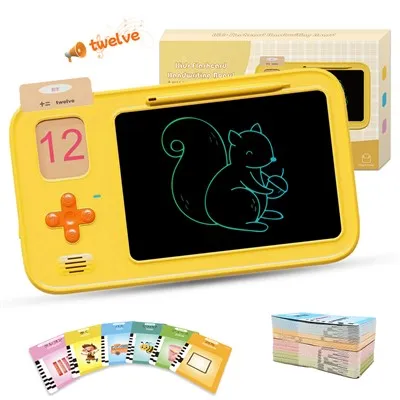
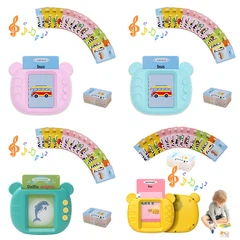
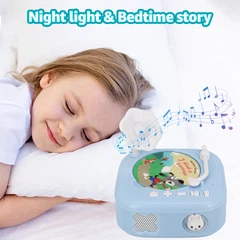
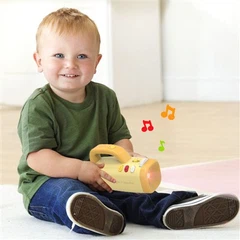
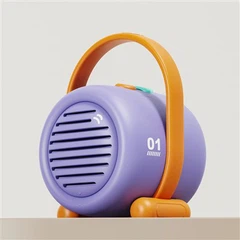
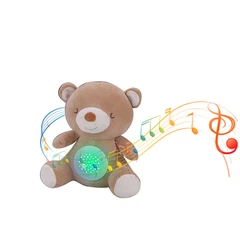
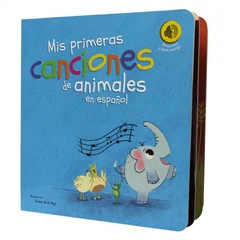
Amid the wave of smart toys in the global market, one category has consistently sold well in European and American households, even becoming a "must-have" parenting item-the children's storytelling device. From the classic Toniebox to the feature-rich Yoto Player, why have these devices successfully captured the European and American markets and maintained such high demand? The answer lies in a deep integration of culture, educational, and consumer trends.
A Deep-Rooted "Bedtime Story" Cultural Tradition
In European and American cultures, parent-child reading (Bedtime Story) is a long-standing and highly valued tradition. Parents use storytelling to build close bonds with their children and foster their interest in reading. Storytellers perfectly complement this tradition. They are not meant to replace parents but rather to supplement and reinforce the practice. When parents are busy or need a break, a storyteller provides consistent companionship, ensuring children can immerse themselves in the world of stories daily, perpetuating the core family value of prioritizing reading.
The Popularity of the "Screen-Free" Educational Philosophy
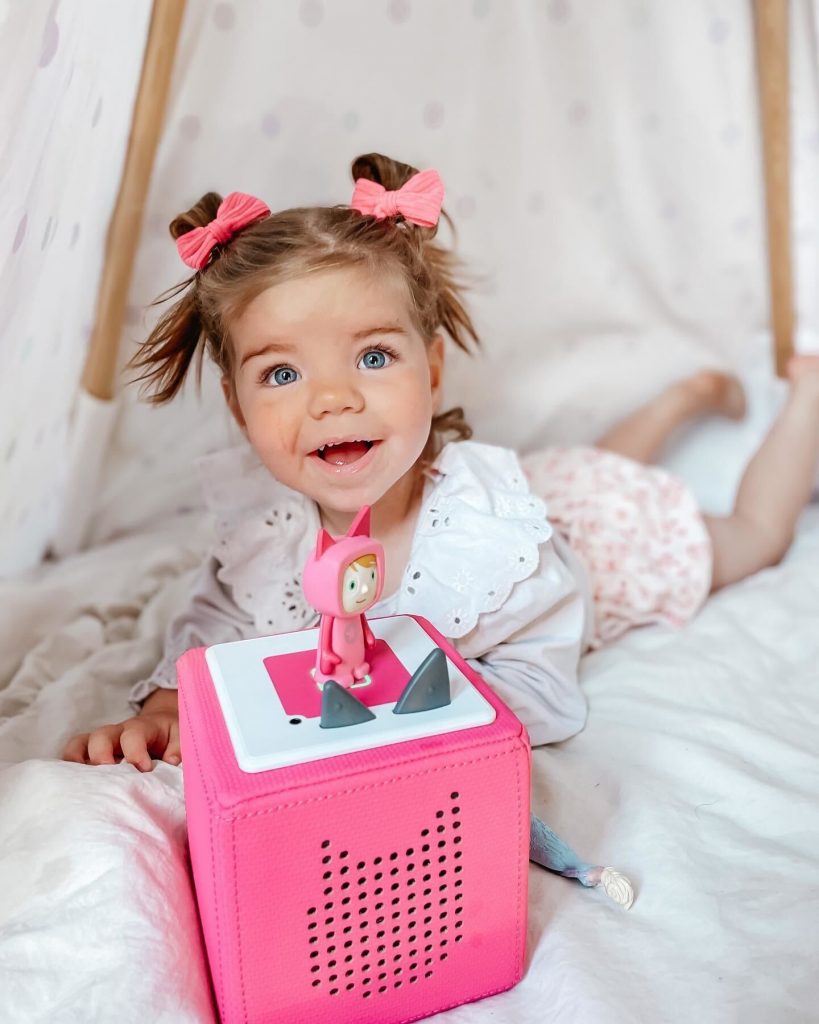
Amid growing concerns about excessive screen time, European and American parents are actively seeking alternatives to reduce children's exposure to electronic screens. Storytellers offer an ideal solution: they provide rich and engaging entertainment and educational content while com avoiding exposure to blue light screens, protecting children's eyesight. This "auditory" approach encourages children to use their imagination to create their own story visuals rather than passively receiving video information, aligning with educational philosophies like Montessori that emphasize active learning.
Strong Willingness to Pay for High-Quality Educational Content
European and American parents generally prioritize investing in early education and are willing to pay for high-quality content that benefits their children's development. Leading storyteller brands have successfully partnered with renowned IPs such as Disney, BBC, and classic picture books to offer vast libraries of premium audio resources. Parents view purchasing a storyteller not just as buying hardware but as gaining access to a safe, beneficial, and enlightening content library, making it a worthwhile investment.
Product Design Aligns with Child Development and Safety Needs
Successful storyteller products are designed with children in mind:
Independent Operation: Physical cards or simple buttons allow even young children to operate the device easily, fostering autonomy and a sense of accomplishment.
Durability and Safety: Devices are typically sturdy and screen-free, with no complex interfaces, minimizing the risk of damage and misuse.
Privacy Protection: Most products operate offline or have strict privacy policies, alleviating parental concerns about data security with smart devices.
Strong Gift Market Demand
In Europe and America, storytellers are seen as the "perfect gift." They are not only popular choices for birthdays and Christmas but also ideal gifts for grandparents and relatives to express affection. With their clear positioning (promoting child development), appealing packaging, and moderate pricing, they perfectly match the consumer psychology of the gift market, continuously driving demand.
Conclusion and Insights
The huge demand for storytellers in the European and American markets is not due to a single factor. It is a phenomenon级 product resulting from the combined effects of cultural traditions, modern educational anxieties, purchasing power, product innovation, and the gift economy. For manufacturers and exporters, understanding the underlying logic is crucial: merely replicating the hardware is far from sufficient. It is essential to focus on building a content ecosystem, designing child-friendly products, and conveying the core value proposition of "reducing screen time and stimulating imagination" to truly capture the pulse of this booming market.