





In the ever-evolving world of children's playthings, the debate between AI-powered toys and traditional ones has captured the attention of parents, educators, and industry experts alike. As technology integrates more deeply into daily life, AI toys promise interactive experiences that adapt to a child's needs, while traditional toys hold onto their timeless appeal through simplicity and imagination-driven play. This discussion isn't just about fun; it's about how these toys shape development, engagement, and even family dynamics. With the toy market expanding rapidly, understanding what draws children to one type over the other can help guide choices that balance innovation with proven benefits.

The Rise of AI Toys in Modern Play
What Makes AI Toys So Appealing
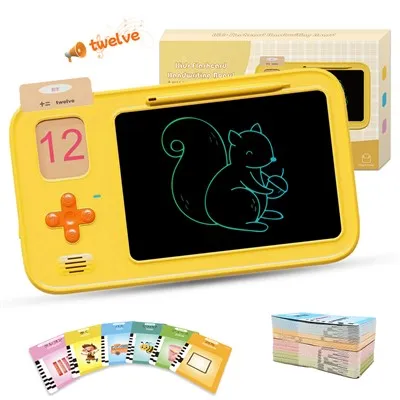
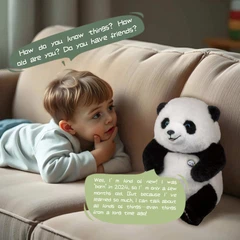
AI toys have surged in popularity by blending education with entertainment in ways that feel magical to young minds. These devices use advanced algorithms to respond to a child's actions, creating personalized play sessions that evolve. For instance, robots equipped with voice recognition can hold conversations, answer questions, and even adjust difficulty levels based on the child's progress. This interactivity fosters a sense of companionship, making play feel more dynamic and responsive than static alternatives. Parents often appreciate how these toys incorporate STEM elements, teaching coding, problem-solving, and basic science through hands-on activities. Market reports indicate that the global smart AI toy sector is projected to grow significantly, driven by increasing parental investment in educational tools that prepare children for a tech-driven future.
Beyond basic interaction, AI toys adapt to individual preferences, enhancing engagement. A child interested in animals might find their toy suggesting related games or facts, turning playtime into a tailored learning adventure. This level of customization is particularly beneficial for children with diverse learning styles, as it can support those who thrive on immediate feedback or repetition. Moreover, in an era where screen time is a concern, some AI toys promote physical activity by encouraging movement-based games or outdoor exploration tied to digital elements. The appeal lies in their ability to grow with the child, offering progressively challenging content that keeps boredom at bay and sustains interest over longer periods.
Challenges and Drawbacks of AI Toys
However, the integration of AI into toys isn't without its hurdles. Privacy concerns top the list, as many devices collect data on children's voices, preferences, and behaviors to refine their responses. This information, if not securely handled, could be vulnerable to breaches, raising alarms among parents about long-term digital safety. Additionally, the high cost of these toys can make them inaccessible to many families, positioning them as premium items rather than everyday staples. There's also the risk of over-reliance on technology, where children might prefer the predictable responses of an AI companion over the unpredictability of human interaction, potentially hindering social skill development.
Critics argue that AI toys, despite their sophistication, can limit creativity by guiding play too rigidly. Unlike open-ended activities, these toys often follow programmed paths, which might stifle a child's ability to invent their own scenarios. Furthermore, the constant connectivity required for updates and features introduces screen-like elements into play, even if subtly, which contradicts efforts to reduce digital exposure in early childhood. Surveys reveal mixed parental attitudes, with some embracing the educational boost while others worry about the emotional implications of machines simulating companionship.

The Enduring Charm of Traditional Toys
Timeless Benefits for Child Development
Traditional toys, such as building blocks, dolls, and board games, continue to hold a special place in children's hearts through their straightforward design and emphasis on imagination. These items encourage free-form play, where a simple wooden block can become a castle, a car, or anything in between, fostering creativity without electronic prompts. Research shows that such toys promote fine motor skills, spatial awareness, and emotional expression, as children manipulate objects physically and narrate their own stories. Parents often favor them for their role in building resilience, as failures-like a collapsing tower-teach problem-solving in a low-stakes environment.
The social aspect of traditional toys cannot be overstated. Games like tag or hide-and-seek, or even shared play with puzzles, naturally draw children together, enhancing communication and empathy. Unlike solitary AI interactions, these experiences build real-world relationships and teach turn-taking and cooperation. Moreover, their durability and lack of batteries make them reliable for spontaneous play, whether indoors or out, aligning with a more unplugged lifestyle that many families seek. In cultures around the world, traditional toys have passed down generational knowledge, from handmade dolls in indigenous communities to classic board games that reinforce family bonds.
Limitations in a Tech-Driven World
Despite their strengths, traditional toys can sometimes feel outdated in a digital age, lacking the novelty that captivates tech-savvy kids. Without interactive feedback, they might not hold attention as long for children accustomed to instant gratification from screens. This can lead to quicker disinterest, especially among older kids who crave more stimulation. Additionally, while they excel in creative play, they may not explicitly teach modern skills like coding or digital literacy, potentially leaving a gap in preparing children for future careers. Production of some traditional toys also raises environmental concerns if not sourced sustainably, though many now use eco-friendly materials to address this.
Comparing Popularity: What the Data Shows
Market Trends and Growth Insights
The toy industry's data paints a nuanced picture of preferences, with AI toys experiencing explosive growth while traditional ones maintain steady demand. The smart AI toy market, valued at around $34.87 billion in 2024, is expected to reach $224.75 billion by 2034, growing at a CAGR of 20.48%. This surge reflects parental desires for toys that blend fun with learning, particularly in educational segments. In contrast, traditional toys, encompassing items like dolls and building sets, form the backbone of the broader market, but their growth is slower, often tied to nostalgic appeal and affordability.
Age plays a crucial role in preferences. Children aged 3 to 8 show increasing interest in AI toys for their exploratory features, while toddlers and preschoolers often gravitate toward traditional options that support basic motor development. Surveys indicate that while AI toys captivate with innovation, traditional ones win for emotional comfort and simplicity. For example, in regions like Asia-Pacific, rapid urbanization boosts AI adoption, yet cultural emphasis on hands-on play keeps traditional toys relevant.
To illustrate these trends, consider the following comparison of market aspects:
| Aspect | AI Toys | Traditional Toys |
|---|---|---|
| Market Value (2025) | $42.15 billion | Part of $100+ billion total toy market |
| Growth Rate (CAGR) | 20.48% (2025-2034) | 5-7% annually |
| Popular Age Groups | 6-12 years (educational focus) | 0-5 years (sensory development) |
| Key Benefits | Personalization, STEM learning | Creativity, social interaction |
| Common Concerns | Privacy, high cost | Limited novelty, potential boredom |
This table highlights how AI toys dominate in growth potential, yet traditional ones excel in accessibility and core developmental benefits.
Insights from Surveys on Children's Preferences
Surveys provide deeper insights into actual preferences, revealing that while children enjoy the novelty of AI toys, they often return to traditional ones for comfort. One study found parents preferring traditional toys for their perceived safety and promotion of independent play, with 70% opting for non-electronic options to limit screen-like exposure. Children, however, report higher initial excitement with AI, but sustained engagement varies. In Japan, for instance, emotional AI toys face resistance due to privacy fears, mirroring global trends where dystopian concerns temper enthusiasm.
Interestingly, hybrid preferences are emerging, where children mix AI elements with traditional play, like using a robot to enhance dollhouse scenarios. This suggests neither type fully dominates; instead, balance is key. Educators note that AI can complement traditional toys by adding layers of interaction without replacing core imaginative play.
Finding the Right Balance for Your Child
Integrating Both for Optimal Development
Ultimately, the question of preference boils down to individual needs, but blending AI and traditional toys offers the best of both worlds. Start with traditional items to build foundational skills, then introduce AI for targeted learning. This approach ensures children develop holistically-gaining creativity from one and tech-savvy from the other. Parents should monitor play to encourage variety, preventing over-dependence on any single type.
Future Outlook on Toy Preferences
As technology advances, AI toys will likely become more seamless and affordable, potentially shifting preferences further. Yet, the enduring value of traditional toys in fostering unplugged joy suggests they won't fade away. By staying informed on trends and prioritizing safety, families can navigate this landscape to support joyful, enriching play.
In conclusion, while AI toys are gaining ground for their innovative edge, traditional ones remain beloved for their simplicity and depth. Children's preferences often lean toward what feels most engaging in the moment, but long-term benefits come from a mix that nurtures both mind and imagination. Whether it's a high-tech robot or a classic wooden puzzle, the true winner is play that sparks curiosity and growth.