






Asia: Still the Dominant Force, But Evolving Rapidly
Asia remains the undisputed heart of global toy production, accounting for the lion's share of output thanks to established infrastructure, skilled labor, and deep supply chains. Yet even here, the picture is far from uniform. Different countries are carving out distinct niches as companies seek alternatives to over-reliance on any single location.
China: The Unrivaled Scale Leader with Integrated Capabilities
China continues to set the benchmark for volume and versatility. The country boasts a fully integrated ecosystem that covers everything from raw material processing and injection molding to electronics assembly, hardware components, and final packaging. World-class ports and logistics networks make shipping efficient and cost-effective on a massive scale.
Factories here can produce virtually any toy category imaginable: plush animals, plastic figures, electronic gadgets, smart connected toys, and STEAM-focused educational products. In recent years, there's been a noticeable pivot toward combining smart technology with learning elements-think interactive robots that teach coding or plush toys that respond to a child's voice and adapt stories in real time. This blend appeals to modern parents who want playtime that also supports development.
The numbers tell a powerful story. In 2024, China's toy output hit around 5.2 million tonnes, representing roughly 50% of global production. Exports reached 3.9 million tonnes (about 71% of the world's toy export volume by weight) and generated $38.8 billion in value (67% share). These figures underscore why China remains the go-to for high-volume orders, seasonal surges, and complex products requiring tight integration of mechanical, electronic, and design elements.
That said, rising labor costs, geopolitical tensions, and brand desires for diversification are prompting many companies to allocate portions of their production elsewhere while keeping core capabilities in China.
India: Rising Star in Eco-Friendly and Educational Toys
India is emerging as a compelling alternative, particularly for brands prioritizing sustainability and handcrafted appeal. Government initiatives like "Make in India" combined with protective import tariffs have nurtured local manufacturers. The country's young, cost-competitive workforce provides another edge in labor-intensive segments.
Indian toy makers excel in wooden toys, handcrafted items, and educational puzzles. Strict safety standards introduced in 2021 have helped elevate quality and build trust with international buyers. These products often emphasize natural materials, cultural motifs, and developmental benefits, resonating with parents seeking screen-free, eco-conscious options.
Export growth has been impressive, reaching $152 million in fiscal 2023–24 with a 10-year compound annual growth rate of 16%. While still smaller in absolute terms than China's, this trajectory signals strong potential, especially as global demand for sustainable toys climbs. Challenges remain around scaling infrastructure and consistent quality control across smaller producers, but the momentum is clear.
Vietnam and Thailand: Prime Beneficiaries of Supply Chain Shifts
Vietnam and Thailand have gained significantly from the de-Chinaification trend. Companies relocating production cite favorable investment policies, improving infrastructure, and proximity to key Asian ports. Vietnam, in particular, has attracted electronics and plastic toy manufacturers looking for lower costs and trade agreements that ease access to Western markets. Thailand offers strengths in manufacturing know-how and a relatively stable business environment.
Both countries are expanding capacity in mid-range plastic toys, plush items, and some educational products. They serve as effective "plus one" strategies-complementing rather than fully replacing Chinese production-for brands mitigating risk. Export volumes are growing steadily, though they still lag far behind China's scale. Labor availability and training remain ongoing focuses as these hubs mature.
Other Southeast Asian Players: Indonesia and Malaysia
Indonesia focuses on lower-to-mid-range plastic and wooden toys, with 2024 production estimated at 0.31 million tonnes (around 3% global share). Its large domestic market and natural resources support cost-effective manufacturing, though quality and safety compliance can vary.
Malaysia specializes in smaller-batch, higher-end educational and smart toys, often involving customization. While overall output is limited, it appeals to brands needing premium, tech-infused products with flexible production runs. These countries add depth to the Asian landscape, allowing buyers to mix and match suppliers based on specific needs.
Europe: Where Craftsmanship and Brand Prestige Shine
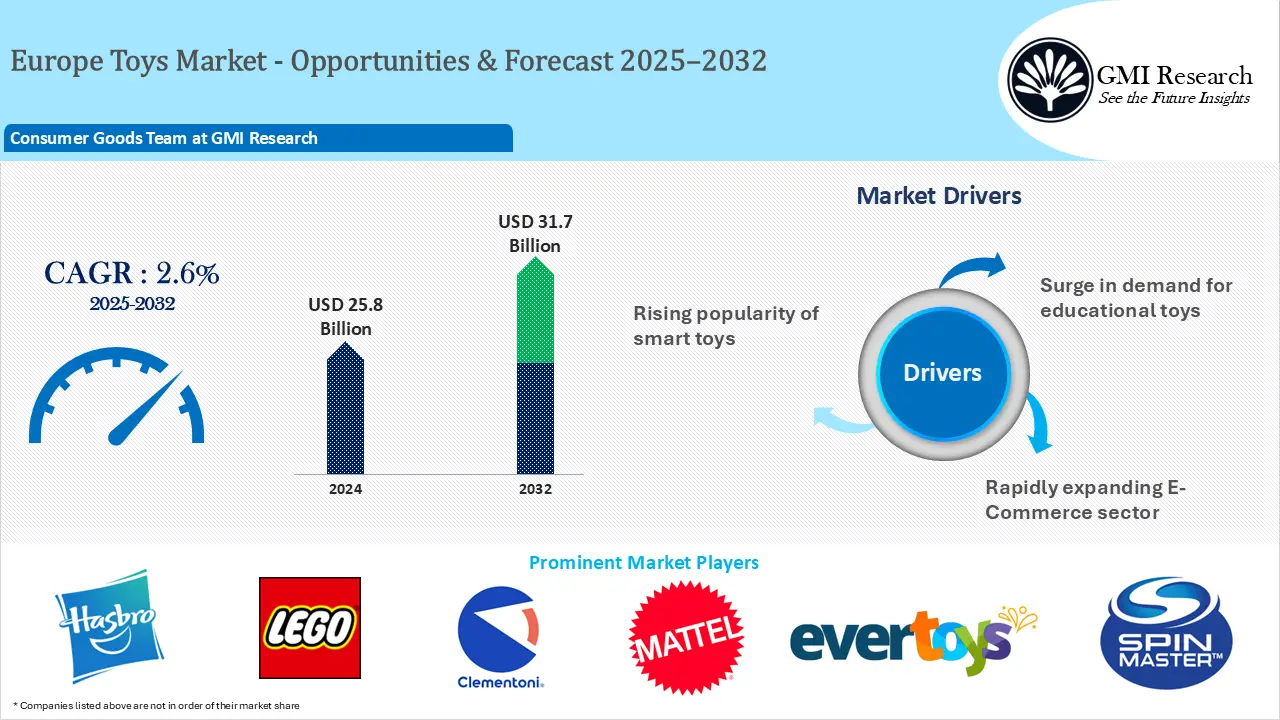
Europe's toy sector emphasizes quality, tradition, and innovation over sheer volume. Manufacturers here often command premium pricing thanks to strong reputations for safety, design, and durability.
Czech Republic: A Traditional Craftsmanship Powerhouse
Located in the heart of Europe, the Czech Republic benefits from excellent logistics connecting Western and Eastern markets. Its robust infrastructure supports efficient distribution. The country is famous for wooden toys, wind-up mechanisms, and detailed model vehicles that double as collectibles for adults as well as playthings for kids.
These products stand out for their mechanical ingenuity and timeless appeal. Export value reached about $3.1 billion (5.5% of global exports), making it a top European player. Many brands source specialty items or limited runs here to differentiate their portfolios with high-perceived-value goods.
Germany and Italy: Masters of Precision and Elegant Design
Germany brings engineering excellence to toys, with a focus on precision mechanics, robust construction, and educational value. Italian manufacturers lean into stylish, design-forward products that blend aesthetics with functionality-think beautifully crafted wooden sets or innovative play systems. Both countries prioritize rigorous safety standards and often target the premium segment where parents are willing to pay more for quality and heritage.
Netherlands: Design and Logistics Expertise
Though domestic manufacturing is more limited, the Netherlands excels as a design and re-export hub. Its major ports and trade infrastructure make it a gateway for European distribution. Dutch companies shine in high-end puzzles, educational toys, and innovative designs that emphasize creativity and learning. Exports show solid growth, with one report noting 0.172 million tonnes (3% share) and a 10.3% annual increase.
The Americas: Innovation, Near-Shoring, and Market Proximity
United States: Focusing on Design, IP, and Premium Positioning
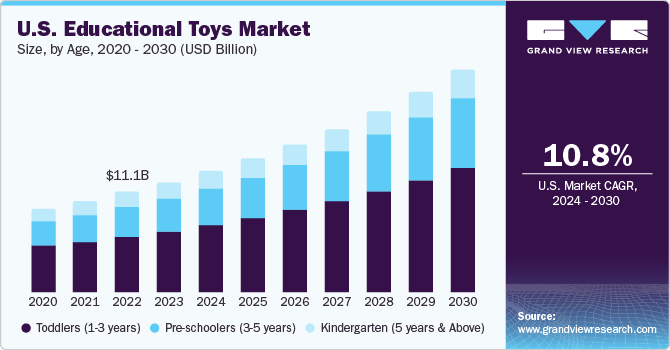
Domestic U.S. production has largely shifted overseas, but American companies lead in research and development, licensing, and marketing. The focus is on creating hit licensed properties (Disney, Marvel, etc.), premium educational toys, and trend-driven items. In 2023, imports hit $22 billion while exports were around $1 billion, highlighting the country's role as a massive consumer market and idea generator rather than volume producer.
Mexico: Gaining from Near-Shoring Advantages
Mexico is increasingly attractive due to USMCA trade benefits, lower labor costs compared to the U.S., and geographic proximity that reduces shipping times and tariffs. Manufacturers here produce plastic toys and battery-powered items tailored for quick response to North American demand. 2024 exports reached $1.2 billion with 6% annual growth, signaling a solid foundation for further expansion.
Strategic Takeaways for Brands and Supply Chains
The toy industry today demands a balanced approach. Over-concentration in one region carries risks, yet full diversification can raise costs and complexity. Successful companies often adopt hybrid models: core high-volume production in China or Southeast Asia, specialty items from Europe, and near-shored capacity in Mexico for the North American market.
Product segmentation is key. Eco-friendly wooden and educational toys appeal to premium, conscious consumers, while smart electronic toys capture tech-savvy families. Geopolitics, tariffs, labor dynamics, and raw material costs all influence decisions. Brands must weigh these against consumer preferences for safety, sustainability, and innovation.
Automation, workforce development, and new market expansion will shape the next phase. Companies investing in compliant, flexible suppliers while maintaining strong design and IP protection are best positioned for success.
The global children's toy sector is more dynamic and opportunity-rich than ever. As supply chains reshape and consumer expectations evolve, the winners will be those who combine cost efficiency with creativity, quality, and adaptability. What emerging hub excites you most, and how are you adjusting your sourcing strategy? The conversation around these shifts is just beginning-and it's one worth joining.